
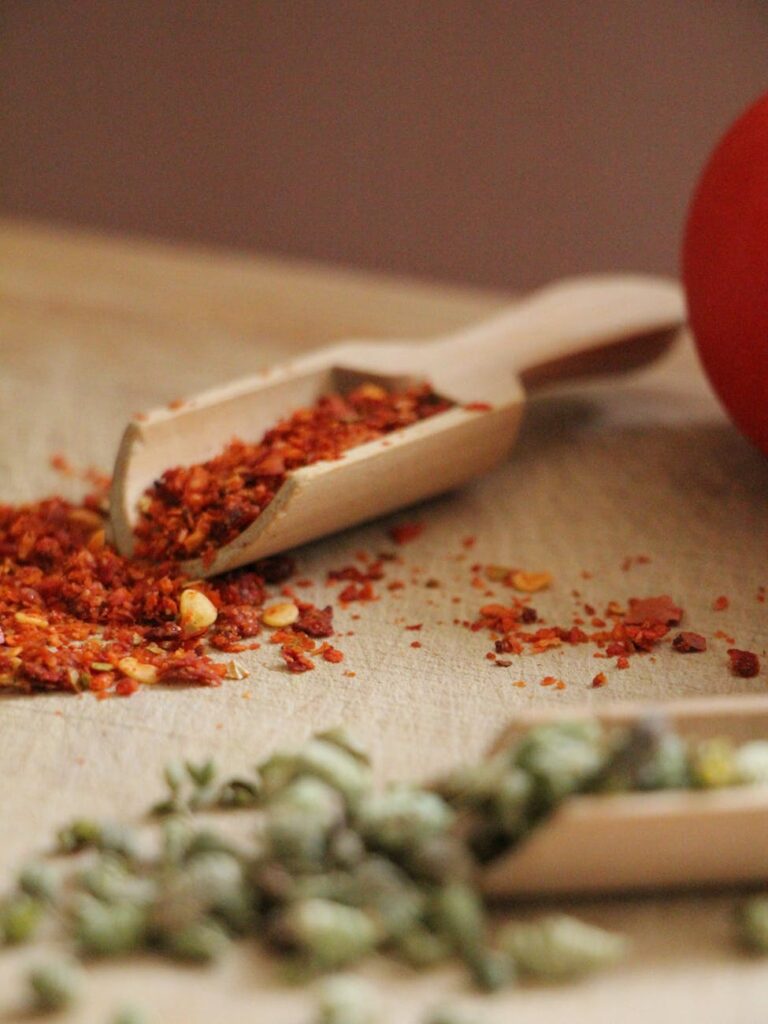
Real vs Fake Dulse: How to Tell
Introduction
Dulse, a red seaweed native to the coasts of the North Atlantic and North Pacific, has garnered attention for both its unique flavor and nutritional benefits. As its popularity increases in culinary and health circles, so too does the risk of encountering counterfeit or inferior products. This article aims to provide an authoritative guide on how to discern real dulse from fake, ensuring that consumers make informed purchasing decisions.
What Is Buying?
In the context of food ingredients like dulse, “buying” refers to the process of selecting and purchasing quality products. This involves evaluating the authenticity, quality, and source of the ingredient. Understanding how to buy dulse effectively is crucial for consumers who wish to incorporate this sea vegetable into their diets, whether for its culinary uses or health benefits.
History and Origins
Dulse, or Palmaria palmata, has been harvested for centuries, especially in regions like Ireland, Iceland, and the coastal areas of Canada. Historically, it was used not only as a food source but also as a seasoning and a natural remedy. The harvesting of dulse began in ancient times, with local communities relying on it for sustenance. Today, dulse remains a staple in various cuisines, valued for its umami flavor profile and versatility.
Production and Processing
Dulse is typically harvested by hand or through sustainable methods that minimize environmental impact. The harvesting season usually spans from late spring to early autumn, when the seaweed is at its peak nutritional value. After harvesting, dulse undergoes several processing steps, including cleaning, drying, and packaging.
1. Cleaning: Freshly harvested dulse is rinsed to remove salt and debris, ensuring a clean final product.
2. Drying: The cleaned dulse is then dried, either through sun-drying or using dehydrators. This step is crucial, as proper drying preserves the color, flavor, and nutritional integrity of the seaweed.
3. Packaging: Finally, dulse is packaged in various forms, including whole leaves, flakes, or powders, depending on consumer preferences.
Understanding the production and processing methods can help buyers assess the quality of the dulse they are purchasing.
Quality and Grading
Quality dulse is characterized by its vibrant color, distinct aroma, and firm texture. Several factors influence the grading of dulse:
- Color: Authentic dulse should have a deep reddish-purple hue. If the product appears dull or overly brown, it may indicate poor quality or improper processing.
- Aroma: Fresh dulse has a briny, ocean-like scent. A lack of aroma or an off-putting smell can be a sign of spoilage or contamination.
- Texture: High-quality dulse should feel firm and slightly chewy. If the dulse is overly brittle or crumbly, it may not be fresh.
- Seasoning: Dulse can be used as a seasoning for soups, stews, and marinades, contributing a unique umami flavor.
- Salads: Dried dulse flakes can be sprinkled on salads for added texture and flavor.
- Snacking: Roasted dulse is often enjoyed as a healthy snack, providing a savory alternative to traditional chips.
- Smoothies: Dulse powder can be added to smoothies for a nutrient boost without altering the flavor significantly.
- Cool, Dry Place: Store dulse in a cool, dry place away from direct sunlight to prevent moisture absorption and degradation.
- Airtight Containers: Once opened, transfer dulse to an airtight container to minimize exposure to air and humidity.
- Refrigeration: While not necessary, refrigerating dulse can extend its shelf life, especially for fresh products.
Buyers should look for certifications or labeling that indicate quality standards, such as organic or sustainably harvested designations.
Buying Considerations
When purchasing dulse, several considerations can help ensure that you choose a high-quality product:
1. Source: Look for dulse sourced from reputable suppliers or regions known for high-quality seaweed. Brands that disclose their sourcing methods are often more trustworthy.
2. Packaging: Opt for dulse sold in sealed, opaque packaging that protects it from light and moisture, which can degrade quality.
3. Ingredients: Check the ingredient list. Pure dulse should contain no additives or preservatives. If the label includes artificial flavors or colors, it may not be genuine.
4. Certifications: Certifications, such as organic labels or sustainable harvesting certifications, can provide added assurance of quality.
5. Price: While cost should not be the only determining factor, extremely low prices may indicate inferior quality or a lack of authenticity.
6. Brand Reputation: Research brands and suppliers. Customer reviews and industry reputation can provide insights into product quality.
Uses and Applications
Dulse is incredibly versatile and can be used in various culinary applications, making it a valuable ingredient for both home cooks and professional chefs. Its applications include:
Understanding these applications can help buyers choose the right form of dulse for their culinary needs.
Storage and Shelf Life
Proper storage is essential to maintain the quality of dulse. Here are some storage tips:
The shelf life of dried dulse can vary but typically lasts up to two years when stored properly. Always check for signs of spoilage, such as off-smells or discoloration, before use.
Common Misconceptions
1. All Seaweeds are the Same: Many people mistakenly believe that all seaweeds offer the same flavor and nutritional benefits. Dulse has a unique profile that differs significantly from others like nori or kelp.
2. Dulse is Always Red: While authentic dulse is usually reddish-purple, some lower-quality products may