
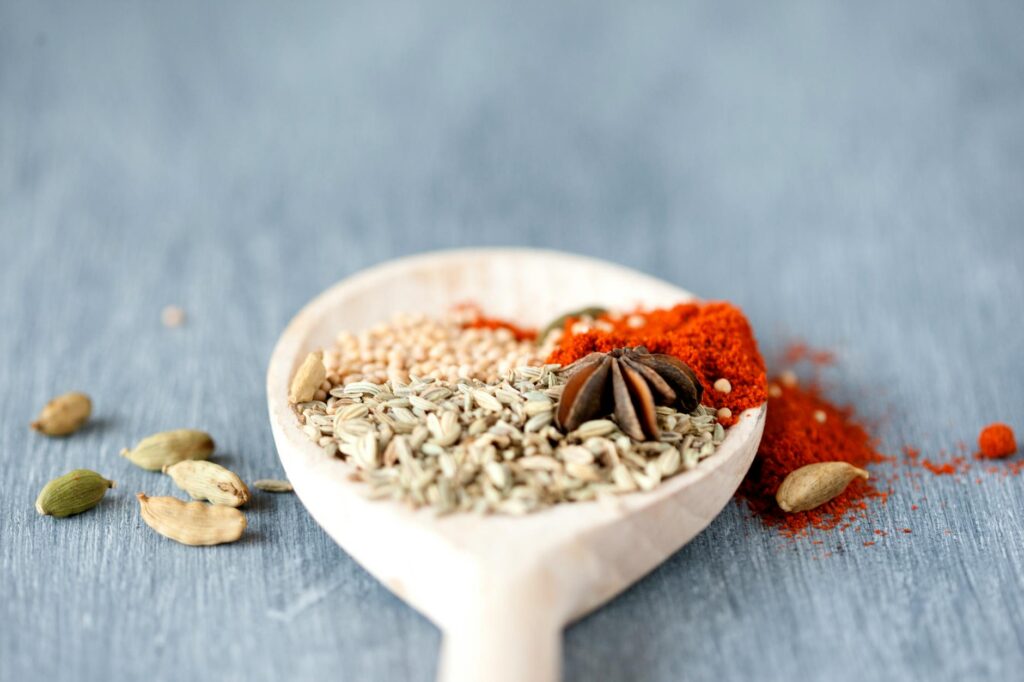
Real vs Fake Fennel Seeds: How to Tell
Introduction
Fennel seeds, known for their distinctive sweet and anise-like flavor, are a staple ingredient in many cuisines across the globe. Used in spice blends, herbal teas, and even as a digestive aid, the demand for fennel seeds has led to a complex marketplace where authenticity is paramount. This article aims to illuminate the differences between genuine and counterfeit fennel seeds, guiding buyers through the nuances of quality, sourcing, and storage.
What Is Buying?
In the context of food ingredients, “buying” refers to the process of purchasing products that meet specific standards of quality, authenticity, and suitability for culinary applications. Understanding this process is crucial for anyone involved in food procurement, from home cooks to professional chefs and retailers. Given the prevalence of adulteration and imitation products in the spice market, being an informed buyer is essential for ensuring that the ingredients you use deliver both flavor and health benefits.
History and Origins
Fennel (Foeniculum vulgare) is a flowering plant in the carrot family, native to the Mediterranean region. Its seeds have been used since ancient times, not only as a culinary spice but also for their purported medicinal properties. The Egyptians, Greeks, and Romans all valued fennel for its flavor and health benefits. Over centuries, fennel seeds spread across the globe, becoming integral to various culinary traditions, from Indian cuisine’s spice blends to Italian sausage.
Production and Processing
Fennel seeds are harvested from the mature flower heads of the fennel plant. The seeds are typically sun-dried to reduce moisture content, which helps in preservation. Quality production involves several key steps:
1. Cultivation: Fennel thrives in well-drained soil and requires a temperate climate. Major producers include India, Iran, and China.
2. Harvesting: The seeds are collected when they turn golden brown, indicating maturity.
3. Processing: Post-harvest, fennel seeds undergo cleaning and sorting to remove impurities and ensure uniformity.
4. Packaging: Proper packaging is essential to protect the seeds from moisture, light, and air, which can degrade quality.
Understanding these steps helps buyers appreciate the authenticity and quality of the fennel seeds they purchase.
Quality and Grading
Fennel seeds are graded based on several factors, including size, color, aroma, and flavor. High-quality fennel seeds are typically:
- Uniform in Size: Consistent size ensures even cooking and flavor release.
- Rich in Aroma: Authentic fennel seeds possess a strong, sweet, and slightly licorice-like aroma, indicative of their freshness.
- Vibrant in Color: The seeds should be a light to dark brown, free from discoloration or blemishes.
- Spice Blends: Fennel seeds are often found in masalas, sausages, and other spice blends, adding depth and flavor.
- Baking: Ground fennel seeds can enhance bread and pastry recipes, contributing a unique aroma and taste.
- Beverages: Fennel seeds can be steeped to create herbal teas, often enjoyed for their digestive properties.
- Garnishing: Whole seeds can be used as a garnish in salads or dishes for a hint of flavor.
- Cool, Dark Place: Store fennel seeds in a cool, dark place away from direct sunlight and heat sources.
- Airtight Container: Use an airtight container to protect the seeds from moisture and air, which can lead to rancidity.
- Shelf Life: When stored properly, whole fennel seeds have a shelf life of up to two years, while ground fennel seeds should be used within six months for optimal flavor.
- Fennel Seeds vs. Anise Seeds: While both have a similar flavor profile, they are distinct seeds from different plants. Anise seeds are from the Pimpinella anisum plant and are generally smaller and more pungent.
- Fake Fennel Seeds: Some sellers may attempt to pass off other seeds, such as caraway or even cheaper spices, as fennel seeds. This is often done to cut costs or increase profit margins.
- Only Whole Seeds Matter: While whole seeds are often preferred for their flavor retention, ground fennel can also provide authenticity if sourced from reputable suppliers.
Quality control measures during production can help ensure that buyers receive authentic fennel seeds. When sourcing, look for reputable suppliers who provide information on the grade and quality of their products.
Buying Considerations
When purchasing fennel seeds, several factors should be taken into account to ensure authenticity and quality:
1. Source: Buy from reputable suppliers who can provide information about the origin of their fennel seeds. Local farmers’ markets or specialty spice shops often carry high-quality products.
2. Packaging: Look for seeds that are packaged in opaque, airtight containers to protect them from light and moisture.
3. Labeling: Check for certifications or labels indicating organic or non-GMO status, which can be indicators of quality.
4. Price: While lower prices can be tempting, they often signal lower quality. Authentic fennel seeds typically fall within a certain price range.
5. Smell Test: If possible, smell the seeds before buying. Authentic fennel has a strong, sweet aroma, while imitation products may lack this characteristic.
6. Visual Inspection: Examine the seeds for uniformity in size and color. Seeds that are overly dark or discolored may indicate poor quality or adulteration.
By considering these factors, buyers can make informed choices and reduce the risk of purchasing fake or low-quality fennel seeds.
Uses and Applications
Fennel seeds are versatile ingredients with various culinary applications. They can be used in:
The versatility of fennel seeds makes them a valuable ingredient in both home kitchens and professional settings.
Storage and Shelf Life
Proper storage is crucial for maintaining the quality and flavor of fennel seeds. Here are some guidelines:
Regularly checking the aroma and visual quality of the seeds can help ensure their freshness over time.
Common Misconceptions
A few misconceptions can cloud the understanding of fennel seeds, leading to confusion among buyers:
Educating oneself on these misconceptions can aid in making informed purchasing decisions.
Frequently Asked Questions
1. How can I tell if my fennel seeds are fresh?
Fresh fennel seeds should have a strong, sweet aroma. If they smell dull or lack fragrance, they may be stale.
2. Are there any signs that fennel seeds are fake?
Fake fennel seeds may appear overly dark, irregular in size, or lack the characteristic aroma. Additionally, they might be mixed with other seeds.
3. Can I buy fennel seeds online?
Yes, many reputable suppliers sell fennel seeds online. Ensure you check reviews and ratings before making a purchase.
4. What should I do if I suspect my fennel seeds are fake?
If you suspect your fennel seeds are fake, consider returning them to the supplier and seeking a reputable source. A smell test can often reveal their authenticity.
5. How do I grind fennel seeds at home?
You can use a spice grinder or a mortar and pestle to grind fennel seeds. Make sure to grind only what you need to maintain freshness.
6. Can fennel seeds lose their flavor over time?
Yes, fennel seeds can lose their flavor and aroma as they age, especially if not stored properly. Always check for freshness before use.
Conclusion
Fennel seeds are a delightful and versatile ingredient that can elevate a wide range of dishes. Understanding the nuances of buying, including how to differentiate between real and fake seeds, is essential for anyone looking to incorporate this flavorful ingredient into their culinary repertoire. By considering quality, sourcing, and proper storage, you can ensure that your fennel seeds deliver the best possible flavor and experience.