
Real vs Fake Fiddlehead Ferns: How to Tell
Introduction
Fiddlehead ferns are a culinary delicacy prized for their unique flavor and delicate texture. These young, coiled fronds of ferns are not only a seasonal treat in various cuisines but also evoke a sense of nostalgia and connection to nature. However, as with many niche ingredients, the market can be rife with confusion, particularly concerning authenticity. This article delves into the nuances of buying fiddlehead ferns, highlighting how to distinguish between genuine and imitation products, while also exploring their history, quality factors, and practical considerations.
What Is Buying?
Buying refers to the process of acquiring goods, in this case, fiddlehead ferns, for personal consumption or commercial distribution. This process involves understanding the source, quality, and authenticity of the product. When it comes to fiddlehead ferns, buyers must be vigilant to ensure they are purchasing true fiddleheads and not other ferns that may be harmful or of inferior quality.
History and Origins
Fiddlehead ferns have a rich history, with indigenous peoples of North America being among the first to recognize their culinary value. These ferns, primarily from the species Matteuccia struthiopteris, commonly known as the ostrich fern, have been harvested for centuries. Traditionally, fiddleheads were consumed in the spring, symbolizing the renewal of life and the transition into warmer seasons.
The culinary use of fiddleheads expanded beyond indigenous cultures with the advent of modern gastronomy. Today, they are celebrated not only in North American cuisine but also in various global culinary traditions, including Asian and European dishes. As their popularity grew, so did the need for sustainable harvesting practices, ensuring that this seasonal ingredient can be enjoyed for generations to come.
Production and Processing
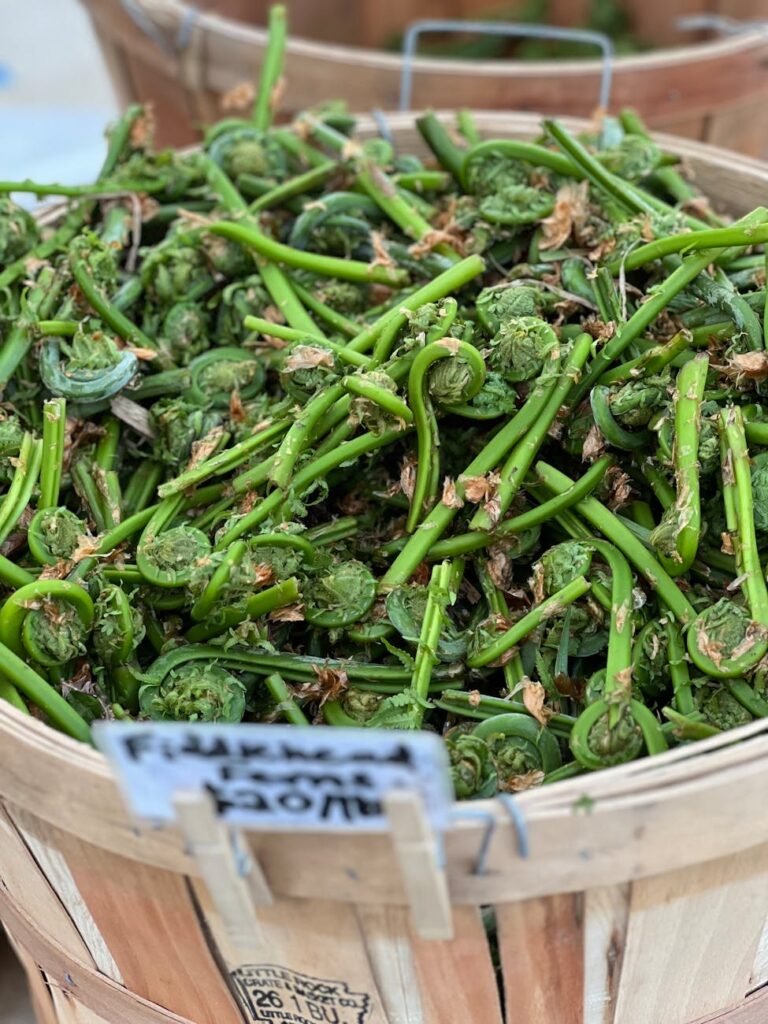
Fiddlehead ferns are typically harvested in the spring, as the young fronds emerge from the ground. The harvesting process requires skill and knowledge, as only specific species are edible. The most sought-after fiddleheads are from the ostrich fern, identified by their distinct coiled shape and a papery, brown covering.
Once harvested, fiddleheads undergo minimal processing. They are usually washed thoroughly to remove any dirt or debris, then quickly blanched to preserve their vibrant green color and tender texture. This processing is crucial, as fiddleheads can carry toxins if not prepared correctly. Proper handling and preparation are essential to ensure the safety and quality of the final product.
Quality and Grading
When purchasing fiddlehead ferns, quality is of paramount importance. Fresh fiddleheads should be bright green and tightly coiled, indicating they are young and tender. A few quality indicators to consider include:
- Size: Smaller fiddleheads are generally more tender and flavorful.
- Color: A vibrant green hue is a sign of freshness. Avoid those that appear dull or yellowed.
- Texture: The fronds should be firm and crisp, not wilted or slimy.
- Aroma: Fresh fiddleheads have a distinctive earthy scent that signals their freshness.
- Sautéing: Quickly sautéing fiddleheads with garlic and olive oil brings out their natural flavor.
- Salads: Blanched fiddleheads can be added to salads for a fresh, crunchy element.
- Soups and Stews: They can be incorporated into soups, adding texture and a distinct flavor.
- Pickling: Some enthusiasts enjoy pickling fiddleheads, which enhances their taste and allows for longer preservation.
- Keep them Dry: Moisture can promote spoilage, so store fiddleheads in a paper bag rather than plastic to allow for ventilation.
- Refrigeration: Place them in the crisper drawer of your refrigerator to maintain freshness.
- Freezing: For longer storage, fiddleheads can be blanched and then frozen. They can retain their flavor and texture for several months when properly frozen.
- The most commonly consumed fiddlehead ferns come from the ostrich fern (Matteuccia struthiopteris). Other species like the bracken fern can be toxic.
- True fiddleheads are tightly coiled and have a distinct brown covering. They should be bright green and firm to the touch.
- It is not recommended to eat fiddleheads raw due to potential toxins. They should be cooked thoroughly before consumption.
- Fiddleheads can be found at farmers’ markets, specialty grocery stores, or online from reputable suppliers during the spring season.
- Rinse them thoroughly to remove dirt, blanch in boiling water for a few minutes, and then sauté or use in your preferred dish.
- If you experience any allergic symptoms after consuming fiddleheads, seek medical attention immediately and avoid eating them in the future.
Some suppliers may grade fiddleheads based on these characteristics, allowing buyers to make informed choices. Understanding these grading systems can help you select the best quality fiddleheads available.
Buying Considerations
When buying fiddlehead ferns, there are several considerations to keep in mind to ensure you are getting genuine, high-quality products:
1. Source: Buy from reputable suppliers or farmers’ markets known for their sustainable practices. Local producers are often more knowledgeable about the harvesting and processing of fiddleheads.
2. Seasonality: Fiddleheads are typically available from late April to early June, depending on the region. Purchasing them outside of this window may result in lower quality or even fake products.
3. Look for Certification: Some sellers may offer certifications that affirm their fiddleheads are sourced from recognized species, such as the ostrich fern. This can provide peace of mind regarding authenticity.
4. Avoid Wild Harvests: While wild-harvested fiddleheads can be delicious, they may also pose risks if harvested from contaminated areas. Always inquire about the source to ensure safety and sustainability.
5. Beware of Imitations: Certain ferns may resemble fiddleheads but are not edible. Familiarize yourself with the appearance of true fiddleheads and be cautious of any that differ significantly.
6. Price: Quality fiddleheads may come at a premium due to their seasonal nature and labor-intensive harvesting methods. If the price seems too low, it may be a sign of inferior quality or imitation products.
Uses and Applications
Fiddlehead ferns are versatile ingredients that can be used in various culinary applications. Their unique flavor profile, often described as a mixture of asparagus and green beans, lends itself well to numerous dishes. Common uses include:
Due to their delicate nature, it is essential to treat fiddleheads with care during preparation to maintain their texture and flavor.
Storage and Shelf Life
Fiddlehead ferns have a relatively short shelf life, primarily due to their perishable nature. When properly harvested, they can last up to a week when stored in the refrigerator. Here are some essential storage tips:
Always inspect fiddleheads before use; any signs of wilting or discoloration indicate they may no longer be fresh.
Common Misconceptions
Several misconceptions surround fiddlehead ferns, particularly concerning their safety and culinary uses. Here are a few clarifications:
1. All Ferns Are Edible: Not all ferns are safe to eat. Some species can be toxic. It is vital to ensure you are purchasing fiddleheads from a trusted source that identifies them as edible.
2. Cooking Eliminates All Toxins: While cooking fiddleheads can reduce their toxicity, they should always be properly prepared and cooked to minimize health risks.
3. Fiddleheads Are Available Year-Round: Fiddleheads are a seasonal ingredient. Availability is typically limited to spring, making them a true delicacy during this period.
4. Fiddleheads Are Only for Gourmet Dishes: While they are often featured in high-end cuisine, fiddlehead ferns can be enjoyed in simple preparations, making them accessible for home cooks.
Frequently Asked Questions
1. What types of ferns are safe to eat?
2. How can I identify fiddlehead ferns?
3. Can I eat fiddleheads raw?
4. Where can I buy fiddlehead ferns?
5. How do I prepare fiddlehead ferns?
6. What should I do if I experience an allergic reaction to fiddleheads?
In conclusion, understanding the nuances of buying fiddlehead ferns can enrich your culinary experience. By being informed about quality, sourcing, and preparation, you can confidently enjoy this seasonal delicacy while supporting sustainable practices in food sourcing.