
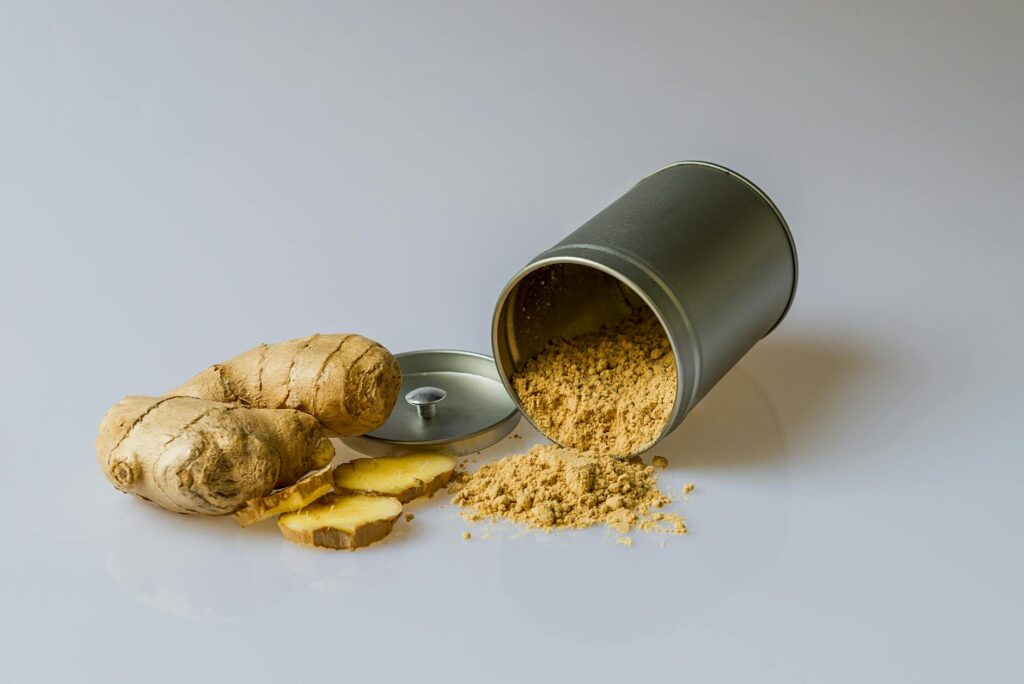
Real vs Fake Ginger: How to Tell
Introduction
Ginger, with its distinctive aroma and spicy-sweet flavor, has garnered immense popularity across global kitchens. This versatile root is not only a culinary staple but also a revered ingredient in traditional medicine. However, as demand increases, so does the prevalence of counterfeit or substandard ginger products. Understanding how to differentiate between real and fake ginger is crucial for consumers who value quality and authenticity in their culinary endeavors. This article delves into the complexities of buying ginger, focusing on its history, production, quality assessments, and practical buying considerations.
What Is Buying?
In the context of food ingredients like ginger, buying refers to the process of selecting and purchasing products that meet specific quality and authenticity standards. This involves evaluating various factors, from the source of the ginger to its appearance, aroma, and taste. For chefs, home cooks, and culinary enthusiasts, making informed buying decisions ensures that the ingredients they use contribute to the overall quality of their dishes.
History and Origins
Ginger (Zingiber officinale) is native to Southeast Asia, where it has been cultivated for thousands of years. Historical records indicate that ginger was highly valued in ancient civilizations, from the Greeks and Romans to the Chinese, for its culinary and medicinal properties. The spice was traded along the Silk Road and became an essential commodity during the Age of Exploration.
Today, ginger is grown in various tropical and subtropical regions, with countries like India, China, and Indonesia being the largest producers. Its rich history and diverse applications have made it a beloved ingredient worldwide.
Production and Processing
The production of ginger involves several stages, from cultivation to harvesting. Ginger thrives in well-drained, fertile soil and requires a warm climate with ample rainfall. Once harvested, the ginger rhizomes undergo processing that may include washing, peeling, and drying, depending on the final product’s intended use.
There are two main types of ginger available in the market:
1. Fresh Ginger: Typically sold in its whole, unprocessed form, fresh ginger is characterized by its firm texture and pungent aroma.
2. Dried Ginger: Often found in powdered or sliced forms, dried ginger retains its flavor but loses some of its moisture content. It is essential for various spice blends and is commonly used in baking and cooking.
Understanding the production and processing methods can help consumers identify authentic ginger and avoid lower-quality alternatives.
Quality and Grading
Quality and grading play a pivotal role in the buying process. Ginger is generally assessed based on its appearance, aroma, and flavor. Here are the primary factors that determine its quality:
- Appearance: Fresh ginger should have a smooth skin, free from wrinkles or blemishes. The color should range from pale yellow to light brown, depending on the variety. On the other hand, dried ginger should exhibit a deep, rich color without signs of mold or spoilage.
- Aroma: Real ginger has a strong, spicy, and aromatic scent. If the aroma is weak or absent, the ginger may be stale or of low quality.
- Flavor: Authentic ginger has a sharp, peppery taste with a hint of sweetness. Fake or low-quality ginger may lack these characteristics.
- Fresh Ginger: Store unpeeled fresh ginger in a cool, dry place, or refrigerate it in a paper bag to prolong its shelf life. It can typically last for several weeks if stored properly. If you notice any signs of sprouting, it is still usable; however, the flavor may be less intense.
- Dried Ginger: Keep dried ginger in an airtight container in a cool, dark place. It can last for months or even years, depending on the packaging and storage conditions.
- Frozen Ginger: For long-term storage, ginger can be frozen. Peel and chop it before placing it in a freezer bag. Frozen ginger can retain its flavor for up to six months.
- All Ginger Is the Same: Many people believe that all ginger varieties are interchangeable. However, the flavor and potency can vary significantly between young and mature ginger, as well as among different cultivars.
- Dried Ginger Is Inferior: While fresh ginger is often preferred for its flavor, dried ginger has its own unique applications and can be just as valuable in certain recipes and spice blends.
- Fake Ginger Is Easy to Spot: Identifying fake ginger can be challenging, particularly when it comes to processed products. Vigilance in sourcing and quality evaluation is crucial.
Grading systems may vary by region, but generally, the highest grades of ginger are used for fresh consumption, while lower grades may be reserved for processing or export.
Buying Considerations
When purchasing ginger, several factors should be considered to ensure quality and authenticity:
1. Source: Always buy from reputable suppliers or local markets known for their fresh produce. Farmers’ markets often provide access to high-quality ginger with transparent sourcing.
2. Seasonality: Ginger is typically harvested in the late summer to early fall. Purchasing ginger during this season may result in fresher and more flavorful products.
3. Packaging: For packaged ginger, check for clear labeling. The ingredient list should ideally include only ginger without any additives or preservatives.
4. Organic vs. Conventional: Organic ginger is cultivated without synthetic pesticides or fertilizers. While it may be pricier, many consumers prefer organic products for their perceived purity and quality.
5. Varieties: Familiarize yourself with different ginger varieties, including young ginger (often referred to as “baby ginger”) and mature ginger. Young ginger is more tender and has a milder flavor, while mature ginger is more pungent and fibrous.
6. Visual Inspection: For fresh ginger, evaluate the skin texture and overall appearance. Look for firm, plump rhizomes without soft spots or discoloration.
Uses and Applications
Ginger’s versatility extends beyond culinary applications. In cooking, it is used in a variety of forms, including fresh, dried, pickled, and candied. It enhances flavor in both sweet and savory dishes, ranging from stir-fries and soups to baked goods and beverages.
Additionally, ginger is a common ingredient in spice blends, teas, and marinades. Its unique flavor profile makes it a favored addition to various cuisines, including Asian, Indian, and Middle Eastern culinary traditions.
Storage and Shelf Life
Proper storage of ginger is essential to maintain its flavor and freshness. Here are some guidelines:
Common Misconceptions
Several misconceptions about ginger can lead consumers astray:
Frequently Asked Questions
1. How can I tell if ginger is fresh?
Fresh ginger should be firm, smooth, and free from wrinkles or soft spots. It should have a strong, spicy aroma.
2. What are the signs of spoiled ginger?
Spoiled ginger may exhibit signs of mold, a mushy texture, or an off-putting smell. Discoloration or excessive sprouting can also indicate that it is past its prime.
3. Can I use dried ginger instead of fresh ginger in recipes?
Yes, but note that dried ginger is more concentrated. Generally, use one-eighth teaspoon of dried ginger for every teaspoon of fresh ginger.
4. Is there a difference between organic and conventional ginger?
Yes, organic ginger is grown without synthetic pesticides or fertilizers, while conventional ginger may be treated with these substances. Many consumers prefer organic for health and environmental reasons.
5. How long does ginger last?
Fresh ginger can last for several weeks in the refrigerator, while dried ginger can last for months or even years if stored properly.
6. Where can I buy high-quality ginger?
Look for reputable suppliers, local farmers’ markets, or specialty grocery stores known for fresh produce. Reading labels and checking for quality indicators can also help ensure authenticity.
Conclusion
Understanding the nuances of buying ginger is essential for anyone seeking to elevate their culinary experience. By familiarizing oneself with the history, production methods, quality indicators, and practical buying considerations, consumers can make informed choices. With the right knowledge, one can confidently select authentic ginger, enriching dishes with its vibrant flavor and aroma.