
Real vs Fake Nori: How to Tell
Introduction
Nori, the vibrant green seaweed that often adorns sushi rolls and rice bowls, has become a staple in global cuisine. Originally a traditional Japanese ingredient, its popularity has surged worldwide. However, as demand increases, so do concerns regarding the authenticity and quality of nori available in the market. This article explores the nuances of buying nori, focusing on distinguishing between real and fake products, ensuring that culinary enthusiasts and professionals alike can make informed purchasing decisions.
What Is Buying?
Buying refers to the act of acquiring goods or services in exchange for currency. In the context of food ingredients like nori, buying encompasses not only the selection of the product but also understanding its quality, origin, and suitability for particular culinary applications. This process is integral to ensuring that consumers receive authentic, high-quality nori that meets their culinary needs.
History and Origins
Nori has a rich history that dates back centuries, primarily in Japan, where it was first cultivated in the Edo period (1603-1868). Initially, nori was harvested from wild seaweed, but as its popularity grew, so did the need for cultivation. Farmers began to cultivate nori in coastal waters, leading to the establishment of aquaculture practices that are still in use today.
The traditional Japanese method of nori production involves growing the seaweed on nets anchored in shallow water. Once harvested, the nori is dried, toasted, and processed into sheets for commercial use. While Japan remains the most renowned producer of nori, other countries, including South Korea and China, have also entered the market, contributing to the global supply.
Production and Processing
The production of nori involves several steps, each crucial to ensuring its quality. The process begins with the cultivation of the nori on floating nets in clean, nutrient-rich waters. Once the seaweed reaches maturity, it is harvested and washed to remove impurities.
The next step is drying, where the seaweed is spread out in thin layers and dehydrated. This process can be done using traditional methods, such as sun-drying, or more modern techniques involving dehydrators. After drying, the nori is toasted to enhance its flavor and texture. This toasting process is essential, as it develops the characteristic umami taste associated with high-quality nori.
Finally, the nori is cut into sheets and packaged for distribution. The quality of the nori largely depends on the conditions of its cultivation, processing methods, and handling during packaging.
Quality and Grading
Quality is a significant factor when purchasing nori. Authentic nori is graded based on several criteria, including color, texture, and flavor. High-quality nori typically exhibits a dark green to black color, with a smooth, glossy texture. It should be thin, flexible, and have a pleasant, briny aroma.
Nori is often categorized into different grades:
- Premium Grade: This grade features the finest, most tender sheets with a rich flavor and vibrant color. It is ideal for sushi and other dishes where nori is the star ingredient.
- Regular Grade: This type is slightly thicker and may have a more robust flavor. It can be used for everyday cooking but may not be suitable for high-end sushi.
- Lower Grade: Often used in snacks or as a garnish, lower-grade nori may have a rough texture and lack the depth of flavor found in higher grades.
- Snacking: Nori sheets can be cut into strips and seasoned for a nutritious snack.
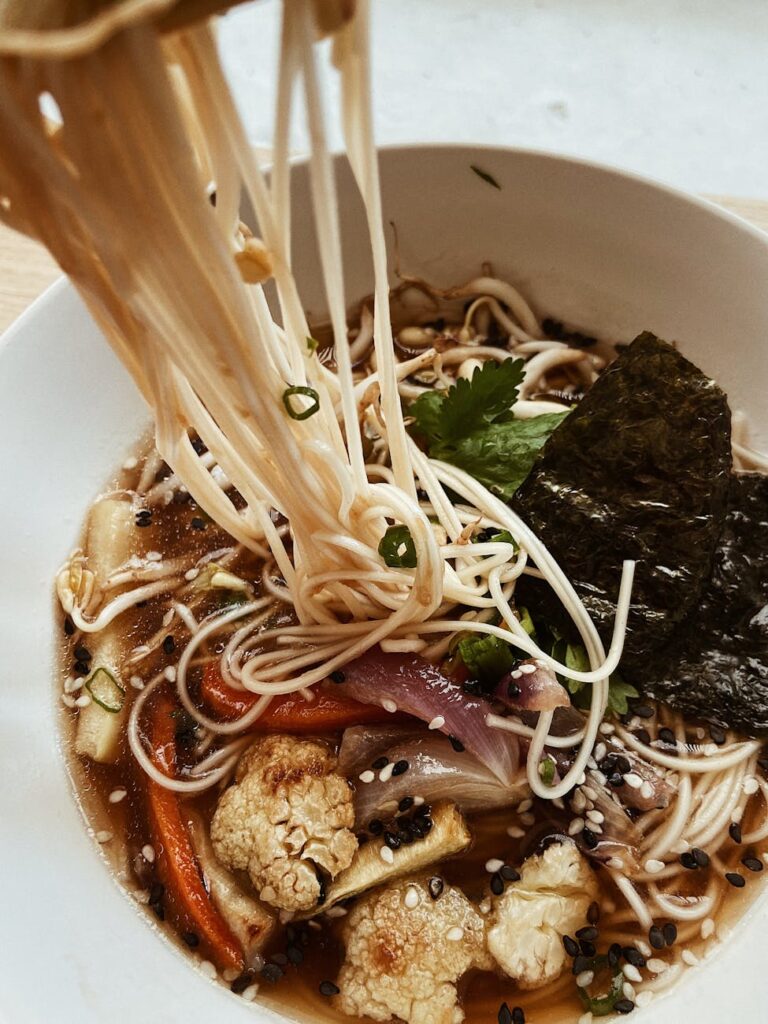
- Garnishing: Crumbled nori can be used as a topping for salads, rice dishes, and soups, adding both flavor and visual appeal.
- Seasoning: Ground nori can be blended into sauces or marinades for added umami flavor.
- Cooking: Nori can be incorporated into dishes like rice balls, pasta, or pancakes for an innovative twist.
Understanding these grading distinctions can help buyers select the right type of nori for their culinary applications.
Buying Considerations
When purchasing nori, several factors should be considered to ensure authenticity and quality:
1. Source: Check the origin of the nori. Authentic Japanese nori is often considered the best quality, but reputable products from Korea and China can also be excellent.
2. Packaging: Quality nori is usually vacuum-sealed to preserve freshness. Look for packages that are intact and free from moisture.
3. Ingredients List: Pure nori should contain only seaweed and possibly salt. Be wary of products with additives or fillers, which may indicate lower quality or fake nori.
4. Color and Texture: As mentioned earlier, authentic nori should have a deep color and smooth texture. Any signs of discoloration or brittleness may indicate inferior quality.
5. Brand Reputation: Opt for well-known brands or suppliers with a history of producing high-quality nori. Customer reviews and expert recommendations can also guide your choice.
6. Price: While high-quality nori may be more expensive, extremely low prices can be a red flag. Authentic nori is a labor-intensive product, and prices should reflect its quality.
Uses and Applications
Nori is a versatile ingredient used in various culinary applications. Its most recognized use is in sushi, where it serves as a wrap for rice and fillings. However, nori can also be utilized in the following ways:
Understanding the diverse uses of nori can help buyers appreciate its value and versatility in the kitchen.
Storage and Shelf Life
Proper storage is essential to maintaining the quality of nori. It should be kept in a cool, dry place, away from moisture and sunlight. Once opened, nori should be resealed in an airtight container to prevent exposure to air, which can lead to loss of flavor and texture.
Typically, unopened nori can last for about 12 to 18 months if stored correctly. However, once the package is opened, it is best consumed within a month for optimal freshness. Signs of deterioration include a faded color, loss of aroma, and increased brittleness.
Common Misconceptions
Several misconceptions surround nori that can lead to confusion among consumers:
1. All Nori is the Same: Not all nori is created equal. Variations in quality, flavor, and texture exist based on the cultivation and processing methods used.
2. Nori is Only for Sushi: While nori is synonymous with sushi, its applications extend far beyond, making it a versatile ingredient in numerous dishes.
3. Nori Can Be Used Indefinitely: Like most food products, nori has a shelf life. It should be consumed within a reasonable timeframe to enjoy its best flavor and texture.
4. Darker Nori is Always Better: While darker nori often indicates higher quality, it is essential to consider other factors such as texture and flavor.
5. All Nori is Gluten-Free: Although nori is naturally gluten-free, some brands may process their nori in facilities that handle gluten-containing products. Always check labels if gluten is a concern.
Frequently Asked Questions
1. How can I tell if nori is of high quality?
Look for deep green to black color, a smooth texture, and a pleasant aroma. High-quality nori should also be thin and flexible.
2. Is it safe to eat expired nori?
While expired nori may not be harmful, its flavor and texture may deteriorate significantly. It is best to consume it within its recommended shelf life.
3. Can I freeze nori?
Freezing is not generally recommended, as it can affect nori’s texture and flavor. Instead, store it in a cool, dry place and reseal after opening.
4. How should I prepare nori for sushi?
Nori should be lightly toasted before use to enhance its flavor. Simply pass it over an open flame or a hot pan for a few seconds until fragrant.
5. Are there any alternatives to nori?
While nori is unique in flavor and texture, alternatives include other types of seaweed, such as kelp or dulse. However, they will impart different tastes and characteristics.
6. Can I use nori in vegan dishes?
Absolutely! Nori is a plant-based ingredient and can be used in various vegan recipes to add umami flavor and nutritional value.
In conclusion, understanding the intricacies of buying nori is essential for anyone looking to elevate their culinary creations. By recognizing the signs of real versus fake nori, consumers can ensure they are selecting high-quality products that enhance their dishes and provide authentic flavor.