
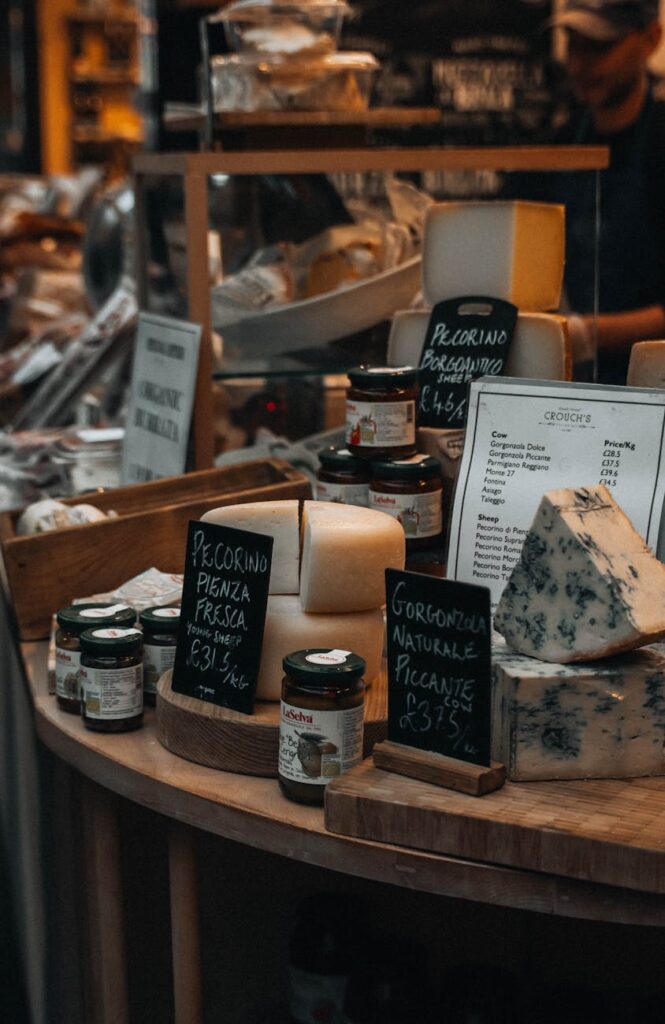
Real vs Fake Pecorino Cheese: How to Tell
Introduction
Pecorino cheese, a staple of Italian cuisine, is cherished for its distinctive flavor and versatility. However, with the rise of global markets, cheese enthusiasts may encounter a wide range of products claiming to be Pecorino. Differentiating between authentic Pecorino and inferior imitations is essential for both culinary integrity and consumer satisfaction. This article serves as a comprehensive guide on how to identify real Pecorino cheese, exploring its history, production methods, quality grading, and more.
What Is Buying?
In the context of food ingredients, “buying” refers to the process of selecting and purchasing food products, ensuring they meet certain standards of quality and authenticity. When it comes to Pecorino cheese, buying is not merely about the transaction; it involves understanding the characteristics that define genuine cheese and recognizing the signs of counterfeit or substandard products. This knowledge empowers consumers to make informed decisions, enhancing their culinary experiences.
History and Origins
Pecorino cheese has its roots in ancient Italy, dating back to the Roman Empire. The term “Pecorino” itself comes from the Italian word “pecora,” meaning sheep, as this cheese is traditionally made from sheep’s milk. The production of Pecorino is particularly prevalent in regions such as Lazio, Sicily, and Sardinia, each contributing unique flavors and textures due to their local climates and grazing practices.
Historically, Pecorino was a staple for shepherds who relied on its high-fat content for sustenance during long days in the fields. The cheese became integral not only to the diet but also to the cultural identity of these regions. Over centuries, Pecorino evolved into various forms, with Pecorino Romano, Pecorino Sardo, and Pecorino Toscano being the most well-known varieties.
Production and Processing
The production of Pecorino cheese involves several meticulous steps, beginning with the sourcing of high-quality sheep’s milk. Authentic Pecorino is made from whole, unpasteurized milk, although some varieties may use pasteurized milk depending on local regulations.
1. Milk Collection: The process starts with the collection of fresh sheep’s milk, ideally from small, local farms that prioritize animal welfare and sustainable practices.
2. Curdling: Rennet, an enzyme sourced from the stomach lining of ruminants, is added to the milk, causing it to coagulate. This step is crucial as it forms the curds necessary for cheese.
3. Cutting the Curd: Once curdled, the curd is cut into small pieces to facilitate whey separation. The size of the curd pieces can affect the final texture of the cheese.
4. Whey Removal: The curds are gently heated to encourage further whey expulsion, after which the whey is drained away.
5. Salting: Salt is added to enhance flavor and act as a preservative. This step also aids in forming the cheese’s rind.
6. Aging: Pecorino is aged for varying periods, typically ranging from a few months to over a year. The aging process allows the development of complex flavors and textures. The longer the aging, the sharper and more robust the cheese becomes.
Quality and Grading
Quality grading is vital in distinguishing authentic Pecorino from imitations. The Italian government regulates Pecorino through Denominazione di Origine Protetta (DOP) certification, which ensures that the cheese is produced according to specific standards in designated regions. Certified Pecorino must meet strict criteria regarding the milk source, production methods, and aging.
1. Pecorino Romano: The most famous variety, characterized by its salty and sharp flavor. It is primarily produced in the Lazio region and is required to be aged for at least five months.
2. Pecorino Toscano: This variety is milder and slightly sweeter than Romano, often aged for a shorter period. It is made in Tuscany and is less salty, making it more versatile for various culinary applications.
3. Pecorino Sardo: Hailing from Sardinia, this cheese can be either mild or sharp, depending on its aging. It is less widely known but offers unique flavors reminiscent of the island’s diverse grazing pastures.
When purchasing Pecorino, look for the DOP label to ensure you are getting an authentic product. Additionally, consider the appearance of the cheese, as high-quality Pecorino should have a firm texture and a natural rind.
Buying Considerations
When shopping for Pecorino cheese, several factors should influence your decision:
1. Source: Purchase from reputable cheese shops or specialty stores that prioritize quality. Avoid mass-produced varieties that lack authenticity.
2. Labeling: Look for DOP certification. This label indicates that the cheese has met stringent quality standards and has been produced in a specific Italian region.
3. Texture and Flavor: Real Pecorino should have a firm, crumbly texture and a rich, savory flavor. If the cheese tastes overly bland or waxy, it may be an imitation.
4. Age: Consider the age of the cheese. Younger Pecorino is milder, while aged varieties offer deeper, more complex flavors. Make your selection based on your intended culinary use.
5. Appearance: Authentic Pecorino has a natural rind that may be slightly rough, and the interior should display a consistent color without large holes or uneven textures.
6. Packaging: Avoid pre-packaged options that do not specify their origin or quality. Fresh cheese is typically best when bought from a deli or specialty cheese counter.
Uses and Applications
Pecorino cheese is incredibly versatile, making it a favorite among chefs and home cooks alike. Its robust flavor profile allows it to be used in various culinary applications:
- Grating: Pecorino Romano is often grated over pasta dishes, soups, and salads, providing a salty kick that enhances the overall flavor.
- Cheese Boards: Aged Pecorino varieties can be served on cheese boards, complemented by fruits, nuts, and cured meats, making for an elegant appetizer.
- Cooking: Pecorino can be melted into sauces, risottos, and casseroles, adding depth and richness to dishes.
- Pairing: This cheese pairs well with full-bodied red wines, such as Chianti or Montepulciano, and can also complement robust beers.
- Refrigeration: Store Pecorino in the refrigerator, wrapped in parchment paper or wax paper, to allow it to breathe while preventing excess moisture.
- Cut vs. Whole: Whole wheels of Pecorino have a longer shelf life than cut pieces. A whole wheel can last several months, while cut cheese should be consumed within a few weeks for optimal freshness.
- Freezing: While freezing is not recommended for preserving the texture and flavor, if necessary, wrap the cheese tightly in plastic wrap and place it in an airtight container. Use frozen Pecorino within three months.
- Pecorino Romano is saltier and sharper, typically aged for at least five months, while Pecorino Toscano is milder with a slightly sweet flavor and is usually aged for a shorter period.
- Yes, Pecorino can be used as a substitute for Parmesan, but be aware that it has a stronger flavor and may alter the dish’s taste profile.
- While the most authentic varieties are imported from Italy, some domestic producers make Pecorino-style cheeses. Always check for DOP certification for authenticity.
- Fresh Pecorino should have a firm texture and a rich aroma. If it smells sour or has an off-putting appearance, it may not be fresh.
- Pecorino can be served on a cheese board, grated over dishes, or enjoyed with fruits and nuts. Pair it with red wine for an enhanced experience.
- Pregnant individuals should consult their healthcare provider regarding cheese consumption, particularly with unpasteurized varieties.
Storage and Shelf Life
Proper storage is crucial to maintaining the quality of Pecorino cheese. Here are some guidelines:
Common Misconceptions
Misunderstandings about Pecorino cheese can lead to confusion when purchasing:
1. All Pecorino is the Same: Many people assume that all Pecorino cheeses are identical. In reality, the flavor, texture, and quality can vary significantly based on region and production methods.
2. Pecorino is Just Parmesan: While both are hard cheeses, Pecorino is made from sheep’s milk, whereas Parmesan is made from cow’s milk, resulting in distinct flavors and textures.
3. DOP Certification is Unnecessary: Some consumers may overlook the importance of certification. DOP guarantees quality and authenticity, making it a key factor in choosing Pecorino.
4. Aging Doesn’t Matter: The age of Pecorino profoundly impacts its flavor. Younger cheeses are milder, while older varieties are sharper and more complex.
5. All Cheeses are Made the Same Way: The production process for Pecorino is specific and traditional, differing from other cheeses. Understanding these nuances is crucial for appreciation.
6. Pecorino is Only for Grating: While it is often used as a grating cheese, Pecorino can also be enjoyed on its own, in salads, or as part of a cheese platter.
Frequently Asked Questions
1. What is the difference between Pecorino Romano and Pecorino Toscano?
2. Can I substitute Pecorino for Parmesan in recipes?
3. Is all Pecorino cheese imported from Italy?
4. How can I tell if Pecorino cheese is fresh?
5. What’s the best way to serve Pecorino?
6. Is it safe to eat Pecorino cheese while pregnant?
In conclusion, understanding the characteristics of real Pecorino cheese is essential for both culinary enjoyment and consumer education. By recognizing the history, production methods, quality grading, and storage recommendations, you can confidently select authentic Pecorino that enhances your culinary endeavors. Whether you are a seasoned chef or a home cook, the right Pecorino can elevate your dishes and provide a taste of Italy’s rich culinary heritage.