
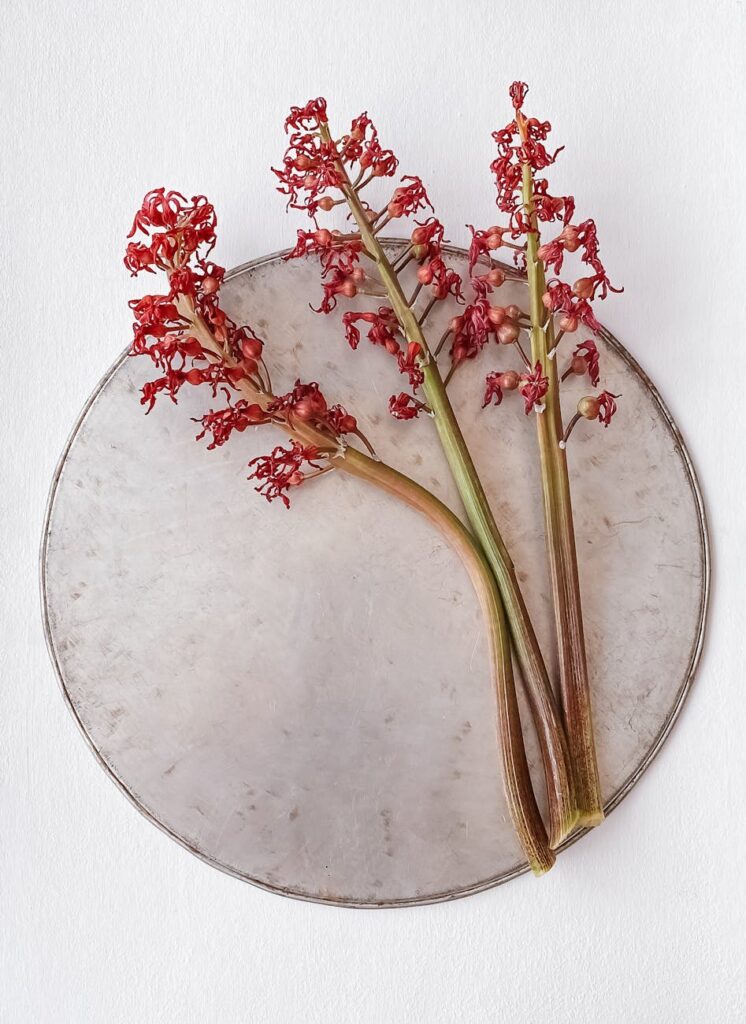
Rhubarb About Guide Part 7
Introduction
Rhubarb, a leafy perennial vegetable often mistaken for a fruit, has a storied history and a unique culinary profile. Known for its vibrant red and green stalks, rhubarb has carved a niche in various cuisines around the world. This comprehensive guide delves into the multifaceted aspects of rhubarb, from its origins and production to its culinary applications and storage techniques.
What Is About?
In the context of food ingredients, “About” encapsulates essential information that offers insights into the ingredient’s characteristics, history, and practical uses. For rhubarb, this involves understanding its botanical classification, flavor profile, and the various ways it can be incorporated into dishes. This guide aims to provide a thorough understanding of rhubarb, enriching the knowledge of culinary enthusiasts and professionals alike.
History and Origins
Rhubarb’s history dates back thousands of years, with its earliest cultivation traced to China around 2700 BC, where it was primarily valued for its medicinal properties. The plant later spread to Europe, particularly during the Middle Ages, gaining popularity among herbalists and apothecaries. It was not until the 18th century that rhubarb began to be recognized as a culinary ingredient, primarily in England.
The variety commonly used in cooking, known as Rheum rhabarbarum, was cultivated in Europe, leading to the development of distinct varieties, including the famous “Forced Rhubarb” of Yorkshire, which is grown in dark sheds to produce tender, sweet stalks.
Over time, rhubarb has become a staple in desserts such as pies and crumbles, although it continues to be appreciated for its versatility in savory dishes as well.
Production and Processing
Rhubarb is primarily grown in temperate regions, thriving in well-drained, fertile soils with ample sunlight and moisture. In the United States, significant production occurs in states like Washington, Oregon, and Michigan, while in Europe, the United Kingdom is a notable producer.
The harvesting process typically begins in the spring when the stalks reach 12 to 18 inches in length. Care must be taken to cut the stalks at the base, leaving the roots intact for future growth. After harvesting, rhubarb is often cleaned and sorted before being processed or packaged for distribution.
Processing may involve canning, freezing, or drying, allowing the ingredient to be used year-round. Fresh rhubarb is usually available from April to June, making it a seasonal favorite in many culinary applications.
Quality and Grading
Quality rhubarb should display a vibrant color, typically a deep red or a bright green, depending on the variety. The stalks should be firm and crisp, with no signs of wilting or decay. Fresh rhubarb should have a glossy sheen, indicating freshness and moisture content.
Grading standards can vary by region; however, rhubarb is generally classified into categories based on size, color, and overall quality. Higher-grade rhubarb is sought after for culinary use, particularly in high-end restaurants and gourmet markets.
When purchasing rhubarb, consumers should look for stalks that are thick and sturdy, as thinner stalks may be tougher and less flavorful. The leaves, which are toxic, should always be removed prior to consumption, as they contain high levels of oxalic acid.
Buying Considerations
When selecting rhubarb, whether at a farmer’s market or grocery store, consider the following:
1. Seasonality: Fresh rhubarb is typically available in spring. Outside of this season, frozen or canned options may be preferable.
2. Color: Choose stalks that exhibit a vibrant color, as this often correlates with flavor and quality.
3. Firmness: Opt for stalks that are firm to the touch, indicating freshness.
4. Source: Locally sourced rhubarb is often fresher and may be cultivated using sustainable practices.
5. Storage: Understanding how to store rhubarb can significantly impact its shelf life and quality.
Uses and Applications
Rhubarb’s tart flavor profile makes it a versatile ingredient in both sweet and savory dishes. Common culinary applications include:
- Desserts: Rhubarb is frequently used in pies, crumbles, and tarts. Its tartness balances well with sugar, making it a popular choice for sweet treats.
- Savory Dishes: The unique flavor of rhubarb can enhance savory dishes, such as sauces for meats, particularly pork and duck. It can also be incorporated into salads or used as a component in marinades.
- Preserves and Sauces: Rhubarb is often transformed into jams, jellies, and sauces, which can complement a range of dishes, from breakfast items to gourmet entrees.
- Beverages: Rhubarb can be used to create refreshing drinks, such as cocktails, syrups, and even infused teas.
- Refrigeration: Fresh rhubarb should be stored in the refrigerator, ideally wrapped in a damp paper towel and placed in a perforated plastic bag. This helps retain moisture while allowing for some airflow.
- Shelf Life: When stored correctly, fresh rhubarb can last up to one week in the refrigerator. Beyond this period, the stalks may begin to wilt and lose their flavor.
- Freezing: If rhubarb is not consumed within its fresh shelf life, it can be frozen. To freeze, wash, chop, and blanch the stalks for one to
The culinary innovation surrounding rhubarb continues to evolve, with chefs experimenting with various techniques, including pickling and fermenting, to enhance its flavor profile.
Storage and Shelf Life
To maintain the quality of fresh rhubarb, proper storage is essential. Here are some guidelines: