
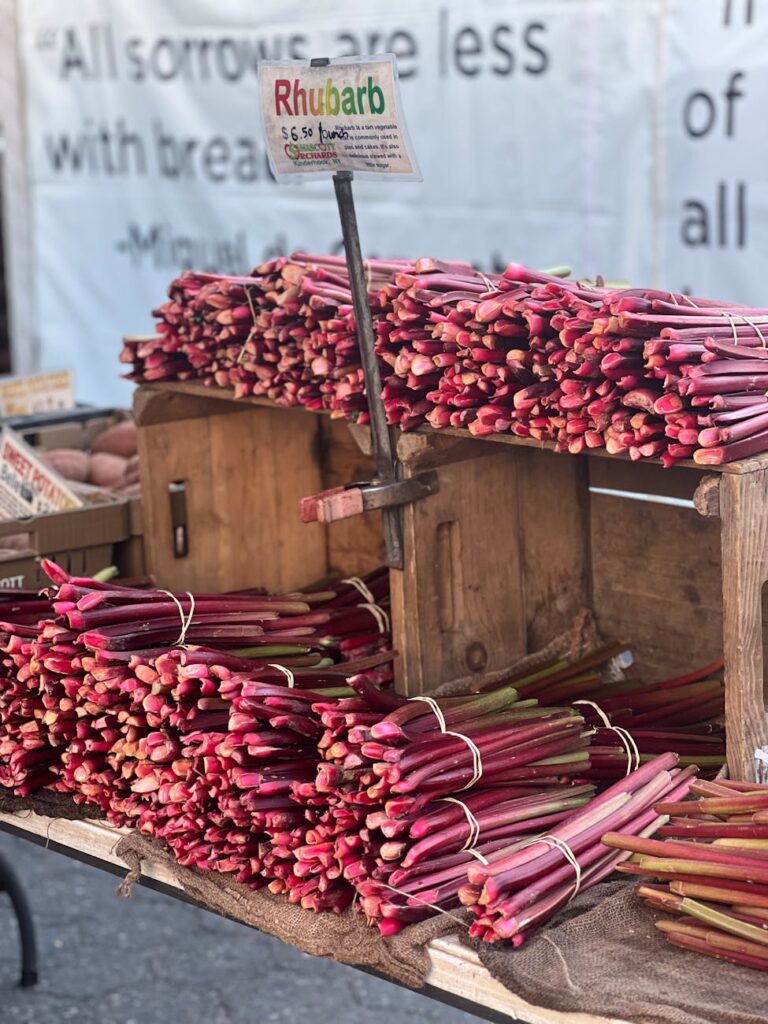
Rhubarb Cultivation Explained
Introduction
Rhubarb, a perennial vegetable often mistaken for a fruit, has garnered attention in culinary circles for its tart flavor and versatility. While widely recognized for its role in pies and desserts, rhubarb’s cultivation is a rich and intricate process that combines horticultural knowledge with a bit of patience. This article aims to provide a comprehensive overview of rhubarb cultivation, exploring its history, production methods, quality grading, and more.
What Is Growing?
Growing refers to the process of cultivating plants, which involves various stages from seed germination to harvest. In the case of rhubarb, this encompasses selecting the right variety, preparing the soil, planting, maintaining the plants, and ultimately harvesting the stalks. Rhubarb is particularly unique as it thrives in temperate climates and requires specific conditions to flourish, making understanding its growth cycle crucial for successful cultivation.
History and Origins
Rhubarb’s history is as intriguing as its flavor profile. Native to Asia, particularly Tibet and China, rhubarb has been cultivated for thousands of years, primarily for its medicinal properties. Ancient civilizations valued rhubarb roots for their purported health benefits, using them in various traditional remedies.
In the 18th century, rhubarb made its way to Europe, where its edible stalks began to gain popularity. The British cultivated it extensively, and it eventually crossed the Atlantic to North America. Today, rhubarb is widely grown in temperate regions around the world, with the United States, Canada, and Europe being the primary producers.
Production and Processing
Cultivation
Rhubarb is best grown in USDA hardiness zones 3 to 8, thriving in well-drained, fertile soil rich in organic matter. The process typically begins with selecting a suitable site that receives full sun for at least six hours a day. The soil pH should ideally be between 6.0 and 6.8.
1. Soil Preparation: Before planting, the soil must be amended with compost or well-rotted manure to enhance fertility. Tilling the soil to a depth of about 12 inches is advisable to aerate and prepare the ground for planting.
2. Planting: Rhubarb can be grown from seeds or, more commonly, from crowns. Crowns are sections of root that can be planted directly into the soil in early spring or fall. When planting, space the crowns approximately 3 feet apart to allow for their expansive growth.
3. Watering: Adequate moisture is crucial for rhubarb. Regular watering, especially during dry spells, ensures healthy growth. However, overwatering can lead to root rot, so it’s important to maintain a balance.
4. Fertilization: Applying a balanced fertilizer in early spring can promote vigorous growth. Organic options such as fish emulsion or compost tea can also be beneficial.
Harvesting
Rhubarb is typically ready for harvest in its second year of growth. The stalks should be harvested when they reach at least 12 inches in length, pulling them from the base rather than cutting to encourage regrowth. Harvesting should occur in late spring to early summer, avoiding the leaves, which are toxic if consumed.
Processing
Once harvested, rhubarb must be cleaned to remove any dirt and debris. It can then be chopped and prepared for use in various culinary applications. For commercial processing, rhubarb may be blanched and frozen, dried, or canned, expanding its shelf life and availability.
Quality and Grading
Quality rhubarb is characterized by firm, crisp stalks that are vibrant in color, ranging from deep red to green. The grading of rhubarb typically involves several factors:
1. Color: The intensity of color indicates ripeness and flavor; deeper hues usually suggest a sweeter taste.
2. Texture: Fresh rhubarb should be firm and free from blemishes or soft spots.
3. Length: Longer stalks are often preferred in culinary applications, but uniformity in size can also impact marketability.
Regulatory bodies may have specific standards for grading rhubarb, often focusing on these quality metrics to ensure consistency for consumers.
Buying Considerations
When purchasing rhubarb, whether from a grocery store or a farmer’s market, consider the following tips:
1. Freshness: Look for firm, crisp stalks with no signs of wilting or browning.
2. Color: Opt for stalks with vibrant colors, as this indicates freshness and flavor.
3. Seasonality: Rhubarb is typically in season from late spring through early summer, so purchasing during this time ensures the best quality.
4. Source: If possible, buy local to ensure that the rhubarb has been harvested recently and has not undergone long transportation times, which can affect freshness.
Uses and Applications
Rhubarb’s primary uses are in culinary applications, particularly in desserts. However, it can also be utilized in savory dishes. Here are some common applications:
1. Desserts: Rhubarb is famously used in pies, crumbles, and tarts, often paired with strawberries to balance its tartness.
2. Sauces: Cooked down with sugar, rhubarb can serve as a flavorful sauce for various dishes.
3. Beverages: Rhubarb can be infused in syrups for cocktails or non-alcoholic drinks, providing a unique flavor profile.
4. Savory Dishes: Its tartness can complement meats, particularly in glazes or marinades, adding a refreshing contrast.
Storage and Shelf Life
Fresh rhubarb can be stored in the refrigerator, wrapped in plastic or placed in a perforated bag, for up to a week. It is advisable to avoid