
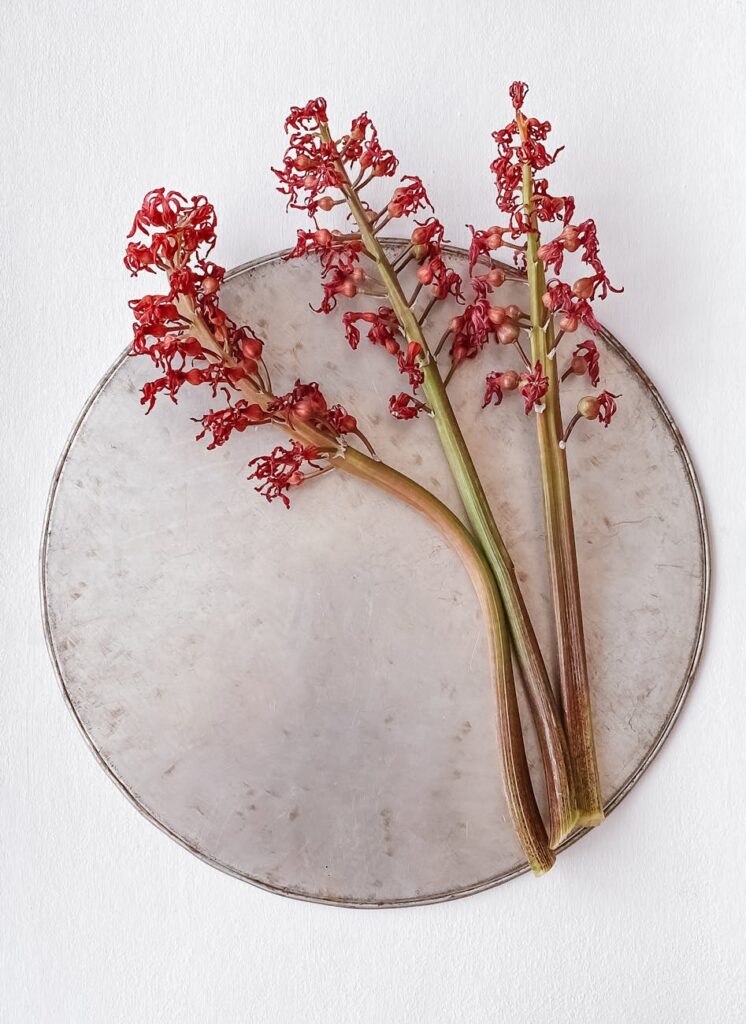
Rhubarb Growing Guide Part 7
Introduction
Rhubarb, a perennial plant known for its tart flavor and vibrant stalks, has secured a significant place in culinary traditions around the world. While it is often mistaken for a fruit due to its culinary uses, rhubarb is botanically classified as a vegetable. This guide explores the multifaceted aspects of growing rhubarb, delving into its history, cultivation practices, quality assessments, and much more.
What Is Growing?
Growing refers to the process of nurturing plants from seeds or transplants until they reach maturity, ready for harvest and consumption. In the context of rhubarb, growing involves understanding its unique requirements, including soil conditions, moisture levels, and seasonal cycles. This perennial plant can thrive for many years with proper care, making it a staple in many gardens.
History and Origins
Rhubarb’s history traces back to ancient times, with its origins rooted in Asia, particularly in regions of China. Historically, it was valued not only for its culinary applications but also for its medicinal properties. The plant made its way to Europe during the 16th century, where it gained popularity in cooking, particularly in pies and desserts.
In the 18th century, rhubarb became a staple in North American gardens, introduced by early settlers who recognized its adaptability to various climates. Today, rhubarb is cultivated globally, with notable production in countries such as the United States, China, and the United Kingdom.
Production and Processing
Cultivation Practices
Rhubarb thrives in temperate climates with well-drained soil rich in organic matter. The plant prefers a pH level between 6.0 and 7.0, making it essential to test soil conditions before planting.
- Soil Preparation: Before planting, amend the soil with compost or well-rotted manure to enhance nutrient content and drainage.
- Planting: Rhubarb can be propagated from seeds or crowns. When planting crowns, space them approximately 3 feet apart to allow for ample growth.
- Watering: Consistent moisture is vital for rhubarb, especially during dry spells. However, overwatering can lead to root rot, so balance is key.
- Fertilization: A balanced fertilizer applied in early spring promotes healthy growth. Avoid high-nitrogen fertilizers, which can lead to excessive leaf growth at the expense of stalk development.
- Grade A: Stalks are thick, tender, and free from defects. Ideal for fresh market sales.
- Grade B: Slightly thinner stalks that may have minor blemishes. Suitable for processing.
- Grade C: Stalks that are overly mature or damaged, typically used for industrial processing or composting.
- Freshness: Look for firm, brightly colored stalks. Avoid any that appear wilted or have soft spots.
- Seasonality: Rhubarb is typically in season from April to June. Buying in season ensures optimal flavor and quality.
- Source: If possible, purchase from local farmers’ markets or organic producers, as these products are often fresher and have fewer pesticides.
- Variety: Different varieties of rhubarb may offer distinct flavors and colors. Research available types to find one that suits your culinary needs.
- Desserts: Rhubarb is frequently used in pies, crumbles, and tarts, often combined with strawberries to balance its tartness.
- Savory Dishes: It can also be incorporated into sauces for meats, adding a unique tang.
- Beverages: Rhubarb juice, syrups, and even cocktails have become popular for their refreshing and unique flavors.
- Refrigeration: Wrap stalks in a damp paper towel and place them in a plastic bag. Stored this way, fresh rhubarb can last up to a week.
- Freezing: For longer storage, rhubarb can be blanched and frozen. Cut stalks into manageable pieces, blanch them for one to two minutes, cool quickly, and then freeze in airtight containers. Frozen rhubarb can retain its quality for up to a year.
Harvesting
Rhubarb typically reaches maturity in the second or third year after planting. The harvesting process involves pulling the stalks from the base rather than cutting them, ensuring healthy regrowth. Harvest stalks when they are at least 12 inches long and firm, typically in late spring to early summer.
Processing
Once harvested, rhubarb can be cleaned and trimmed for various uses. The leaves of the rhubarb plant contain oxalic acid and are toxic; therefore, they should be discarded. The edible stalks can be processed into jams, jellies, or frozen for later use.
Quality and Grading
Quality rhubarb is characterized by firm, vibrant stalks with a glossy surface. The color can vary from green to deep red, depending on the variety, but all should be free from blemishes and signs of decay.
Grading Standards
Understanding these grading standards can help growers and buyers select the best quality rhubarb for their needs.
Buying Considerations
When purchasing rhubarb, whether from a market or a garden center, consider the following:
Uses and Applications
Rhubarb is incredibly versatile in the kitchen. Its tart flavor pairs well with a variety of ingredients, making it a favorite in both sweet and savory dishes.
Culinary Applications
In addition to culinary uses, rhubarb leaves and stalks can also be utilized in crafts and natural dyeing processes, showcasing the plant’s versatility beyond the kitchen.
Storage and Shelf Life
Storing rhubarb properly is crucial to maintaining its quality. Fresh rhubarb can be refrigerated to extend its shelf life:
Common Misconceptions
Rhubarb is often surrounded by myths and misconceptions that can lead