
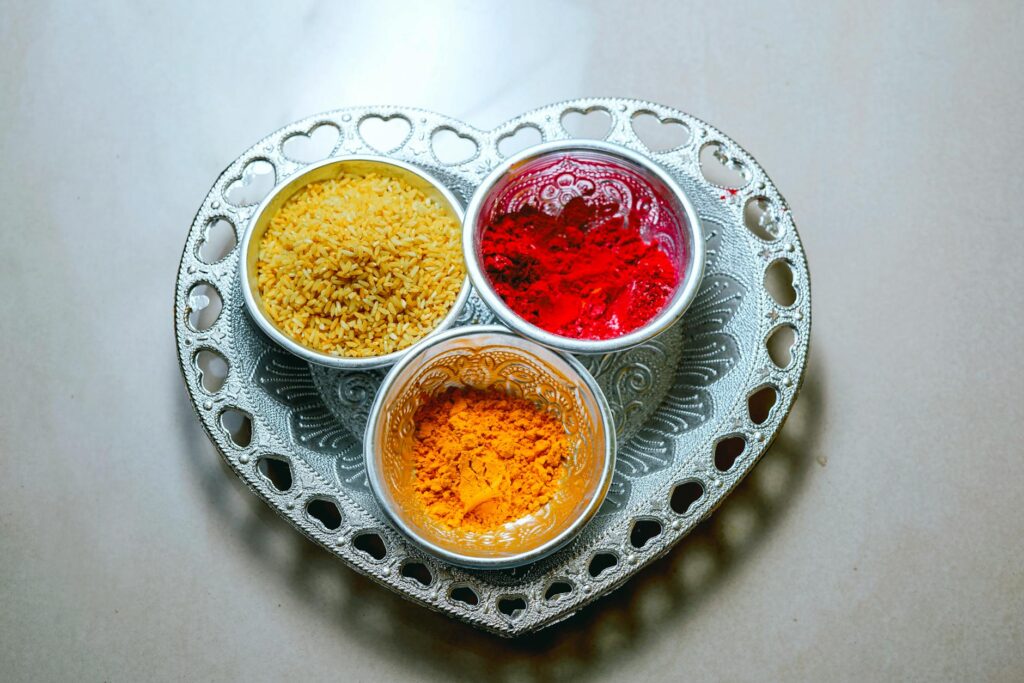
Rice Growing Guide Part 7
Introduction
Rice is one of the most crucial staple foods worldwide, feeding more than half of the global population. Its cultivation is a complex process that requires knowledge of various agricultural practices, environmental conditions, and market dynamics. This guide aims to provide a comprehensive understanding of rice growing, covering aspects from historical roots to modern production techniques.
What Is Growing?
In the context of rice, “growing” refers to the entire process of cultivating rice plants from seed to harvest. This multifaceted process encompasses selecting the right variety, preparing the soil, planting, managing water and nutrients, and finally harvesting and processing the grain. Understanding each of these steps is essential for achieving optimal yields and quality.
History and Origins
Rice cultivation dates back thousands of years, with archaeological evidence suggesting it was first domesticated in the Yangtze River valley in China around 10,000 years ago. Over the centuries, rice farming spread across Asia and eventually to other parts of the world, including Africa, Europe, and the Americas. The two primary species of cultivated rice are Oryza sativa, native to Asia, and Oryza glaberrima, originating in Africa.
The evolution of rice cultivation has been influenced by climatic conditions, cultural practices, and technological advancements. Today, rice is classified into various types, including long-grain, medium-grain, and short-grain rice, each with distinct characteristics and uses.
Production and Processing
Cultivation Methods
Rice can be cultivated using different methods, including:
- Wet Rice Cultivation: This method involves flooding fields with water, which is essential for rice growth. Common in Asia, it takes advantage of the plant’s ability to thrive in submerged conditions.
- Dryland Rice Cultivation: Used in regions with less water availability, this method relies on rainfall for irrigation and is typically practiced in areas like parts of Africa and South America.
- Aerobic Rice Cultivation: This innovative method allows rice to be grown in well-drained conditions, requiring less water than traditional wet cultivation. It is gaining popularity as a sustainable practice.
- Food Industry: Rice is processed into flour, noodles, and snacks. Rice bran oil is extracted for cooking and food production.
- Brewery: Certain rice varieties are used in the production of alcoholic beverages, particularly in Asia.
- Pharmaceuticals: Rice starch is used as a binding agent in tablets and capsules.
- Cosmetics: Rice powder is
Soil Preparation
Soil quality is a significant factor in rice production. Ideal rice-growing soil is rich in organic matter, has good drainage, and retains moisture. Farmers often prepare the soil through plowing and harrowing to create a fine seedbed. Soil testing can provide crucial information regarding nutrient levels, pH, and texture, allowing for tailored fertilization.
Planting
Rice is typically planted in rows or broadcasted directly onto the soil. The planting season varies based on climate, but it usually occurs in late spring to early summer. Seedlings are often grown in nurseries before being transplanted into flooded fields. Transplanting can improve plant density and reduce competition from weeds.
Water Management
Water management is critical in rice cultivation. Adequate and timely irrigation ensures optimal growth conditions. Farmers must monitor water levels, especially during the critical stages of seed germination, tillering, and flowering. Proper drainage is equally important to prevent waterlogging, which can damage the roots.
Fertilization
Rice plants require a balanced supply of nutrients, including nitrogen, phosphorus, and potassium. Fertilization strategies often involve both organic and inorganic fertilizers. Soil tests can guide fertilizer application rates, timing, and types to bolster soil health and maximize yield.
Pest and Disease Management
Rice is susceptible to various pests and diseases, including rice blast, brown planthopper, and stem borer. Integrated Pest Management (IPM) strategies are recommended, combining biological control, resistant varieties, and chemical treatments when necessary. Regular monitoring is essential to detect any outbreaks early.
Harvesting
Harvesting typically occurs when grains reach maturity, indicated by a change in color and moisture content. Farmers use sickles or mechanized harvesters to cut the plants. Timely harvesting is crucial to prevent losses due to shattering or pest infestations.
Processing
Post-harvest, rice undergoes several processing stages, including drying, milling, and packaging. Drying reduces moisture content, thereby preventing spoilage. Milling removes the husk and bran layers, resulting in white rice or brown rice, depending on the processing level.
Quality and Grading
The quality of rice is assessed based on several factors, including grain size, shape, color, and absence of defects. Grading standards vary by country but generally classify rice into different grades, such as premium, grade A, and grade B. Quality assurance practices ensure that rice meets market expectations and maintains consumer trust.
Buying Considerations
When purchasing rice, several factors should be considered:
1. Type of Rice: Different types of rice are suited for various culinary applications. Long-grain rice is ideal for pilafs, while short-grain rice is favored for sushi.
2. Origin: The geographical origin can influence taste and texture. For instance, Jasmine rice from Thailand is known for its aromatic fragrance.
3. Quality and Grading: Look for certified grades that indicate quality assurance.
4. Packaging: Ensure that the packaging is intact and stored in a cool, dry place to maintain freshness.
5. Organic vs. Conventional: Organic rice is grown without synthetic pesticides or fertilizers, appealing to health-conscious consumers.
Uses and Applications
Rice serves as a primary food source in many cultures, forming the basis of countless dishes. Beyond culinary uses, rice is also utilized in various industries: