
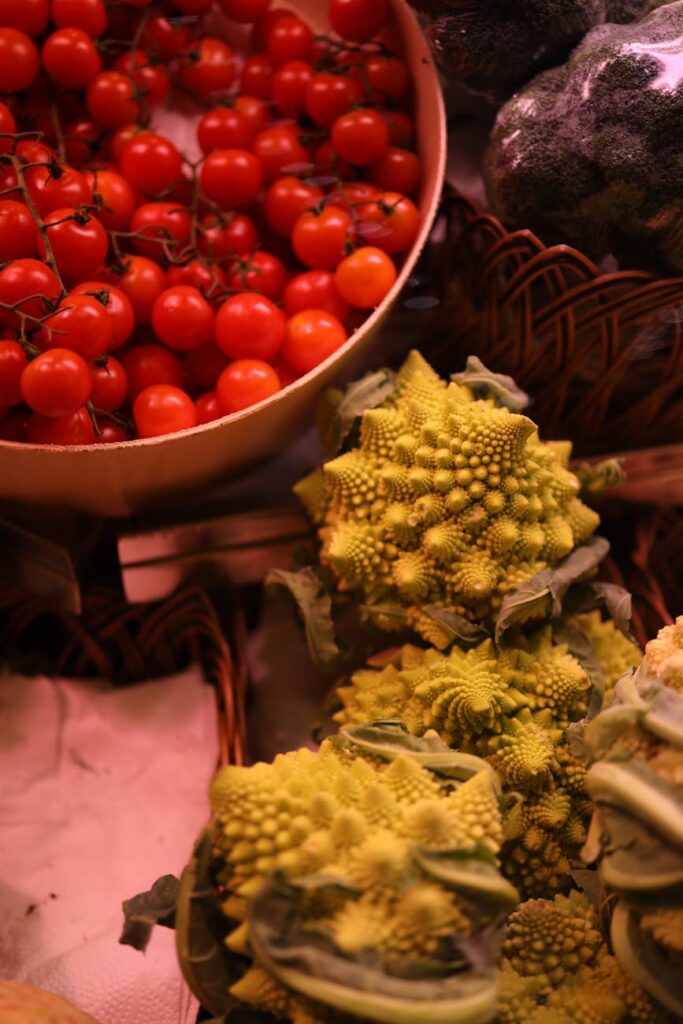
Romanesco Around the World
Introduction
Romanesco, with its striking fractal patterns and vibrant green hues, is a captivating member of the brassica family, often drawing comparisons to cauliflower and broccoli. This unique vegetable not only enchants visually but also offers a distinct flavor profile, making it a sought-after ingredient in culinary circles. However, like many food ingredients, its significance extends beyond its culinary applications. Understanding the various regions that cultivate and utilize romanesco enhances our appreciation of this vegetable, revealing its rich history, diverse production methods, and cultural importance across the globe.
What Is Regions?
In the context of agricultural products like romanesco, “regions” refers to the geographical areas where the vegetable is grown, along with the specific cultivation practices, climate conditions, and cultural influences that shape its production. The characteristics of romanesco can vary significantly depending on its region of origin, affecting factors such as taste, size, and nutritional content. This section aims to explore the prominent regions known for romanesco production, focusing on their unique attributes and contributions to this fascinating vegetable.
History and Origins
Romanesco’s origins can be traced back to the Mediterranean region, particularly Italy, where it has been cultivated for centuries. The vegetable is believed to have been developed in the 16th century, evolving from traditional cauliflower varieties. Its name derives from the Italian city of Rome, reflecting its historical ties to the region.
Romanesco gained popularity in the 20th century as chefs and home cooks began to appreciate its aesthetic appeal and flavor. The vegetable has made its way into gourmet kitchens and health-conscious households worldwide. Today, it is celebrated not only for its striking appearance but also for its nutritional benefits, embodying the intersection of history, culture, and modern culinary trends.
Production and Processing
Romanesco is primarily grown in temperate climates, thriving in regions with well-drained soil and ample sunlight. Major producers include Italy, France, the United States, and various countries in Asia. Each region employs its own cultivation techniques, influenced by local agricultural practices and environmental conditions.
Italy
In Italy, particularly in the regions of Lazio and Campania, romanesco is cultivated with great care. Traditional methods often involve planting during late summer for a fall harvest, allowing the vegetable to mature in cooler temperatures, which enhances its flavor and texture. Farmers prioritize organic practices, minimizing the use of synthetic fertilizers and pesticides, which has contributed to the vegetable’s growing popularity in health-conscious markets.
United States
In the United States, California is the leading producer of romanesco. The climate in coastal areas offers ideal growing conditions, enabling farmers to cultivate romanesco year-round. California’s agricultural landscape supports both conventional and organic romanesco production, catering to diverse consumer preferences. The state has seen a rise in small-scale farms dedicated to specialty crops, including romanesco, reflecting the increasing demand for unique culinary ingredients.
Asia
Countries like China and Japan have also begun to cultivate romanesco, adapting it to local climates and culinary traditions. In Japan, for instance, romanesco has found its place in contemporary cuisine, often featured in upscale restaurants and gourmet markets. The adaptability of the vegetable to different agricultural practices has allowed it to flourish beyond its Mediterranean roots.
Quality and Grading
Quality and grading standards for romanesco vary by region, but several key factors are universally assessed. The foremost considerations include color, size, firmness, and the integrity of the fractal florets. High-quality romanesco should exhibit a vibrant green color, with tightly packed florets that are free from blemishes or discoloration.
Grading Systems
In the United States, the United States Department of Agriculture (USDA) provides grading standards for vegetables, including romanesco. The grading system typically categorizes products into three grades: U.S. Fancy, U.S. No. 1, and U.S. No. 2. U.S. Fancy represents the highest quality, characterized by superior appearance and condition.
In Europe, the grading of romanesco may follow the standards set by the European Union, which emphasizes similar quality indicators. Familiarity with these grading systems can assist consumers in selecting the best romanesco available in local markets.
Buying Considerations
When purchasing romanesco, several factors should be taken into account to ensure the best quality and flavor.
Seasonal Availability
Romanesco is typically in season from late summer through early winter, depending on the region. Buying in season often guarantees fresher and more flavorful produce. While it may be available year-round in some areas, off-season romanesco may not provide the same taste or texture.
Appearance
Look for romanesco with vibrant green color and tightly packed florets. Avoid any heads that show signs of wilting, browning, or soft spots, as these may indicate spoilage.
Sourcing
Consider purchasing romanesco from local farmers’ markets or reputable grocery stores that prioritize fresh, locally sourced produce. Organic options are often preferred, as they are less likely to contain pesticide residues and are typically grown with sustainable practices.
Uses and Applications
Romanesco’s unique appearance and flavor make it a versatile ingredient in various culinary applications.
Culinary Uses
Chefs and home cooks alike appreciate romanesco for its ability to brighten up dishes visually and flavor-wise. It can be roasted, steamed, sautéed, or even eaten raw in salads. Its flavor is a delightful combination of nutty and slightly sweet, making it an excellent addition to pasta dishes, stir-fries, and vegetable medleys.
Garnishing and Presentation
Due to its striking fractal shape, romanesco is often used as a decorative element in plated dishes. Its unique form can elevate the presentation of a meal, appealing to both aesthetics and taste.
Cultural Significance
In regions like Italy, romanesco holds cultural significance, often