
Romanesco Growing Guide Part 7
Introduction
Romanesco, a striking member of the Brassica family, is celebrated not only for its unique fractal shape but also for its rich flavor and nutritional benefits. As we delve into the intricacies of growing Romanesco, this guide will provide you with comprehensive insights into the cultivation, processing, and handling of this exquisite ingredient. Whether you are a home gardener or a commercial grower, understanding the various facets of Romanesco will enhance your ability to produce high-quality crops that can be enjoyed in a multitude of culinary applications.
What Is Growing?
Growing, in the context of agriculture, refers to the entire process involved in cultivating plants, from seed germination to harvesting and beyond. For Romanesco, this includes selecting the right variety, preparing the soil, managing growth conditions, and ensuring proper care throughout the plant’s life cycle. The growing process also encompasses understanding the environmental factors that influence plant health and yield, as well as the best practices for pest and disease management.
History and Origins
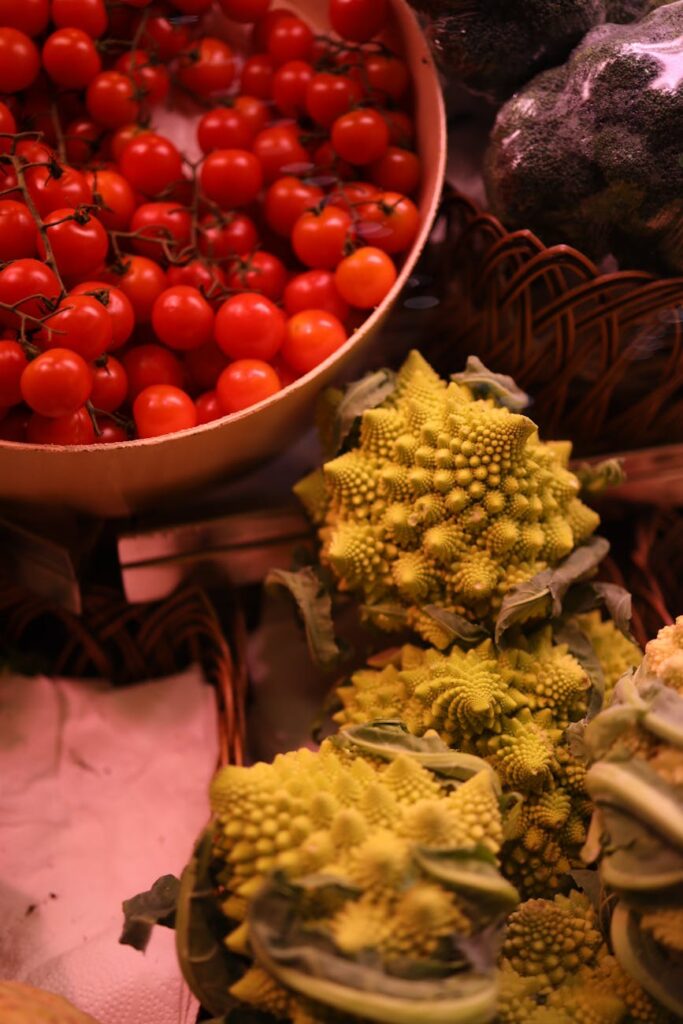
Romanesco originated in the Mediterranean region, particularly in Italy, where it has been cultivated for centuries. Its striking appearance, characterized by a mesmerizing pattern of spirals and cones, has sparked interest among chefs and gardeners alike. The vegetable is a cultivar of cauliflower and is part of the Brassica oleracea species, which also includes broccoli and cabbage. Romanesco gained wider recognition in the 20th century as chefs began to appreciate its aesthetic appeal and unique flavor profile. Today, it is grown in various parts of the world, including Europe, North America, and Asia, adapting well to a range of climates.
Production and Processing
Cultivation Practices
Romanesco thrives in well-drained, nutrient-rich soil with a pH level between 6.0 and 7.0. It prefers full sun exposure, requiring at least six hours of direct sunlight daily. The ideal growing temperature ranges from 60°F to 70°F (15°C to 21°C).
To start cultivation, seeds can be sown indoors six to eight weeks before the last frost date, or directly in the ground once the soil has warmed. Transplanting seedlings to the garden should occur when they are four to six weeks old and have developed several true leaves. Spacing is crucial; plants should be spaced 18 to 24 inches apart to allow for adequate air circulation and growth.
Irrigation and Fertilization
Consistent moisture is essential for optimal growth. Regular watering is vital, particularly during dry spells, as Romanesco is sensitive to drought. A deep watering strategy is recommended to encourage root development. Organic compost or balanced fertilizers can be applied at planting and during the growth phase to ensure adequate nutrient supply.
Pest and Disease Management
Romanesco is susceptible to various pests, including aphids, cabbage worms, and flea beetles. Implementing integrated pest management (IPM) strategies can effectively mitigate these threats. This includes the use of beneficial insects, crop rotation, and organic pesticides when necessary. Common diseases affecting Romanesco include downy mildew and black rot, which can be minimized through proper spacing, air circulation, and sanitation practices.
Quality and Grading
The quality of Romanesco is assessed based on its color, shape, and firmness. High-quality specimens are vibrant green, with a firm texture and no signs of blemishes or wilting. Grading typically involves categorizing Romanesco into sizes ranging from small to large, with larger heads often commanding higher market prices.
When evaluating quality, it is essential to consider the overall appearance, as well as the absence of pests or diseases, which can compromise the integrity of the product. Additionally, fresh Romanesco should have tightly packed florets, which indicate optimal freshness and flavor.
Buying Considerations
When purchasing Romanesco, whether at a grocery store or a farmer’s market, several factors should be considered to ensure quality:
1. Freshness: Look for heads that are bright green, compact, and heavy for their size. Avoid any with yellowing or wilting leaves.
2. Seasonality: Romanesco is typically in season from late summer to early winter. Buying during its peak season can enhance flavor and freshness.
3. Source: Whenever possible, choose locally grown Romanesco, as it is likely to have been harvested more recently and will be fresher than imported varieties.
4. Organic vs. Conventional: Consider the growing practices used. Organic Romanesco may offer a more environmentally friendly option, while also being free from synthetic pesticides and fertilizers.
Uses and Applications
Romanesco is versatile in culinary applications, making it a popular choice among chefs and home cooks alike. Its unique texture and nutty flavor lend themselves well to a variety of cooking methods, including steaming, roasting, and sautéing. It can also be enjoyed raw in salads or as part of a vegetable platter.
In addition to its culinary uses, Romanesco can be an eye-catching centerpiece for dishes, adding visual appeal to any plate. The vegetable can be pureed for soups, used as a base for sauces, or incorporated into pasta dishes, showcasing its adaptability in both casual and fine dining settings.
Storage and Shelf Life
To maintain the freshness of Romanesco, proper storage is essential. It should be kept in the refrigerator, preferably unwashed, in a perforated plastic bag to allow for air circulation. When stored correctly, Romanesco can last for up to a week.
If you need to preserve it for a more extended period, blanching and freezing are effective methods. Blanching involves briefly boiling the vegetable and then plunging it into ice water to halt the cooking process. Once cooled, it can be packed in airtight containers or freezer bags and stored in the freezer for several months.
Common Misconceptions
One prevalent misconception about Romanesco is that it is a hybrid or genetically modified organism (GMO