
Romanesco Regions Guide Part 6
Introduction
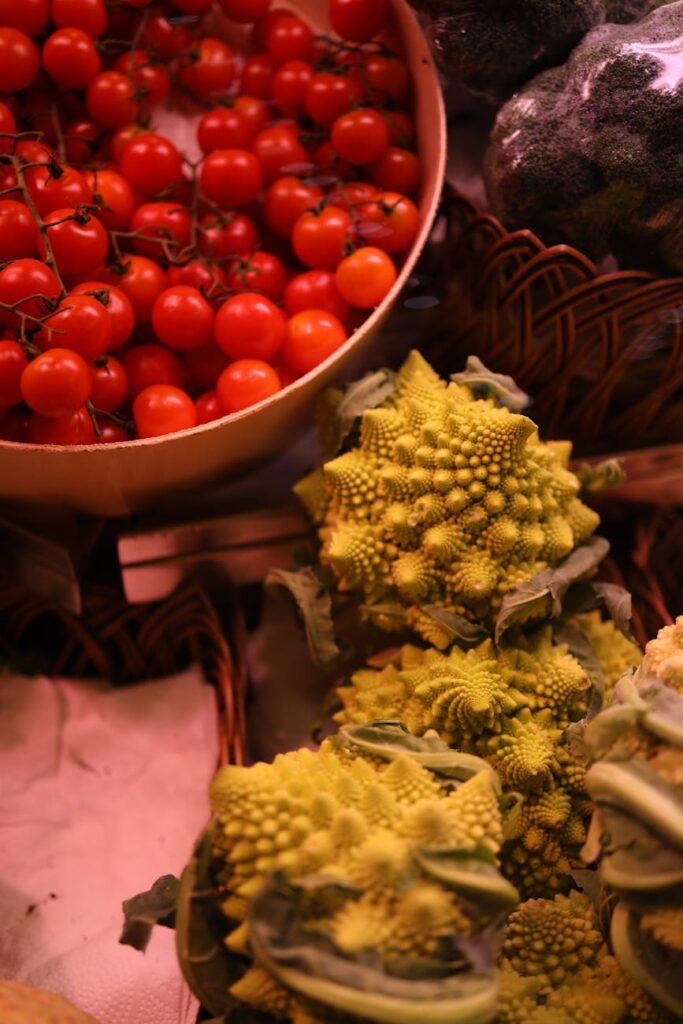
Romanesco, a visually striking vegetable with its fractal-like appearance, has gained popularity in culinary circles and among health-conscious consumers. This guide delves into the various regions where Romanesco is cultivated, exploring the unique characteristics imparted by their environments, cultivation techniques, and the cultural significance of this vegetable. Understanding the regional differences in Romanesco can enhance appreciation for this unique ingredient and inform buying and cooking choices.
What Is Regions?
In the context of food ingredients, “regions” refers to the geographical areas where specific crops are grown. Each region offers distinct climatic conditions, soil types, and agricultural practices that influence the characteristics of the crops produced there. For Romanesco, these factors are crucial in determining its flavor profile, texture, and overall quality.
Romanesco is primarily grown in temperate climates, and its cultivation can be found in various regions around the world, each contributing to its unique attributes. Understanding these regions helps consumers make informed choices about the Romanesco they purchase and enjoy.
History and Origins
Romanesco originated in the Mediterranean region, specifically in Italy, where it has been cultivated for centuries. Historical records suggest that Romanesco, also referred to as Roman cauliflower, was first documented in the 16th century. Its distinctive appearance and flavor quickly made it a cherished vegetable in Italian cuisine.
Over the years, Romanesco has spread to other parts of Europe and the world, with growers in France, Spain, and the United States adopting it into their agricultural practices. The vegetable has gained traction in recent decades due to a growing interest in heirloom varieties and unique culinary ingredients, leading to its recognition beyond its traditional roots.
Production and Processing
Key Regions for Romanesco Production
1. Italy: The heartland of Romanesco cultivation, particularly in regions like Lazio and Emilia-Romagna. The temperate climate and fertile soil here create ideal growing conditions. Italian growers often emphasize traditional farming methods, allowing the vegetable to develop its full flavor potential.
2. France: In France, Romanesco is primarily grown in regions such as Brittany and the Loire Valley. The cooler climate aids in producing a tightly packed, vibrant green head, which is often sought after by gourmet chefs.
3. United States: California is the leading producer of Romanesco in the U.S., particularly in the Central Valley. The long growing season and abundant sunshine contribute to a robust crop, although production methods can vary widely, from organic to conventional farming practices.
Cultivation Techniques
Romanesco is typically sown in spring for a summer harvest or in late summer for a fall harvest. Its growth requires careful attention to soil health, watering, and pest control. Organic growers often rely on natural pest deterrents and crop rotation to maintain soil fertility. The harvesting process is labor-intensive, as each head must be cut by hand when it reaches peak maturity.
Quality and Grading
The quality of Romanesco is assessed based on several criteria, including size, color, and density. High-quality Romanesco should exhibit a bright green hue, with tightly packed florets and a firm texture. Any signs of yellowing or wilting indicate that the vegetable is past its prime.
Grading systems can vary by region, but generally, Romanesco is classified into different grades based on these quality markers. Higher grades are typically reserved for produce that meets strict aesthetic and quality standards, often sought after by upscale restaurants and markets.
Buying Considerations
When purchasing Romanesco, consider the following factors to ensure the highest quality:
1. Seasonality: Romanesco is best bought during its peak seasons, typically from late summer to early winter, depending on the region. Off-season purchases may result in inferior quality.
2. Appearance: Choose heads that are bright green, compact, and free from blemishes. The florets should be tightly packed, indicating freshness.
3. Source: If possible, buy from local farmers’ markets or organic growers. This not only supports local agriculture but often results in fresher produce.
4. Storage options: Romanesco should be stored in a cool, moist environment to maintain its freshness.
Uses and Applications
Romanesco offers versatility in the kitchen, allowing it to shine in various culinary applications. Its unique shape and texture make it visually appealing in salads, while its mild flavor pairs well with a variety of dishes.
Common uses include:
- Sautéing: Quickly cooking Romanesco retains its crunch and enhances its natural flavor.
- Roasting: Roasting brings out a nutty sweetness, making it an excellent accompaniment to meats or grains.
- Steaming: Steaming preserves the vibrant color and nutrients, making it a healthy addition to any meal.
- Garnishing: Its unique shape makes Romanesco an attractive garnish for various dishes, adding visual interest.
Storage and Shelf Life
Proper storage is essential for maintaining the quality of Romanesco. When stored correctly, it can last up to a week in the refrigerator.
Storage Tips
1. Refrigeration: Store Romanesco in a perforated plastic bag in the crisper drawer of your fridge. This helps retain moisture while preventing excess humidity.
2. Avoid Damage: Handle the vegetable gently to avoid bruising, which can lead to rapid spoilage.
3. Prepping: If you plan to use Romanesco within a few days, you can wash and cut it into florets to facilitate quicker cooking. However, avoid washing until you’re ready to use it, as moisture can lead to mold growth.
Common Misconceptions
Despite its growing popularity, several misconceptions about Romanesco persist:
1. Misunderstanding its classification: Some people confuse Romanesco with broccoli or cauliflower, although it is a distinct variety with its own unique flavor and texture.
2. Perceived difficulty