
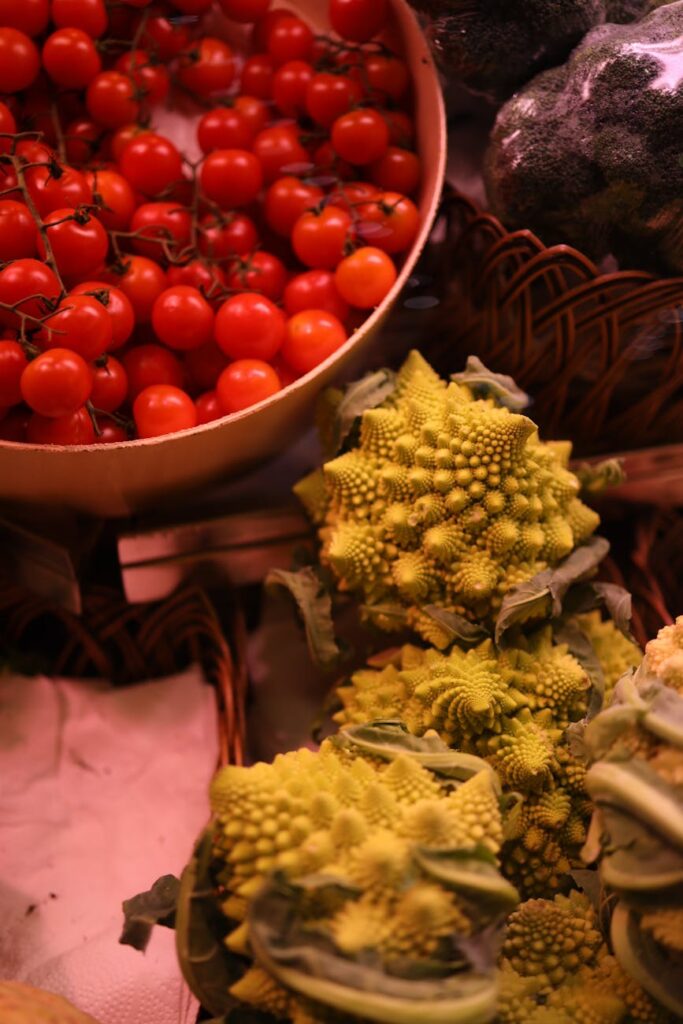
Romanesco Regions Guide Part 7
Introduction
Romanesco, with its striking fractal appearance and vibrant green hue, is a fascinating brassica that has captured the culinary world’s attention. Known for its unique texture and nutty flavor, this vegetable is not just visually appealing, but also holds a significant place in various regional cuisines. This guide delves into the diverse regions where Romanesco is cultivated, offering insights into its history, production, and widespread culinary applications.
What Is Regions?
Regions refer to specific geographical areas where particular varieties of agricultural products are cultivated. These areas often possess unique climatic conditions, soil types, and cultural practices that influence the characteristics of the produce. For Romanesco, regions play a crucial role in determining its flavor, texture, and overall quality. Understanding these regions helps consumers appreciate the vegetable’s diversity and encourages a deeper connection to local agricultural practices.
History and Origins
Romanesco is believed to have originated in Italy, particularly in the Lazio region, where it has been cultivated since the 16th century. Its unique conical shape and vibrant color were likely the result of selective breeding aimed at enhancing both its aesthetic appeal and nutritional value. The name “Romanesco” is derived from “Rome,” highlighting its Italian roots.
Over the centuries, Romanesco has gained popularity beyond Italy, becoming a staple in Mediterranean cuisine and eventually spreading to other parts of Europe and North America. Its introduction to the United States in the late 20th century marked a significant turning point, as chefs and home cooks alike began to experiment with this unique brassica, integrating it into a variety of dishes.
Production and Processing
Today, Romanesco is primarily grown in regions with temperate climates, where it can thrive during the cool months of fall and early spring. Key producing areas include Italy, France, Spain, the United Kingdom, and parts of California in the United States.
Cultivation Techniques
The cultivation of Romanesco requires specific agronomic practices, including:
- Soil Preparation: Romanesco prefers well-drained, fertile soils rich in organic matter. Farmers often amend the soil with compost or well-rotted manure to enhance its nutrient content.
- Planting: Seeds are typically sown indoors and later transplanted outdoors, allowing for better control over growth conditions.
- Watering: Regular irrigation is essential, particularly during dry spells, but care must be taken to prevent waterlogging, which can lead to root rot.
- Pest and Disease Management: Integrated pest management (IPM) practices are commonly employed to combat common brassica pests such as aphids and caterpillars, while also minimizing chemical inputs.
- Appearance: High-quality Romanesco should have a vibrant green color, uniform conical shape, and compact heads without any signs of yellowing or browning.
- Texture: The texture should be firm and crisp to the touch, indicating freshness.
- Size: While there can be variation in size, heads that are between 6 to 8 inches in diameter are typically preferred.
- Grade A: Premium quality with the best appearance and firmness.
- Grade B: Good quality, but may have slight imperfections.
- Grade C: Lower quality, often with noticeable flaws that may affect culinary use.
- Seasonality: Romanesco is typically in season during the cooler months. Opt for locally grown produce when available to ensure peak freshness.
- Source: Farmers’ markets, organic farms, and specialty grocery stores are often the best places to find high-quality Romanesco, as they tend to prioritize freshness and sustainable farming practices.
- Visual Inspection: Look for heads that are tightly packed, vibrant green, and free from blemishes. The leaves surrounding the head should also appear fresh and healthy.
- Raw: The vegetable can be enjoyed raw as part of a crudité platter, offering a crunchy texture that pairs well with dips.
- Blanched: Briefly blanching Romanesco helps to enhance its color and flavor, making it an excellent addition to salads.
- Roasted: Roasting brings out the vegetable’s natural sweetness, making it a popular choice for side dishes.
- Soups and Purees: Romanesco can be blended into soups or purees, creating a creamy, flavorful base for various dishes.
- Garnishes: Its unique shape makes it an attractive garnish for plated dishes, adding both visual appeal and texture.
- Refrigeration: Store Romanesco in the vegetable crisper drawer of your refrigerator, ideally wrapped in a damp paper towel and placed inside a perforated plastic bag. This helps regulate humidity and prevent wilting.
- Shelf Life: When stored properly, Romanesco can last up to a week. However, it is best consumed within a few days for optimal flavor and texture.
- It’s a Hybrid: Some people mistakenly believe that Romanesco is a hybrid of broccoli and cauliflower. In reality, it is a unique cultivar of the species Brassica
Harvesting
Romanesco is usually harvested when the heads are firm and tightly packed, typically 70 to 100 days after planting. The timing of the harvest is crucial; if left too long, the heads can begin to flower, leading to a decline in quality.
Quality and Grading
The quality of Romanesco is assessed based on several key factors:
Grading Standards
Romanesco is commonly graded into three categories:
Buying Considerations
When purchasing Romanesco, several factors should be taken into account to ensure the best quality:
Uses and Applications
Romanesco is versatile in the kitchen, lending itself to a variety of culinary applications:
Storage and Shelf Life
Proper storage is crucial for maintaining the freshness of Romanesco.
Common Misconceptions
Despite its growing popularity, several misconceptions about Romanesco persist: