
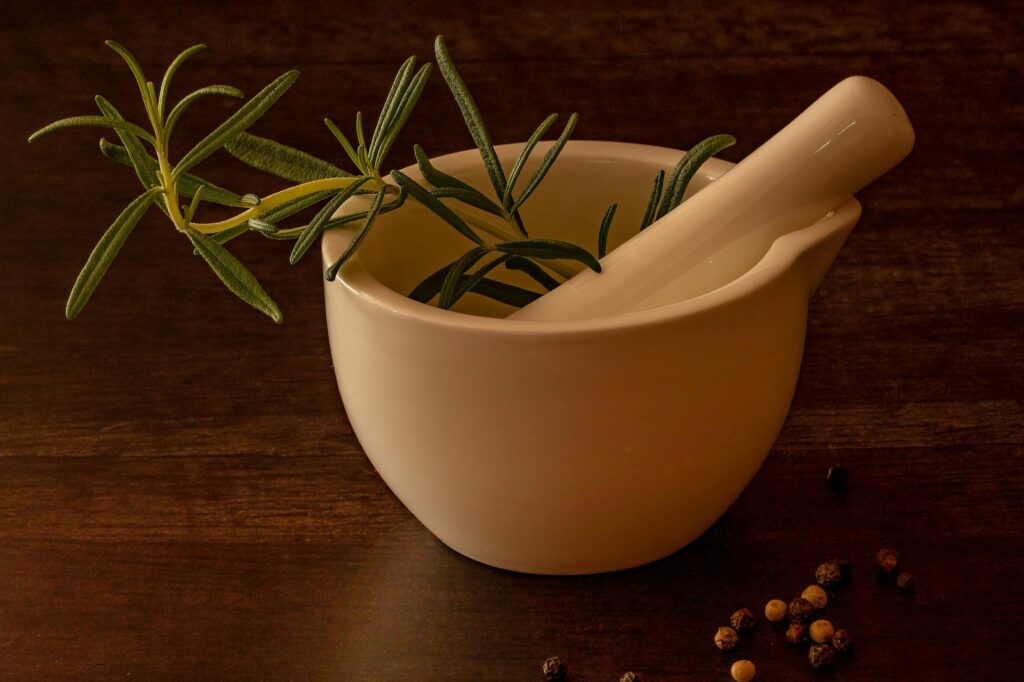
Rosemary Around the World
Introduction
Rosemary (Rosmarinus officinalis) is a perennial herb renowned for its fragrant aroma and distinctive flavor. It has long been a staple in culinary traditions, especially in Mediterranean cuisine, but its appeal extends far beyond regional borders. This article explores the various regions where rosemary thrives, its historical significance, production methods, quality grading, and its multifaceted uses around the globe.
What Is Regions?
In the context of rosemary, “regions” refers to the geographical areas where this herb is cultivated, as well as the cultural practices and environmental conditions that influence its growth and use. Rosemary is native to the Mediterranean region, but it has found a home in various climates around the world, adapting to diverse agricultural practices and culinary applications. Understanding these regions provides insights into the herb’s flavor profiles, growing conditions, and culinary significance.
History and Origins
Rosemary’s rich history can be traced back to ancient civilizations. It is believed to have originated in the Mediterranean basin, where it flourished in the warm, sunny climates. The herb was highly regarded by the Egyptians, who used it in embalming rituals, and by the Greeks and Romans, who considered it a symbol of remembrance and fidelity. Rosemary was often associated with weddings and funerals, reflecting its dual significance in life’s celebrations and solemn moments.
As trade routes expanded, rosemary spread to various parts of Europe and beyond. By the Middle Ages, it was commonly used in European cooking and herbal medicine. The plant’s adaptability allowed it to thrive in diverse climates, leading to its cultivation in regions such as North America, South America, and Australia.
Production and Processing
The cultivation of rosemary requires specific environmental conditions to achieve optimal growth. It thrives in well-drained soils with a pH of 6.0 to 7.0 and prefers full sunlight. In Mediterranean regions such as Italy, Spain, and France, rosemary is often grown in fields or gardens, where the dry climate supports its growth.
Once harvested, rosemary undergoes various processing methods. Fresh rosemary is typically stripped of its leaves and used immediately, while dried rosemary is often crushed or ground for convenience. The drying process can impact the herb’s flavor and aroma, with air-drying being the preferred method to preserve its essential oils. Essential oils extracted from rosemary are also popular in aromatherapy and cosmetics, highlighting the herb’s versatility beyond culinary uses.
Quality and Grading
The quality of rosemary is determined by several factors, including freshness, aroma, color, and flavor intensity. Fresh rosemary should have vibrant green leaves and a strong, pine-like scent. Dried rosemary should be stored in airtight containers away from light and moisture to maintain its potency.
Grading systems for rosemary may vary by region, but common indicators of quality include:
- Grade A: Fresh, vibrant leaves with high essential oil content.
- Grade B: Slightly wilted or less aromatic, but still suitable for culinary use.
- Grade C: Dried and often ground, this grade may lack the potency of higher grades but can still be used in cooking.
- Mediterranean Cuisine: Commonly used in roasted meats, stews, and focaccia.
- Italian Dishes: Integral in marinades, pasta, and sauces, enhancing the flavor profile of traditional meals.
- French Cooking: A key component in bouquet garni, rosemary is often used in soups and stocks.
- American Barbecue: Rosemary is used to infuse marinades and as a seasoning for grilled meats.
Buyers should be mindful of these grades when selecting rosemary, whether fresh or dried, to ensure they are getting a quality product that meets their culinary needs.
Buying Considerations
When purchasing rosemary, several factors should be taken into account:
1. Form: Decide between fresh, dried, or essential oil forms. Fresh rosemary is preferable for flavor, while dried rosemary has a longer shelf life.
2. Source: Opt for organic or locally sourced rosemary when possible. This can enhance flavor and reduce exposure to pesticides.
3. Packaging: Check packaging for air-tight seals and expiration dates. Dried rosemary should be stored in dark, cool conditions to maintain quality.
4. Aroma and Appearance: Fresh rosemary should be aromatic and vibrant, while dried rosemary should have a strong scent and not appear faded or discolored.
5. Sustainability: Consider buying from sustainable sources to support environmentally friendly agricultural practices.
Uses and Applications
Rosemary’s applications extend well beyond the kitchen. While it is a staple in Mediterranean cuisine—often used to season meats, vegetables, and breads—it also finds a place in various cultural dishes around the world:
In addition to culinary uses, rosemary is also employed in cosmetics, aromatherapy, and herbal remedies. Its essential oil is valued for its invigorating properties, often used in hair care products and as a natural preservative.
Storage and Shelf Life
Proper storage is essential for maintaining the quality of rosemary. Fresh rosemary should be kept in the refrigerator, either wrapped in a damp paper towel or stored in a container with water to prolong freshness. Typically, fresh rosemary lasts about one to two weeks under optimal conditions.
Dried rosemary, on the other hand, should be stored in an airtight container away from light, heat, and moisture. When properly stored, dried rosemary can maintain its flavor for up to three years, although its potency may diminish over time.
Common Misconceptions
Despite its popularity, there are several misconceptions surrounding rosemary:
1. Rosemary and Pine: Some believe rosemary has a similar flavor profile to pine. While both have a woody aroma, rosemary has a more complex flavor with hints of citrus and lavender.
2. Fresh vs. Dried: Many cooks think dried rosemary can be used interchangeably with fresh without adjustment. Dried