
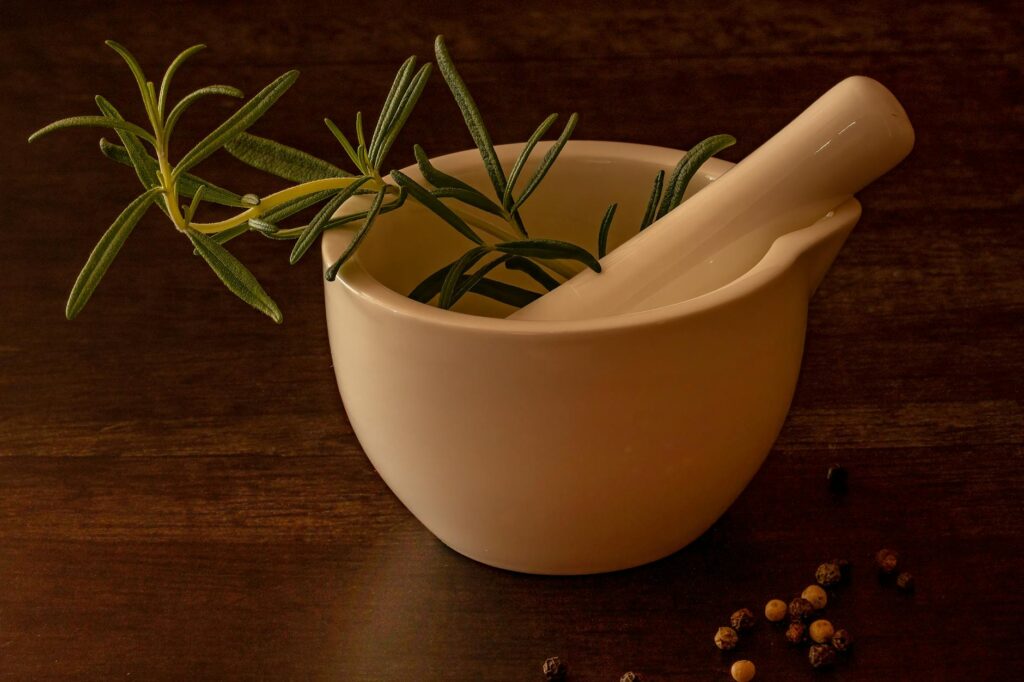
Rosemary FAQs Answered
Introduction
Rosemary (Rosmarinus officinalis) is a fragrant, evergreen herb that has captured the attention of chefs, herbalists, and home cooks alike for centuries. With its distinctive aroma and needle-like leaves, rosemary is not only a staple in culinary practices but also a subject of fascination in various cultural traditions. This article aims to provide a comprehensive overview of rosemary, addressing its history, production, uses, and common misconceptions to enrich your understanding of this versatile herb.
What Is Guides?
In the context of culinary herbs, “guides” refer to structured resources that provide in-depth information about specific ingredients. These guides aim to educate readers on various aspects of an ingredient, from its origins and processing methods to its applications in cooking and beyond. For rosemary, guides serve as a valuable tool for anyone seeking to enhance their culinary repertoire or deepen their appreciation for this aromatic herb.
History and Origins
Rosemary has a rich history that dates back to ancient civilizations. Believed to have originated in the Mediterranean region, its name is derived from the Latin “ros marinus,” meaning “dew of the sea.” Ancient Greeks and Romans revered rosemary for its association with memory and fidelity; it was often used in weddings and funerals as a symbol of remembrance. The herb was also incorporated into traditional medicine and is mentioned in various historical texts.
During the Middle Ages, rosemary gained popularity in Europe, where it was used not only for culinary purposes but also as a preservative for meats. Its aromatic qualities made it a valuable ingredient in potpourris and perfumes. Today, rosemary’s popularity has transcended borders, finding its way into cuisines around the world.
Production and Processing
Rosemary thrives in well-drained soil and prefers a sunny climate, making it a common sight in Mediterranean gardens. It is typically cultivated from cuttings or seeds, with the former being the more reliable method for producing high-quality plants. The harvesting period occurs throughout the growing season, with the leaves best collected just before the plant flowers, as this is when their essential oils are most potent.
After harvesting, rosemary undergoes minimal processing to retain its natural flavor and aroma. Fresh rosemary can be used immediately or dried for long-term storage. Drying is often accomplished through air drying or using dehydrators, with the latter method preserving the herb’s essential oils more effectively. Once dried, rosemary should be stored in airtight containers away from light and moisture to maintain its quality.
Quality and Grading
The quality of rosemary is influenced by various factors, including its cultivation conditions, harvesting techniques, and processing methods. When evaluating rosemary, whether fresh or dried, several criteria come into play:
1. Aroma: Fresh rosemary should have a robust, pine-like aroma, while dried rosemary should retain a strong scent, albeit slightly less intense.
2. Color: Fresh leaves should be vibrant green, whereas dried leaves should exhibit a greenish-brown hue without signs of fading or discoloration.
3. Texture: Fresh rosemary leaves should be firm and pliable, while dried leaves should be brittle but not overly crumbled.
Grading systems for rosemary can vary, but premium quality is often indicated by the herb’s freshness, aroma, and overall appearance. Organic certifications may also be a consideration for those focused on sustainable and chemical-free practices.
Buying Considerations
When purchasing rosemary, several factors should be taken into account to ensure you select the best product for your needs:
1. Fresh vs. Dried: Fresh rosemary is ideal for immediate use, offering vibrant flavor and aroma. Dried rosemary, while more convenient for storage, may have a slightly muted flavor.
2. Form: Rosemary is available in various forms, including whole sprigs, loose leaves, and ground powder. Whole sprigs are often preferred for their potency, while ground rosemary can be useful in spice blends.
3. Source: Opt for organic or sustainably sourced rosemary when possible. This not only supports ethical farming practices but also ensures a higher quality product.
4. Packaging: For dried rosemary, check the packaging for an expiration date or “best by” date. Airtight containers are preferable to maintain freshness.
5. Supplier Reputation: Buy from reputable suppliers or specialty stores that emphasize quality and freshness. This is particularly important for dried herbs, as many mass-produced options may lack flavor.
Uses and Applications
Rosemary is a versatile herb with a wide range of culinary applications. Its robust flavor profile complements various dishes, enhancing not only meats but also vegetables and grains. Here are some common uses:
1. Culinary: Rosemary is well-suited for roasted meats, particularly lamb and chicken, as its bold flavor can stand up to rich proteins. It also pairs beautifully with root vegetables, potatoes, and legumes.
2. Infusions: Rosemary can be used to infuse oils, vinegars, or even spirits, imparting its distinctive flavor to dressings and marinades.
3. Baking: The herb can add an unexpected twist to bread and pastry recipes, contributing an aromatic quality that complements sweet and savory baked goods.
4. Flavoring Agents: Rosemary is often included in spice blends and marinades, where its aromatic properties can enhance the overall flavor profile of a dish.
5. Garnishing: Fresh sprigs of rosemary can be used as a garnish, not only adding visual appeal but also a burst of fresh aroma.
Storage and Shelf Life
Proper storage is essential for maintaining the quality and flavor of rosemary, whether fresh or dried.
- Fresh Rosemary: Store fresh rosemary in the refrigerator wrapped in a damp paper towel and placed inside a plastic bag. This method can keep it fresh for up to two weeks. Alternatively, fresh rosemary can be placed upright in a glass of water like a bouquet, covered loosely with a plastic bag, and stored in the fridge.
- Dried Rosemary: Store dried rosemary in a cool, dark place in an airtight container. When stored properly, dried rosemary can retain its flavor for up to three years, although its potency may diminish over time.
Regularly check both fresh and dried rosemary for signs of spoilage, such as discoloration or a loss of aroma, and discard any compromised products.
Common Misconceptions
Despite its popularity, several misconceptions about rosemary persist:
1. Rosemary Is Only for Meat Dishes: While rosemary is often associated with meats, it can enhance a wide variety of dishes, including vegetarian options and baked goods.
2. All Rosemary Is the Same: There are several varieties of rosemary, each with unique flavor profiles and aromatic qualities. Common types include ‘Tuscan Blue’ and ‘Prostrate,’ each offering different nuances in cooking.
3. Fresh Rosemary Is Always Better: While fresh rosemary has its advantages, dried rosemary can offer concentrated flavor and convenience, especially in long-cooked dishes.
4. Rosemary Can Be Used Indiscriminately: Rosemary’s strong flavor can overwhelm a dish if used excessively. It’s essential to balance its use with other ingredients to maintain harmonious flavor profiles.
5. Dried Rosemary Loses All Nutrients: While some volatile oils may diminish during drying, dried rosemary still retains many of its beneficial compounds.
Frequently Asked Questions (6 FAQs)
1. Can I grow rosemary indoors?
Yes, rosemary can be grown indoors as long as it receives adequate sunlight—ideally six to eight hours per day. A sunny windowsill can be an ideal location. Be sure to use well-draining soil and avoid overwatering.
2. How do I use rosemary in drinks?
Rosemary can be a delightful addition to various beverages. It can be infused into teas or cocktails, such as gin and tonic or spritzers, to add an aromatic complexity. Simply steep fresh sprigs in hot water or muddle them into your drink.
3. What are the culinary differences between fresh and dried rosemary?
Fresh rosemary generally has a more potent aroma and flavor than dried. When substituting dried for fresh, use about one-third the amount, as dried herbs are more concentrated. However, fresh rosemary is preferred in dishes where its texture and aroma can shine.
4. Does rosemary have any culinary pairings I should consider?
Rosemary pairs well with various ingredients, including garlic, lemon, olive oil, and other herbs such as thyme and oregano. Its strong flavor complements roasted meats, grilled vegetables, and hearty grains.
5. How can I tell if dried rosemary has gone bad?
Dried rosemary typically remains usable for up to three years if stored properly. Signs that it has gone bad include a significant loss of aroma, a faded color, or mold. If in doubt, it’s best to replace it.
6. Can rosemary be used in desserts?
Absolutely! Rosemary can add an intriguing flavor to desserts like cakes, cookies, and syrups. Its aromatic profile can enhance flavors such as lemon, chocolate, and berries when used judiciously.
In conclusion, rosemary is a multifaceted herb that has stood the test of time, making it a cherished ingredient in both traditional and contemporary cooking. Understanding its history, uses, and storage will help you appreciate the depth it can bring to your culinary experiences. Whether you are a seasoned chef or an enthusiastic home cook, rosemary is a worthy addition to your culinary arsenal.