
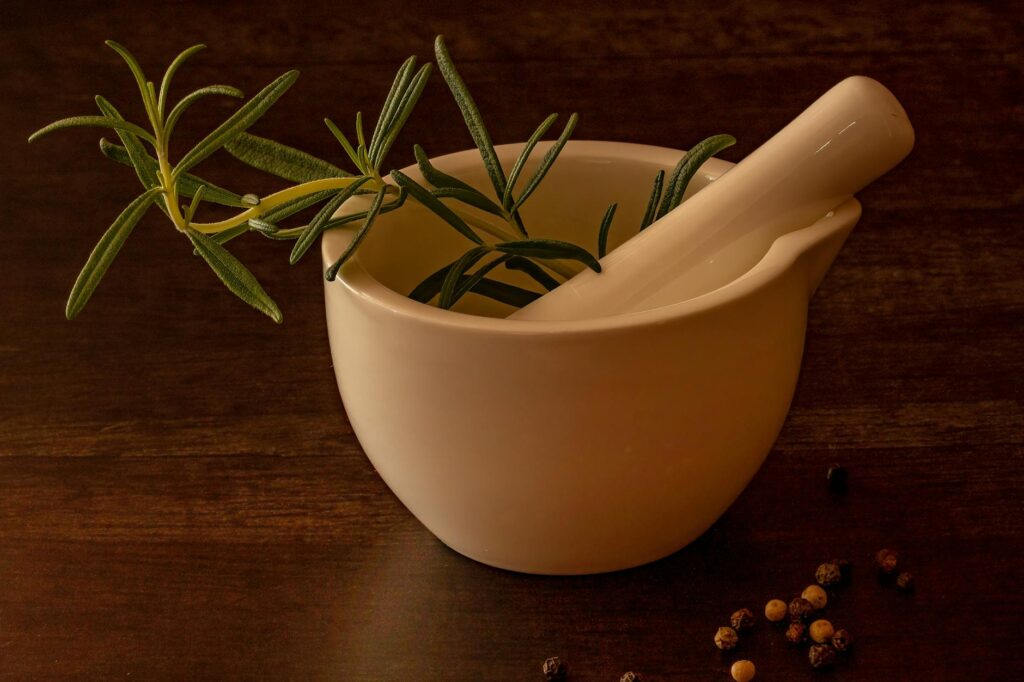
Rosemary Grading Explained
Introduction
Rosemary (Rosmarinus officinalis) is a fragrant herb that has been cherished for centuries, not only for its culinary applications but also for its aromatic properties. As a key ingredient in various cuisines and a staple in herbal medicine, understanding how to buy and grade rosemary is essential for anyone looking to elevate their culinary experience. This article delves into the intricacies of buying rosemary, from its origins and production to quality grading and storage, ensuring that you make informed decisions when selecting this versatile herb.
What Is Buying?
In the context of food ingredients, “buying” encompasses the processes and considerations involved in acquiring products for use, whether in a home kitchen, restaurant, or food production facility. This includes understanding the quality, grade, and source of the ingredient, as well as assessing its freshness, flavor profile, and potential applications in cooking. For rosemary, buying is particularly significant due to the herb’s varying qualities, which can affect the taste and aroma of dishes.
History and Origins
Rosemary’s history stretches back thousands of years, with its origins believed to be in the Mediterranean region. The herb has been used since ancient times, appearing in culinary texts as well as in rituals and traditional medicine. Ancient Greeks and Romans used rosemary not only for its flavor but also as a symbol of remembrance, often associated with memory enhancement.
As trade routes expanded, rosemary spread throughout Europe and beyond, adapting to various climates and culinary traditions. Today, it is cultivated worldwide, with significant production in countries like Spain, Turkey, and the United States. Its rich history contributes to its revered status in kitchens and gardens alike.
Production and Processing
The production of rosemary involves several critical steps, from cultivation to harvesting and processing.
Cultivation
Rosemary thrives in well-drained, sandy soil and requires full sunlight for optimal growth. The plant can be propagated from seeds or cuttings, with cuttings being the preferred method for commercial production. Rosemary plants typically take about a year to mature before they can be harvested.
Harvesting
Harvesting rosemary is a delicate process, as the leaves can be easily bruised, which affects their quality. The best time for harvesting is just before the plant flowers, as this is when the essential oils are most concentrated. Careful handling during this stage is vital to maintain the integrity of the leaves.
Processing
Once harvested, rosemary must be processed quickly to preserve its freshness. The leaves can be used fresh, dried, or distilled for essential oils. Drying rosemary is a common practice that enhances its shelf life while concentrating its flavor. The drying process should be done in a well-ventilated area away from direct sunlight to prevent the loss of volatile oils.
Quality and Grading
The quality of rosemary can vary significantly based on several factors, including its origin, method of cultivation, and processing techniques. Understanding these distinctions is essential for grading the herb.
Visual Assessment
High-quality rosemary should have vibrant green leaves with a fresh, aromatic scent. Dull, yellowing, or brittle leaves may indicate age or poor storage conditions. The leaves should also be intact; broken or crumbled leaves can suggest lower quality or improper handling.
Aroma and Flavor
The aroma of rosemary is a critical component of its quality. Fresh rosemary should have a robust, pine-like fragrance with hints of citrus and earthiness. When dried, high-quality rosemary retains much of its essential oil content, providing a potent aroma and flavor.
Grading Systems
While there is no universally accepted grading system for rosemary, many suppliers and producers utilize their own standards. These can range from “Grade A” for the freshest and most aromatic leaves to lower grades that may be less flavorful and aromatic. When purchasing, look for terms like “certified organic” or “premium quality,” which often indicate a higher standard of production.
Buying Considerations
When purchasing rosemary, whether fresh or dried, several factors should be considered to ensure you select the highest quality:
Fresh vs. Dried
Fresh rosemary offers a more intense flavor and aroma compared to its dried counterpart. However, dried rosemary is often more convenient and has a longer shelf life. Consider your intended use; fresh rosemary is ideal for marinades or garnishes, while dried rosemary works well in slow-cooked dishes.
Source and Sustainability
Knowing the source of your rosemary can impact its quality and sustainability. Organic farming practices can lead to higher quality herbs with fewer pesticides, while locally sourced rosemary may have a fresher flavor due to shorter transport times. Look for suppliers who prioritize sustainable cultivation methods.
Packaging
Pay attention to packaging when buying dried rosemary. Ideally, it should be stored in airtight containers to protect it from moisture and light, both of which can degrade its quality. If purchasing fresh rosemary, look for bunches that are well-hydrated and free from wilting.
Uses and Applications
Rosemary is a versatile herb with a wide array of culinary applications.
Culinary Uses
In cooking, rosemary is commonly used to flavor meats, poultry, and fish. It pairs well with roasted vegetables, breads, and even certain desserts. Its robust flavor holds up well in long cooking processes, making it a favorite for stews and marinades.
Non-Culinary Uses
Beyond the kitchen, rosemary is also used in aromatherapy and as a natural fragrance in cosmetics. Its essential oil is popular in the beauty industry and can be found in products aimed at promoting relaxation and enhancing focus.
Storage and Shelf Life
The storage conditions of rosemary significantly affect its shelf life and quality.
Fresh Rosemary
Fresh rosemary can be stored in the refrigerator, ideally wrapped in a slightly damp paper towel and placed in a plastic bag. This method can keep it fresh for up to two weeks. Alternatively, fresh rosemary can be preserved by freezing or drying.
Dried Rosemary
Dried rosemary should be stored in an