
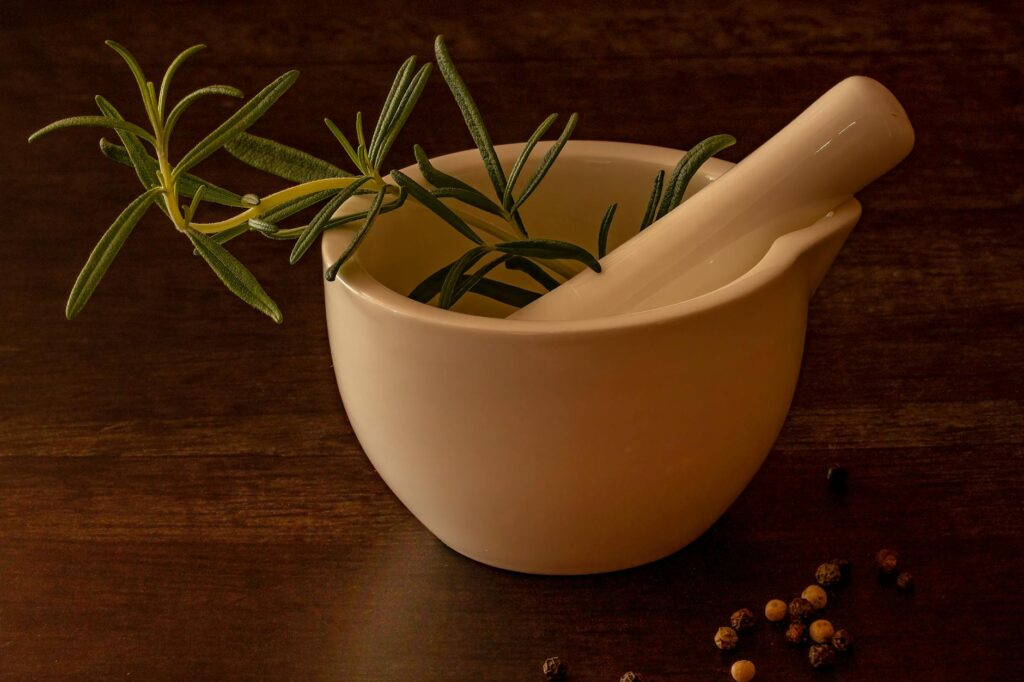
Rosemary Growing Guide Part 6
Introduction
Rosemary (Salvia rosmarinus) is a fragrant, evergreen herb belonging to the mint family, Lamiaceae. Known for its needle-like leaves and woody stems, rosemary has been cherished for centuries, not only for its culinary applications but also for its aromatic qualities. This guide delves into the intricacies of growing rosemary, focusing on its history, production, quality assessment, and storage considerations, ensuring that both amateur gardeners and seasoned horticulturists maximize their experience with this versatile herb.
What Is Growing?
“Growing” refers to the process of cultivating plants from seeds or cuttings until they reach maturity, facilitating their development into a usable form. When it comes to rosemary, growing involves understanding its specific environmental needs, growth habits, and care requirements. This herb thrives in well-drained soil, requires adequate sunlight, and benefits from proper watering and fertilization techniques. Successful cultivation translates to robust plants that yield aromatic leaves rich in flavor and essential oils.
History and Origins
Rosemary has a rich historical backdrop, tracing its origins to the Mediterranean region, particularly in areas like Spain, Italy, and Greece. The plant has been revered since antiquity, symbolizing remembrance and fidelity. Ancient Greeks and Romans often used rosemary in religious ceremonies, believing it could enhance memory and cognitive functions. In medieval times, it was used as a protective charm against evils and diseases.
The name “rosemary” is derived from Latin, translating to “dew of the sea,” a nod to its coastal origins. Today, rosemary is cultivated worldwide, adapting to various climates while retaining its essential characteristics. Its historical significance extends beyond culinary use; rosemary has also been a focal point in literature, art, and folklore, further embedding it into cultural traditions.
Production and Processing
Growing rosemary is a relatively straightforward process, but it requires attention to detail to ensure a successful yield.
Site Selection
Choosing the right location is paramount for rosemary cultivation. The plant flourishes in sunny spots with well-draining soil. Ideally, rosemary should receive at least six to eight hours of direct sunlight each day. In areas with high humidity or excessive rainfall, raised beds or containers can be beneficial to promote drainage.
Soil Requirements
Rosemary prefers sandy or rocky soils with a pH level between 6.0 and 7.0. Amending the soil with organic compost can enhance fertility while maintaining drainage. Avoid heavy clay soils, as they retain moisture and can lead to root rot.
Planting
Rosemary can be propagated through seeds, cuttings, or nursery plants. If starting from seed, sow them indoors 10-12 weeks before the last frost, or directly into the garden once conditions permit. For cuttings, take healthy stems in spring or early summer, allowing them to root in moist soil before transplanting.
Watering and Fertilization
Once established, rosemary is drought-tolerant, needing minimal watering. Overwatering can be detrimental, leading to root issues. During the growing season, a balanced, slow-release fertilizer can be applied to support growth. Reduce fertilization in the fall as the plant enters dormancy.
Pest and Disease Management
Pests such as aphids and spider mites can occasionally affect rosemary plants. Regular monitoring and the introduction of beneficial insects can help manage these pests naturally. Fungal diseases can arise from overly moist conditions, so proper spacing and airflow are vital.
Quality and Grading
The quality of rosemary is influenced by various factors, including the plant’s growing conditions, harvesting techniques, and post-harvest handling.
Harvesting
Rosemary can be harvested once the plants are well-established, typically after the first year. The best time to harvest is in the morning when the essential oils are most concentrated. Use clean, sharp scissors to cut stems, ensuring that you leave enough foliage for the plant to continue thriving.
Grading
Quality grading of rosemary typically involves assessing its freshness, aroma, and appearance. High-quality rosemary will have vibrant green leaves with a strong, pungent aroma. Any signs of browning or wilting indicate inferior quality. For dried rosemary, the color should be a deep green or grey-green, with no signs of fading or dust.
Buying Considerations
When purchasing rosemary, whether fresh or dried, several factors should be considered for optimal quality.
Fresh Rosemary
Look for fresh rosemary with firm, intact leaves and a robust scent. Avoid any bunches that appear wilted, discolored, or have signs of decay. Fresh rosemary is typically sold in bunches or as potted plants, which can be a viable option for home cultivation.
Dried Rosemary
For dried rosemary, check the packaging for an intact seal and an expiration date. The herb should be stored in a cool, dark place to maintain its flavor and aroma. Opt for organic varieties when possible to avoid pesticides and other chemicals.
Specialty Varieties
There are several cultivars of rosemary, each with unique flavors and characteristics. For culinary purposes, consider varieties like ‘Tuscan Blue’ or ‘Arp’ which are known for their robust flavor profiles. If growing for ornamental purposes, ‘Blue Spires’ or ‘Prostratus’ offer appealing aesthetics.
Uses and Applications
Rosemary’s versatility extends beyond the kitchen, making it a valuable ingredient in various sectors.
Culinary Uses
In culinary applications, rosemary is often used to flavor meats, vegetables, and sauces. Its robust aroma enhances dishes like roasted lamb, chicken, and potatoes. Fresh rosemary can also be infused in oils or vinegars for a flavorful addition to dressings.
Aromatherapy and Fragrance
The essential oils extracted from rosemary are popular in aromatherapy, believed to promote clarity and concentration. These oils are also used in the production of perfumes, soaps, and candles, capitalizing on rosemary’s aromatic qualities.
Ornamental Uses
In landscaping, rosemary