
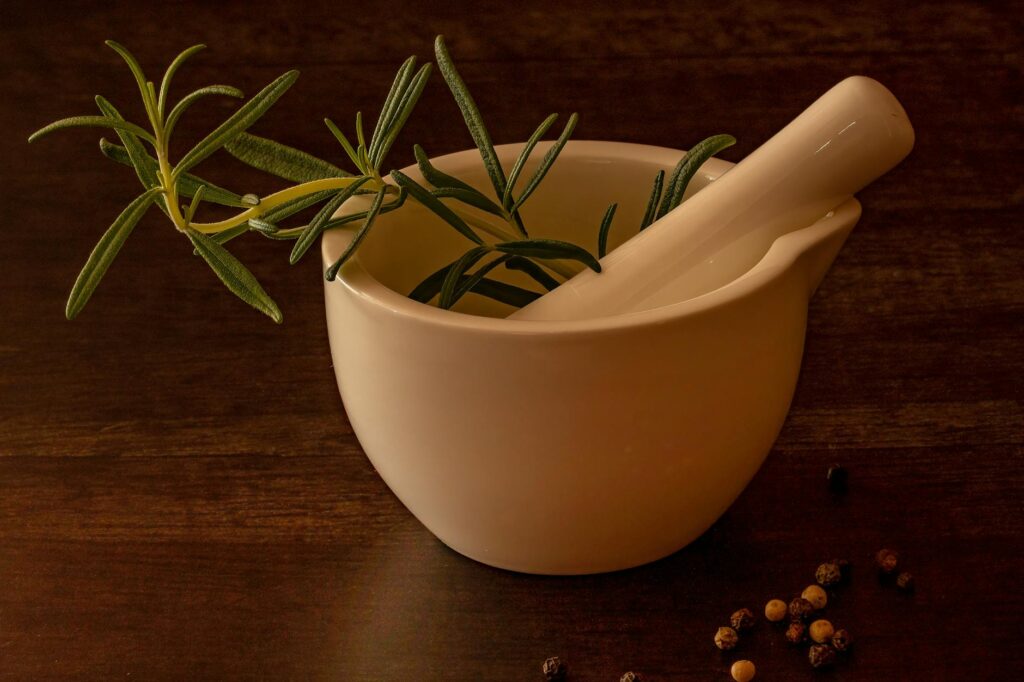
Rosemary Growing Guide Part 7
Introduction
Rosemary (Rosmarinus officinalis) is a cherished herb known for its aromatic qualities and versatile culinary applications. This Mediterranean native thrives in warm climates, making it a popular choice for home gardeners and commercial cultivators alike. In this comprehensive guide, we delve into the nuances of growing rosemary, from understanding its historical roots to exploring its myriad uses, ensuring that you are well-equipped to cultivate this exceptional herb.
What Is Growing?
Growing refers to the process of nurturing plants from seeds or cuttings until they reach maturity. In the context of rosemary, this encompasses a range of activities, including selecting the right variety, preparing the soil, planting, watering, and providing adequate care throughout the plant’s life cycle. The goal is to foster an environment that promotes healthy growth, leading to robust plants that yield aromatic foliage and, in some cases, flowers.
History and Origins
Rosemary has a rich history steeped in tradition and symbolism. Native to the Mediterranean region, it has been used for thousands of years, not only as a culinary herb but also for its aromatic properties in religious and cultural practices. Ancient Greeks and Romans revered rosemary, often associating it with remembrance and fidelity. It was commonly used to adorn wedding ceremonies and funerals, symbolizing love and remembrance.
The herb was introduced to various parts of the world during the Age of Exploration, where it adapted well to different climates. Today, rosemary is cultivated globally, with significant production in countries such as Spain, Italy, and Morocco, where its essential oils are extracted for various applications.
Production and Processing
The production of rosemary primarily involves cultivation in well-drained, sandy soils with plenty of sunlight. It can be grown from seeds, cuttings, or transplants, with cuttings being the most common method for commercial production due to their reliability and speed of establishment.
Once harvested, rosemary is often processed into dried herbs or essential oils. The drying process requires careful handling to preserve the plant’s aromatic compounds, typically achieved through air drying or using dehydrators. Essential oils are extracted through steam distillation, providing a concentrated form of rosemary’s flavor and fragrance, which is used in food, cosmetics, and aromatherapy.
Quality and Grading
Quality in rosemary is determined by several factors, including aroma, color, and moisture content. High-quality rosemary should have a strong, fresh scent and vibrant green leaves, indicating that it was harvested at the right time and stored properly.
Grading systems may vary by region, but generally, rosemary can be classified into different grades based on its essential oil content and overall appearance. Higher grades are often used for culinary purposes, while lower grades may be utilized in industrial applications.
Buying Considerations
When purchasing rosemary, whether as a live plant or dried herb, several factors should be considered:
1. Freshness: Look for vibrant green leaves and avoid any signs of wilting or browning.
2. Source: Opt for organically grown rosemary when possible, as this minimizes exposure to pesticides and other chemicals.
3. Form: Decide whether you need fresh, dried, or essential oil. Fresh rosemary is ideal for culinary uses, while dried rosemary is suitable for long-term storage.
4. Packaging: Ensure that dried rosemary is stored in airtight containers and kept away from light to maintain its quality.
Understanding these considerations helps ensure that you are selecting the best rosemary for your needs.
Uses and Applications
Rosemary is one of the most versatile herbs in the culinary world. Its robust flavor profile complements a variety of dishes, making it a staple in Mediterranean cuisine. Common culinary uses include:
- Seasoning: Rosemary enhances meats, poultry, and fish. Its strong flavor holds up well during cooking and roasting.
- Infusion: The herb is often used to infuse oils and vinegars, imparting its distinctive flavor to dressings and marinades.
- Garnish: Fresh sprigs of rosemary add visual appeal and aromatic qualities to finished dishes.
Beyond the kitchen, rosemary has applications in the cosmetic and fragrance industries. Its essential oil is popular in aromatherapy and is used in various personal care products due to its invigorating scent.
Storage and Shelf Life
Proper storage is crucial for maintaining the quality of rosemary. Fresh rosemary should be stored in the refrigerator, ideally wrapped in a damp paper towel and placed in a plastic bag. This can extend its freshness up to two weeks.
Dried rosemary should be kept in a cool, dark place in an airtight container. When stored correctly, dried rosemary can retain its flavor for up to six months. However, for the best taste, it is advisable to use it within three months of opening the package.
Essential oils of rosemary should be stored in dark glass bottles away from direct sunlight to preserve their potency. When stored properly, these oils can last for several years.
Common Misconceptions
1. Rosemary Is Only for Cooking: While primarily known as a culinary herb, rosemary also has applications in aromatherapy and cosmetics, making it much more versatile than often perceived.
2. All Rosemary Varieties Are the Same: There are several varieties of rosemary, each with distinct flavor profiles and growth habits. Choosing the right variety can significantly affect culinary outcomes.
3. Dried Rosemary Is Inferior to Fresh: Although fresh rosemary has a more potent flavor, dried rosemary can still be high-quality and flavorful if stored correctly.
Understanding these misconceptions can help both novice and seasoned herb enthusiasts appreciate rosemary’s full potential.
Frequently Asked Questions
1. How much sunlight does rosemary need?
Rosemary thrives in full sun, requiring at least six to eight hours of direct sunlight daily. Insufficient light can lead to weak, leggy growth.
2. Can rosemary be grown indoors?
Yes, rosemary can be grown indoors if it receives adequate light, ideally from a