
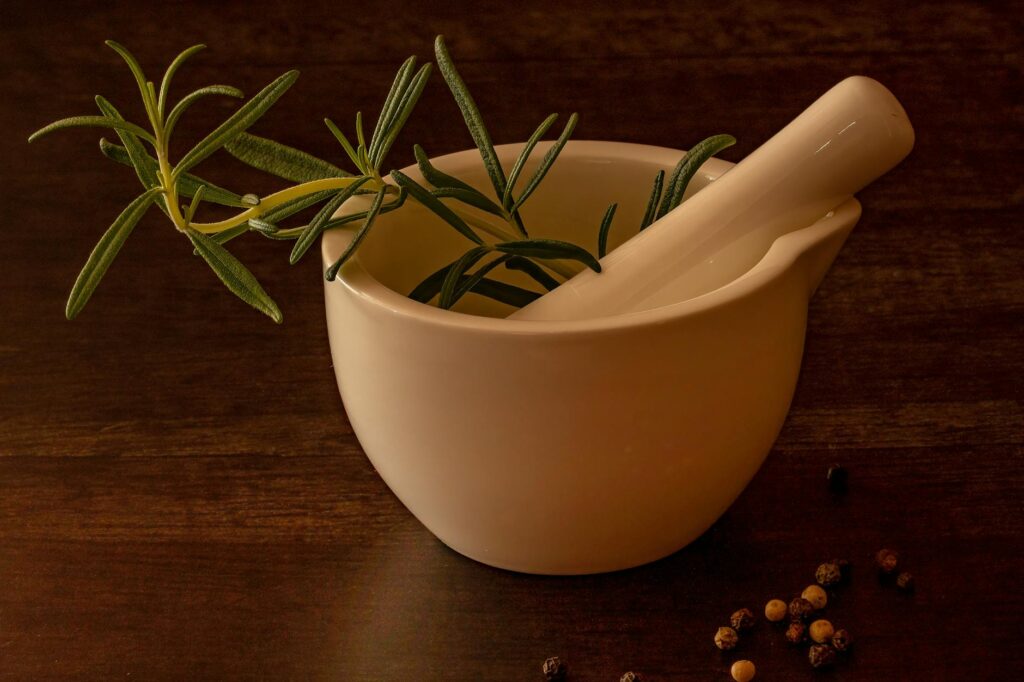
Rosemary in Traditional Cuisine
Introduction
Rosemary (Rosmarinus officinalis) is a perennial herb native to the Mediterranean region, renowned for its aromatic leaves and distinct flavor profile. Traditionally, this herb has served not only as a culinary ingredient but also as a symbol of remembrance and fidelity. Its unique taste adds depth to a variety of dishes, and its rich history weaves a narrative that spans cultures and centuries. This article delves into the uses of rosemary in traditional cuisine, exploring its history, production, applications, and more.
What Is Uses?
In the context of food ingredients, “uses” refers to the various applications and roles that an ingredient can play in culinary practices. This encompasses everything from flavoring and enhancing dishes to serving as a preservative or a component of a specific cuisine’s identity. In the case of rosemary, its uses are diverse and multifaceted, making it a vital ingredient in many traditional dishes around the globe.
History and Origins
Rosemary has a storied history that dates back thousands of years. It is believed to have originated in the Mediterranean basin, where it thrived in the warm, dry climate. Ancient civilizations, including the Greeks and Romans, revered rosemary for its aromatic properties and used it in religious ceremonies, medicinal practices, and culinary applications.
The Greeks often associated rosemary with memory, using it during examinations to enhance cognitive function. Meanwhile, the Romans utilized rosemary in their kitchens and as a flavoring agent in wine and various dishes. Over the centuries, rosemary spread across Europe and beyond, becoming a staple in many traditional cuisines.
In addition to its culinary uses, rosemary has been linked to folklore and symbolism. It is often seen as a symbol of fidelity and remembrance, particularly in wedding ceremonies.
Production and Processing
Rosemary is typically cultivated in sunny, well-drained soils, thriving in temperate climates. It is primarily grown in countries like Spain, Italy, and Morocco, where the climate is conducive to its growth.
Harvesting rosemary usually occurs in late spring to early summer when the leaves are at their most flavorful. The leaves are picked by hand or with specialized machinery, ensuring that the plant is not damaged in the process. After harvesting, rosemary can be used fresh or dried. Fresh rosemary has a more intense flavor, while dried rosemary provides a more concentrated taste.
Processing rosemary involves drying the leaves at low temperatures to retain their essential oils. Once dried, rosemary can be stored for long periods, allowing its flavor to be enjoyed year-round.
Quality and Grading
The quality of rosemary is determined by several factors, including aroma, flavor, appearance, and moisture content. High-quality rosemary should have a strong, aromatic scent and vibrant green leaves, free from signs of wilting or discoloration.
When purchasing dried rosemary, consumers should look for whole leaves rather than ground rosemary, as whole leaves retain flavor better and are less likely to lose their potency over time.
Grading systems for rosemary are not as standardized as they are for other herbs and spices. However, premium rosemary is often labeled based on its country of origin and cultivation method, such as organic or wildcrafted.
Buying Considerations
When buying rosemary, several factors should be considered to ensure the best quality product:
1. Form: Choose between fresh, dried, or powdered forms based on your culinary needs. Fresh rosemary is ideal for roasting and grilling, while dried rosemary can be used in stews and marinades.
2. Source: Look for reputable brands or local producers known for high-quality herbs. Organic options may be preferable for those concerned about pesticides.
3. Appearance: Check the leaves for vibrant color and avoid any packages with browning or wilting leaves.
4. Aroma: Fresh rosemary should have a strong, aromatic scent. If purchasing dried rosemary, take a moment to smell the package to ensure freshness.
5. Packaging: Opt for herbs packaged in airtight containers to preserve their flavor and aroma.
6. Labeling: Pay attention to labeling that indicates the country of origin and whether the product is organic.
Uses and Applications
Rosemary is a versatile herb that finds its way into a multitude of culinary applications. Its robust flavor profile pairs well with a variety of ingredients and dishes across numerous cuisines:
Culinary Applications
1. Meats: Rosemary is famously paired with lamb, chicken, and pork, enhancing the natural flavors of these meats. Its aromatic qualities complement roasted and grilled preparations, infusing the dishes with a fragrant essence.
2. Vegetables: The herb adds depth to roasted vegetables, particularly root vegetables such as potatoes, carrots, and parsnips. A sprinkle of rosemary can elevate the taste of simple vegetable dishes.
3. Soups and Stews: Rosemary is often included in hearty soups and stews, imparting a savory depth that complements broths and stocks.
4. Breads and Pastries: In Mediterranean regions, rosemary is used in various bread recipes, adding flavor and aroma. It can also be found in savory pastries and focaccia.
5. Infused Oils and Vinegars: Rosemary can be used to create infused oils and vinegars, enhancing salads and marinades with its distinctive flavor.
6. Beverages: The herb is sometimes used in cocktails and infusions, offering a unique twist to traditional drinks.
Preservation and Flavor Enhancement
Rosemary contains natural antioxidants, making it a popular choice for flavoring and preserving foods. Its essential oils can inhibit the growth of certain microbes, making it suitable for use in marinades and brines.
Cultural Significance
In various cultures, rosemary is more than just a culinary ingredient; it holds cultural and symbolic significance. In Italy, it is often associated with weddings and remembrance, while in Greek culture, it is linked to memory and learning.
Storage and Shelf Life
Proper storage is