
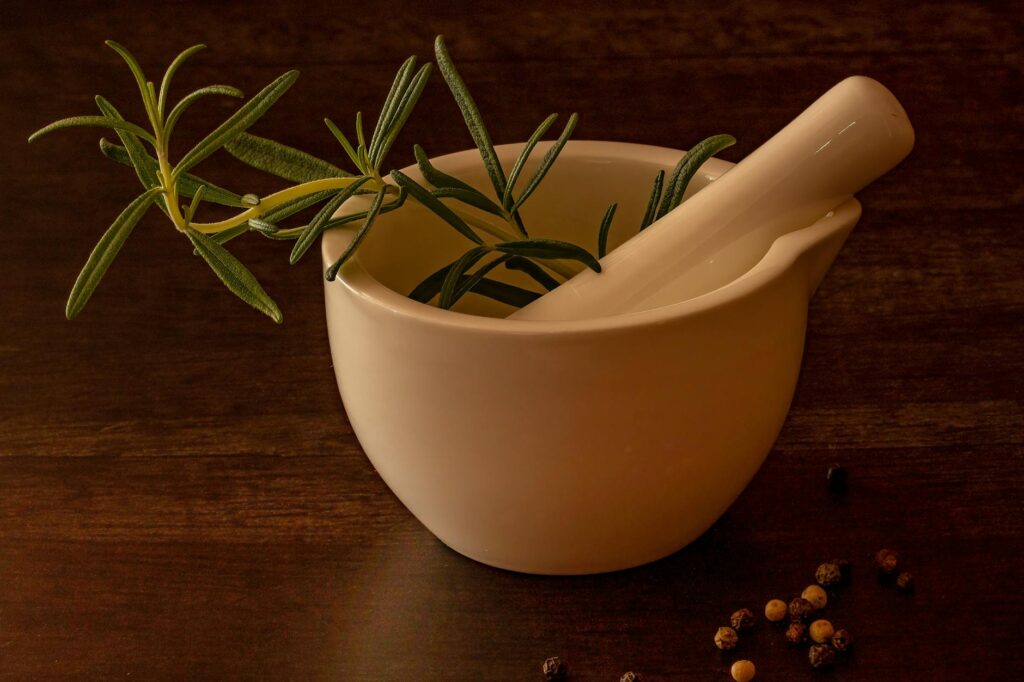
Rosemary Myths and Misconceptions
Introduction
Rosemary (Rosmarinus officinalis), a fragrant evergreen herb, has been cherished for centuries not only for its distinctive flavor but also for its aromatic qualities. Often associated with Mediterranean cuisine, rosemary has transcended geographical boundaries to become a staple in kitchens worldwide. Despite its widespread use, several myths and misconceptions surround this versatile herb. This article will delve into the truths behind rosemary, exploring its history, production, applications, and addressing common misunderstandings.
What Is Rosemary?
Rosemary is a perennial herb belonging to the mint family, Lamiaceae. Characterized by its needle-like leaves and woody stems, the plant can grow up to 1.5 meters (about 5 feet) tall. The leaves are typically dark green on top and pale underneath, exuding a strong fragrance reminiscent of pine and lemon. Rosemary is often used in culinary applications, as well as in perfumery and traditional medicine, although the latter uses should be approached with caution.
History and Origins
Rosemary has a rich history that dates back to ancient civilizations. It is believed to have originated in the Mediterranean region, particularly in areas such as Italy, Greece, and Spain. The herb has been mentioned in various historical texts, including those by Dioscorides and Pliny the Elder, who documented its uses in both cooking and medicine.
In ancient Rome, rosemary was often associated with memory and fidelity, symbolizing remembrance in weddings and funerals alike. It was believed that the scent of rosemary could enhance memory, a notion that has persisted into modern times. Rosemary’s cultural significance extends beyond culinary applications; it has been used in religious ceremonies and as a protective charm in various cultures.
Production and Processing
Rosemary is cultivated in temperate climates around the world, with major producers including Spain, Morocco, and the United States. The herb thrives in well-drained soil and requires full sun exposure. Rosemary is typically propagated through cuttings, as this method maintains the plant’s specific characteristics.
Once harvested, rosemary can be used fresh, dried, or processed into essential oil. The drying process involves air-drying or using dehydrators to remove moisture while retaining the herb’s distinctive aroma and flavor. Essential oil extraction typically involves steam distillation, yielding a concentrated form of rosemary that captures its aromatic properties.
Quality and Grading
The quality of rosemary can vary significantly based on factors such as cultivation methods, harvest time, and processing techniques. Fresh rosemary should have vibrant green leaves and a strong aroma. Dried rosemary, on the other hand, should retain its color and fragrance, indicating proper drying and storage.
Grading systems are not universally standardized for culinary herbs like rosemary; however, culinary quality is often assessed based on the herb’s visual appearance, flavor intensity, and aroma. High-quality rosemary will have a potent scent and a robust flavor, while lower-quality products may be less aromatic and lack the characteristic taste.
Buying Considerations
When purchasing rosemary, consumers have several options: fresh, dried, or in oil form. Fresh rosemary is typically sold in bunches or as potted plants, while dried rosemary can be found in whole leaf or ground forms. Essential oils may be sold in small bottles and should be labeled for food-grade use.
When buying fresh rosemary, look for vibrant, unblemished leaves free from browning or wilting. For dried forms, check the packaging for the harvest date and ensure the product is free from additives or preservatives. Essential oils should be sourced from reputable suppliers to ensure purity and quality.
Uses and Applications
Rosemary is a versatile herb with a broad range of applications. In culinary contexts, it is commonly used to flavor meats, especially lamb and chicken, as well as vegetables and sauces. The herb can also enhance breads and baked goods, imparting a distinct aroma and flavor.
Beyond culinary uses, rosemary is employed in beauty and personal care products for its aromatic properties. Its essential oil is often used in aromatherapy, believed to promote relaxation and enhance cognitive function. Additionally, rosemary has applications in household cleaning products due to its antimicrobial properties.
Storage and Shelf Life
Proper storage is essential for maintaining rosemary’s freshness and flavor. Fresh rosemary should be stored in the refrigerator, ideally wrapped in a damp paper towel and placed in a plastic bag to prevent wilting. It can last for about 1-2 weeks under these conditions.
Dried rosemary should be stored in an airtight container, away from direct sunlight and moisture. When properly stored, dried rosemary can retain its flavor for up to 1-3 years, although it is best used within a year for optimal taste.
Essential oil should be kept in a cool, dark place, away from heat sources and sunlight, to preserve its aromatic properties. When stored correctly, rosemary essential oil can last for several years.
Common Misconceptions
Despite rosemary’s popularity, many misconceptions persist about the herb. Here are some of the most common myths:
1. Rosemary is only used for flavoring food.
While rosemary is indeed a popular culinary herb, its uses extend far beyond the kitchen. It is also valued for its aromatic properties in perfumes, cosmetics, and cleaning products, as well as in traditional medicine and aromatherapy.
2. Dried rosemary is inferior to fresh rosemary.
Although fresh rosemary offers a more vibrant flavor, dried rosemary can be just as potent when stored and used properly. The drying process can concentrate the herb’s flavors, making it a viable substitute in many recipes.
3. Rosemary essential oil is safe for all applications.
Rosemary essential oil is a concentrated extract and should be used with caution. Not all essential oils are food-grade, and some may have contraindications, particularly for pregnant women or individuals with certain health conditions. Always ensure that the essential oil is intended for the specific use you have in mind.
4. Rosemary can only be grown in warm climates.
While