
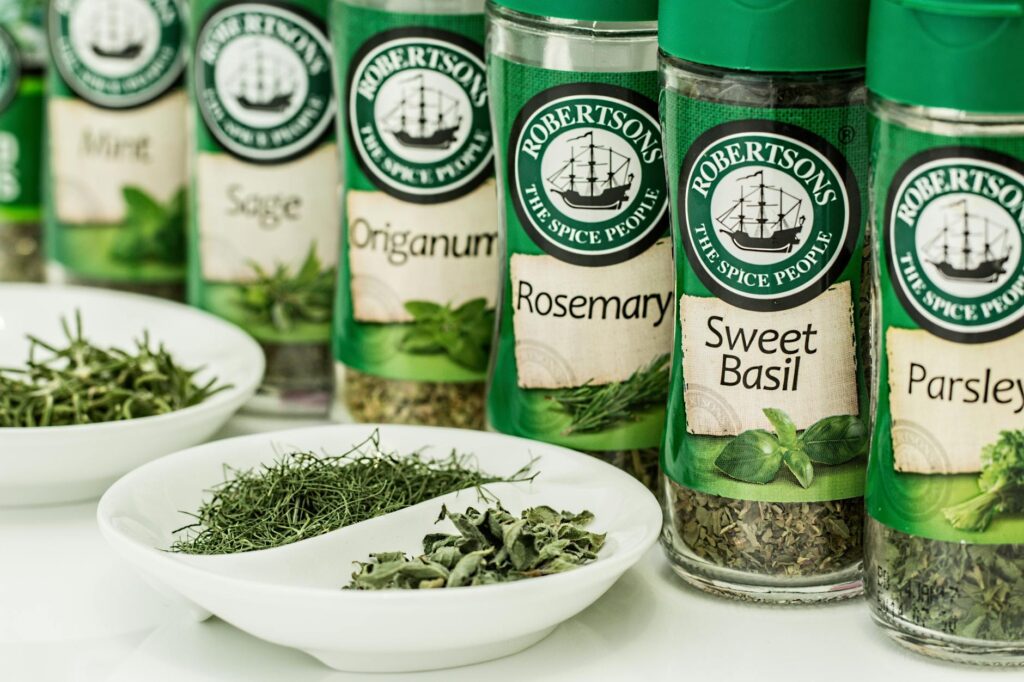
Rosemary Production by Country
Introduction
Rosemary, scientifically known as Salvia rosmarinus, is a perennial herb native to the Mediterranean region. Renowned for its aromatic properties and culinary versatility, rosemary has garnered significant attention across the globe. The herb thrives in various climates, leading to diverse production practices and quality variations. This article delves into the intricacies of rosemary production by country, exploring its history, processing methods, quality grading, and much more.
What Is Regions?
In the context of rosemary production, “regions” refers to the geographical areas where rosemary is cultivated, each characterized by unique climatic conditions, soil types, and agricultural practices. These regions not only influence the growth and flavor profile of rosemary but also determine the methods of harvesting and processing employed by local producers. Understanding these regional variations is essential for comprehending the global landscape of rosemary production.
History and Origins
The history of rosemary can be traced back to ancient civilizations. It is believed that the herb originated in the Mediterranean basin, where it flourished in the wild, often found in coastal areas and rocky terrains. The ancient Greeks and Romans revered rosemary, using it for culinary, medicinal, and ceremonial purposes. It was commonly associated with memory and remembrance, leading to its use in weddings and funerals.
Over the centuries, rosemary spread beyond the Mediterranean, making its way to Europe and eventually to the Americas and other parts of the world. Different cultures adopted the herb, further enriching its significance in global culinary traditions. The rise of trade and exploration contributed to the dissemination of rosemary, resulting in its cultivation across various climates and regions.
Production and Processing
Major Rosemary-Producing Countries
1. Spain: Spain is one of the leading producers of rosemary, particularly in the regions of Andalusia and Valencia. The warm climate and fertile soil provide ideal conditions for rosemary cultivation. The country employs both traditional and modern farming techniques, ensuring high yields and robust flavor profiles.
2. Turkey: Turkey is another significant player in rosemary production, particularly in the Aegean region. The country’s diverse topography and climate contribute to the herb’s unique aromatic qualities. Turkish rosemary is often sought after for its high essential oil content.
3. France: Notably known for its culinary applications, France produces rosemary primarily in Provence. The herb is often grown alongside other aromatic plants, contributing to the distinct flavor profiles of Mediterranean cuisine. The region’s climate enhances the herb’s essential oil properties.
4. Morocco: Morocco has also emerged as a notable producer of rosemary, particularly in regions with a Mediterranean climate. The herb is cultivated in both wild and cultivated forms, often harvested from the wild to maintain traditional practices.
5. United States: While not a traditional rosemary-producing country, the United States has seen a rise in rosemary cultivation, particularly in California. The state’s Mediterranean-like climate is conducive to growing high-quality rosemary, catering to both domestic and international markets.
Harvesting and Processing
The harvesting of rosemary typically occurs during the warmer months, when the plant is at its peak in terms of flavor and essential oil content. Farmers usually hand-harvest the stems and leaves to minimize damage to the plant. Post-harvest, rosemary undergoes various processing steps, including drying, distillation, and packaging, depending on its intended use.
- Drying: Rosemary is often dried to preserve its flavor and extend shelf life. The drying process can be done naturally in the sun or through mechanical means. Proper drying techniques are essential to maintain the herb’s aromatic qualities.
- Distillation: Essential oil extraction is a common practice, especially in countries like Turkey and Spain. Steam distillation is the primary method, where steam passes through the plant material, vaporizing the essential oils, which are then condensed and collected.
- Appearance: High-quality rosemary should have vibrant green leaves, free from blemishes or discoloration. The stem should be sturdy and not overly woody.
- Aroma: The aromatic profile is crucial in grading rosemary. Fresh rosemary should have a strong, fragrant scent, indicative of high essential oil content.
- Flavor: The flavor should be robust and characteristic of rosemary, with no off-tastes suggesting poor quality or improper storage.
- Moisture Content: Proper moisture content is essential for shelf life and flavor preservation. High moisture content can lead to mold and spoilage, while overly dry rosemary may lose its aromatic qualities.
- Source: Consider the country of origin and whether the rosemary is cultivated organically. Organic rosemary is often favored for its purity and the absence of synthetic pesticides.
- Form: Rosemary is available in various forms, including fresh, dried, and as essential oil. Each form serves different culinary and medicinal purposes, so choose according to your needs.
- Packaging: Look for well-packaged rosemary that protects against light and moisture. Airtight containers are preferable for dried rosemary to maintain freshness.
- Certifications: Check for certifications or quality seals that indicate adherence to standards of production and processing.
- Culinary Uses: Rosemary is widely used in Mediterranean cuisine, enhancing dishes such as roasted meats, stews, and vegetables. Its robust flavor complements both savory and sweet dishes.
- Aromatherapy and Essential Oils: Rosemary essential oil is a popular choice in aromatherapy for its stimulating properties. It is often used in massage oils, diffusers, and personal care products.
- Herbal Tea: Dried rosemary leaves can be infused to create herbal teas, providing a fragrant beverage rich in flavor.
- Preservation: The herb’s antioxidant properties make it a natural preservative, often utilized in the meat and poultry industry.
- Fresh Rosemary: Store fresh rosemary in the refrigerator, ideally wrapped in a damp paper towel and placed in a plastic bag. It can last up to two weeks under these conditions.
- Dried Rosemary: Keep dried rosemary in an airtight container, away from light and moisture. When stored properly, dried rosemary can maintain its flavor for up to six months.
- Essential Oil: Rosemary essential oil should be stored in a dark glass bottle, away from heat and light, to ensure its longevity. Properly stored, it can last for several years.
- Misconception 1: All rosemary is the same. In reality, the flavor and aromatic properties of rosemary can vary greatly based on its region of origin and cultivation methods.
- Misconception 2: Fresh rosemary is always better than dried. While fresh rosemary is often preferred for its flavor, dried rosemary can be equally potent if harvested and processed correctly.
- Misconception 3: Rosemary is solely a culinary herb. While it is primarily known for its culinary applications, rosemary also serves significant purposes in aromatherapy and natural remedies.
Quality and Grading
The quality of rosemary can vary significantly based on factors such as cultivation methods, geographical region, and harvesting practices. Grading systems, though not universally standardized, often consider:
Buying Considerations
When purchasing rosemary, several factors should be considered to ensure quality and authenticity:
Uses and Applications
Rosemary is highly versatile and finds applications in various domains:
Storage and Shelf Life
The storage conditions for rosemary can significantly affect its flavor and longevity:
Common Misconceptions
Despite its popularity, several misconceptions about rosemary persist:
Frequently Asked Questions
1. How can I tell if rosemary is fresh?
Fresh rosemary should have vibrant green leaves and a strong aromatic scent. The stems should be flexible and not overly woody.
2. Can I grow rosemary at home?
Yes, rosemary can be grown in home gardens. It prefers well-drained soil and plenty of sunlight. Ensure to water it adequately but avoid overwatering.
3. Is there a difference between culinary and ornamental rosemary?
Yes, culinary rosemary is typically bred for its flavor and aroma, while ornamental varieties may be selected for their aesthetic qualities. Always choose culinary rosemary for cooking.
4. How long does dried rosemary last?
When stored properly in an airtight container away from light and moisture, dried rosemary can last up to six months.
5. Can I use rosemary essential oil in cooking?
Rosemary essential oil should not be used in cooking unless specifically labeled as food-grade. It is highly concentrated and can be overwhelming in flavor.
6. What are the best culinary uses for rosemary?
Rosemary pairs well with roasted meats, vegetables, stews, and even some baked goods. Its robust flavor makes it a versatile herb in many dishes.
Conclusion
Rosemary is not only a cherished culinary herb but also a global commodity with a rich history and diverse production practices. Understanding the nuances of rosemary production by country provides valuable insights for consumers, chefs, and culinary enthusiasts alike. From its origins in the Mediterranean to its modern applications worldwide, rosemary continues to be a staple ingredient, embodying the essence of flavor and aroma in kitchens across the globe.