
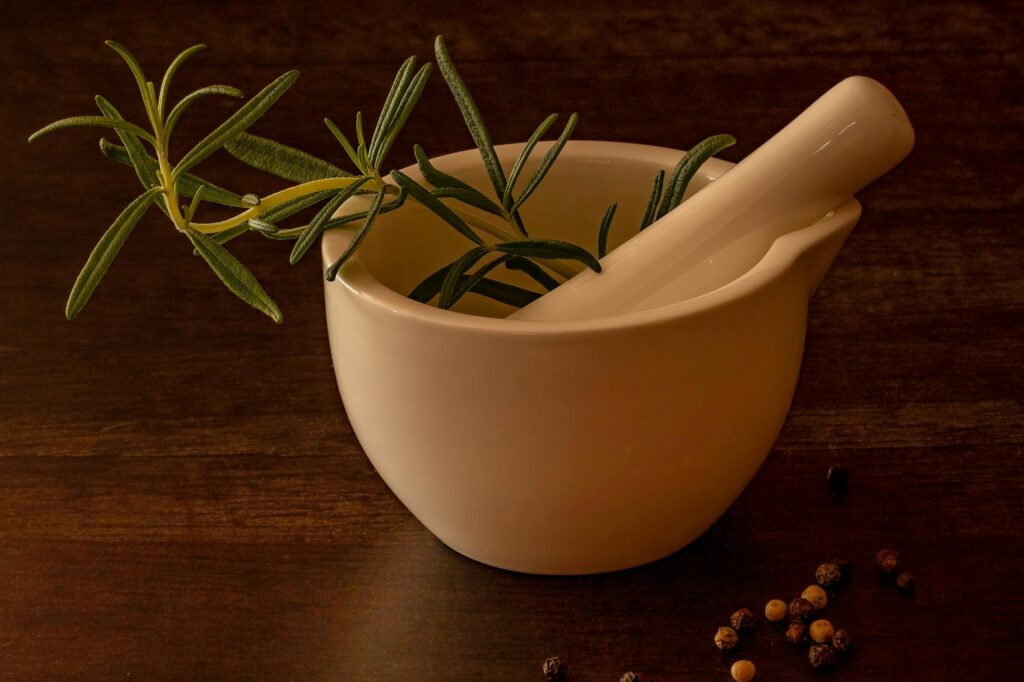
Rosemary Regions Guide Part 6
Introduction
Rosemary (Rosmarinus officinalis) is a perennial herb renowned for its aromatic properties and culinary versatility. Native to the Mediterranean region, this resilient plant has found its way into various cuisines and traditional practices worldwide. Understanding the different regions where rosemary is cultivated provides insight into its flavor profile, quality, and applications. This guide aims to explore rosemary’s regions, encompassing its history, production, and uses, while addressing common misconceptions and frequently asked questions.
What Is Regions?
In the context of food ingredients, “regions” refers to the geographical areas where specific crops are grown, each characterized by unique climate conditions, soil types, and agricultural practices. For rosemary, regions significantly influence its flavor, aroma, and overall quality. These regions can be broadly categorized into primary and secondary areas, with primary regions being those where the herb is cultivated extensively and secondary regions where it is grown in smaller quantities or under different conditions.
History and Origins
Rosemary has a rich history that dates back to ancient civilizations. Thought to have originated in the Mediterranean, it was highly regarded by the Greeks and Romans, who used it in culinary dishes and as a symbol of remembrance. The herb was often associated with various deities and was believed to enhance memory and mental clarity.
As trade routes expanded during the Middle Ages, rosemary spread across Europe, becoming a staple in various regional cuisines. By the 16th century, it had made its way to the Americas, where it adapted to diverse climates and soils. Today, rosemary is cultivated in many countries worldwide, but its most significant production still occurs in Mediterranean countries, particularly Italy, Spain, and France.
Production and Processing
Primary Regions of Production
1. Mediterranean Basin: The Mediterranean region remains the largest producer of rosemary. The warm, dry climate and fertile soil create ideal growing conditions. Italy, Spain, and France are notable contributors, each offering distinct varieties that reflect local agricultural practices.
2. United States: In the U.S., California is the primary state for rosemary cultivation. The Mediterranean climate of southern California closely resembles that of the plant’s native region, making it suitable for large-scale production.
3. North Africa: Countries such as Morocco and Tunisia also cultivate rosemary, often using traditional methods that emphasize organic practices.
Processing
After harvesting, rosemary undergoes several processing steps to ensure its quality and flavor retention. These steps can include drying, essential oil extraction, and packaging. Proper processing is crucial to maintaining the herb’s aromatic properties, with steam distillation being a common method for extracting rosemary oil, which is favored for its potent flavor and fragrance.
Quality and Grading
The quality of rosemary varies significantly based on its region of origin, cultivation practices, and processing methods. Key factors that determine quality include:
- Aroma and Flavor: High-quality rosemary should have a strong, fresh aroma with hints of pine and citrus. The flavor is typically robust and slightly bitter.
- Appearance: Fresh rosemary should have vibrant green leaves, while dried rosemary should maintain its color and not appear dull or brown.
- Moisture Content: Excess moisture can lead to mold and spoilage, affecting the herb’s quality. Proper drying and storage are essential.
- Seasoning: Rosemary pairs well with meats, particularly lamb and chicken, and is often used in marinades, stews, and roasted vegetable dishes.
- Infusions: The herb can be infused into oils, vinegars, and broths, imparting its distinctive flavor.
- Aromatherapy: Rosemary essential oil is popular in aromatherapy for its invigorating properties. It is often used in diffusers and massage oils.
- Cosmetic Products: Many cosmetic formulations, particularly those aimed at hair care, incorporate rosemary for its purported benefits in promoting hair growth and scalp health.
- Household Cleaning: Due to its antimicrobial properties, rosemary is sometimes included in natural cleaning products.
Grading systems may vary by region, but in general, rosemary is categorized into grades such as extra fancy, fancy, and standard based on the criteria mentioned above.
Buying Considerations
When purchasing rosemary, several factors should be considered to ensure the best quality:
1. Fresh vs. Dried: Fresh rosemary is typically more aromatic and flavorful than dried. However, dried rosemary can be more convenient for long-term storage.
2. Source: Look for rosemary sourced from reputable producers in known regions. Often, herbs from Mediterranean countries are regarded as superior due to optimal growing conditions.
3. Organic Certification: Organic rosemary is grown without synthetic pesticides or fertilizers, which can enhance flavor and reduce health risks.
4. Packaging: For dried rosemary, choose products in opaque packaging to protect against light degradation. Fresh rosemary should be stored in a breathable container to maintain its moisture.
5. Whole vs. Ground: Whole rosemary leaves retain flavor longer than ground rosemary. Consider purchasing whole leaves and grinding them as needed for maximum freshness.
Uses and Applications
Rosemary’s versatility extends beyond culinary applications. While it is most commonly used in cooking, its uses span various domains:
Culinary Uses
Non-Culinary Uses
Storage and Shelf Life
Proper storage of rosemary is essential to maintain its flavor and aroma.
Fresh Rosemary
Fresh rosemary should be stored in the refrigerator, ideally wrapped in a damp paper towel and placed in a plastic bag. This method can keep it fresh for up to two weeks. Alternatively, rosemary can be stored in a glass of water, like a bouquet of flowers, to extend its shelf life.
Dried Rosemary
Dried rosemary should be kept in an airtight container, stored in a cool, dark place away from direct sunlight. When stored correctly, dried rosemary can last for up to three years, although its flavor may diminish over time.