
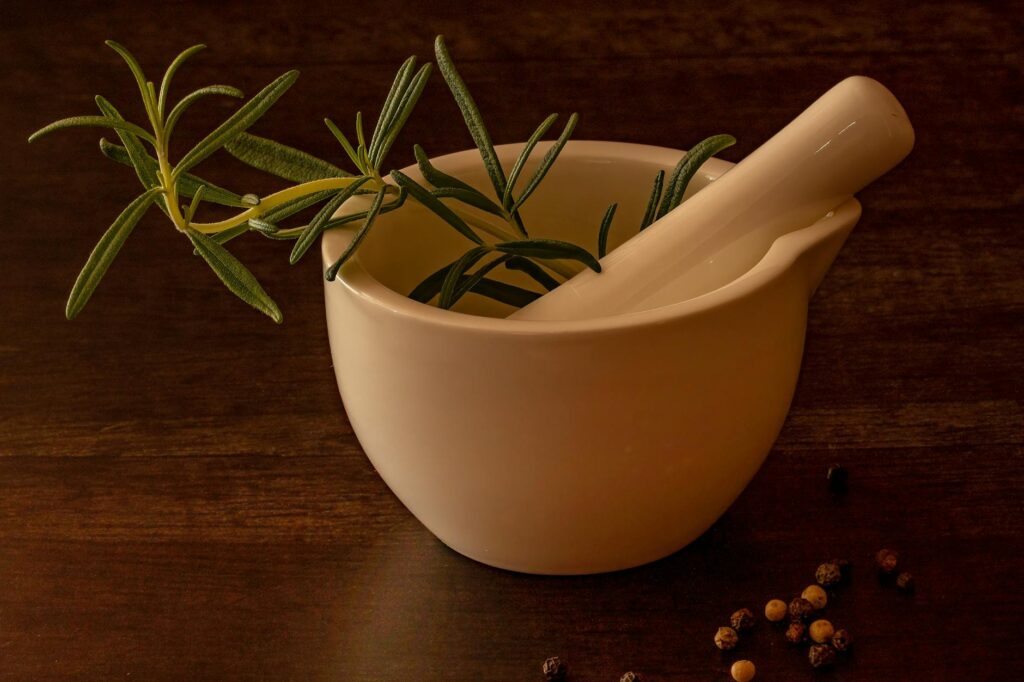
Rosemary Regions Guide Part 7
Introduction
Rosemary (Rosmarinus officinalis) is a perennial herb native to the Mediterranean region, celebrated for its aromatic properties and culinary versatility. Known for its needle-like leaves and distinctive fragrance, rosemary has found its way into kitchens and gardens worldwide. However, the quality and flavor of rosemary can significantly vary depending on its region of cultivation. This guide delves into the various regions where rosemary is grown, exploring the historical backgrounds, production methods, quality grading, and practical considerations for sourcing this versatile herb.
What Is Regions?
In the context of culinary herbs like rosemary, “regions” refers to the geographical areas where the herb is cultivated. Each region imparts unique characteristics to the plant due to variations in climate, soil composition, and traditional farming practices. Understanding these regional differences can enhance one’s appreciation for rosemary, as well as inform purchasing and culinary decisions.
History and Origins
Rosemary has a rich history that dates back to ancient civilizations. It is believed to have originated in the Mediterranean region, particularly in areas like Italy, Spain, and Greece. The name “rosemary” is derived from the Latin phrase “ros marinus,” which means “dew of the sea,” a reference to its coastal habitat.
Historically, rosemary has been associated with various cultural practices. In ancient Greece, it was used as a symbol of remembrance, often worn by scholars and students during exams. The Romans valued rosemary for its flavor in cooking and its role in rituals, often using it to honor their gods.
As trade routes expanded, rosemary traveled beyond the Mediterranean, becoming popular in other regions, including Northern Europe and later the Americas. Its adaptability and resilience allowed it to thrive in diverse climates, further enhancing its global presence.
Production and Processing
Rosemary is cultivated in various regions, each contributing unique attributes to the herb. Major producers include:
- Mediterranean Region: Countries like Italy, Spain, and France are renowned for their high-quality rosemary, primarily due to the ideal climate conditions. The warm, sunny weather and well-draining soils contribute to the herb’s robust flavor profile.
- United States: California is a significant producer, leveraging its Mediterranean-like climate. Here, rosemary is grown both commercially and in home gardens.
- Australia: This region has seen an increase in rosemary cultivation, thanks to its favorable climate and growing interest in culinary herbs.
- Appearance: High-quality rosemary should have vibrant green leaves, free from yellowing or browning. The leaves should be intact and not overly brittle.
- Aroma: Fresh rosemary has a strong, fragrant aroma. Dried rosemary should retain a noticeable scent, indicating that the essential oils are still present.
- Flavor: Quality rosemary has a strong, pine-like flavor with earthy undertones. A lack of flavor may indicate poor quality or improper storage.
- Source: Opt for reputable vendors or producers known for quality herbs. Local farmers’ markets can often provide fresh, locally sourced rosemary.
- Fresh vs. Dried: Fresh rosemary is typically more fragrant and flavorful, ideal for culinary applications. Dried rosemary, while convenient, may have a muted flavor.
- Packaging: For dried rosemary, look for airtight packaging to prevent moisture and loss of aroma. Fresh rosemary should ideally be sold in a way that prevents wilting.
- Organic Certification: Consider purchasing organic rosemary to avoid exposure to pesticides and synthetic fertilizers, contributing to a more natural flavor profile.
- Seasoning: Rosemary is a staple in Mediterranean cuisine, frequently used to season meats, poultry, and fish.
- Infusions: The herb can be infused into oils, vinegars, and even syrups, lending its aromatic qualities to a range of culinary applications.
- Herbal Teas: Rosemary leaves can be steeped in hot water to create a fragrant herbal tea, enjoyed for its aromatic qualities.
- Garnishing: Fresh sprigs of rosemary can be used as a garnish, adding visual appeal and fragrance to dishes.
- Fresh Rosemary: Store fresh rosemary in the refrigerator, wrapped in a damp paper towel and placed in a perforated plastic bag. This can help preserve its moisture and extend its shelf life to about 1–2 weeks.
- Dried Rosemary: Store dried rosemary in an airtight container in a cool, dark place, such as a pantry. When stored correctly, dried rosemary can last for up to 1–3 years, although its flavor may diminish over time.
In terms of processing, rosemary is typically harvested by hand to ensure the delicate leaves remain intact. Once harvested, the leaves can be dried or used fresh. Drying is often done through air drying or using dehydrators, which help preserve the herb’s essential oils and flavor.
Quality and Grading
The quality of rosemary is determined by several factors, including its appearance, aroma, and flavor. When assessing rosemary, consider the following grading criteria:
Grading systems may vary by region; however, many producers adhere to established international standards that classify rosemary into grades such as “extra”, “first”, and “second”, with “extra” being the highest quality.
Buying Considerations
When purchasing rosemary, whether fresh or dried, there are several factors to keep in mind:
Uses and Applications
Rosemary is widely used in culinary practices, appreciated for its ability to enhance a variety of dishes. Some common uses include:
In addition to culinary uses, rosemary also finds applications in the cosmetic and fragrance industries, valued for its aromatic properties.
Storage and Shelf Life
Proper storage is essential to maintain the freshness and quality of rosemary. Here are some guidelines:
Regularly check both fresh and dried rosemary for signs of spoilage, such as off odors or discoloration, and discard if necessary.
Common Misconceptions
Several misconceptions surround rosemary that can lead to confusion