
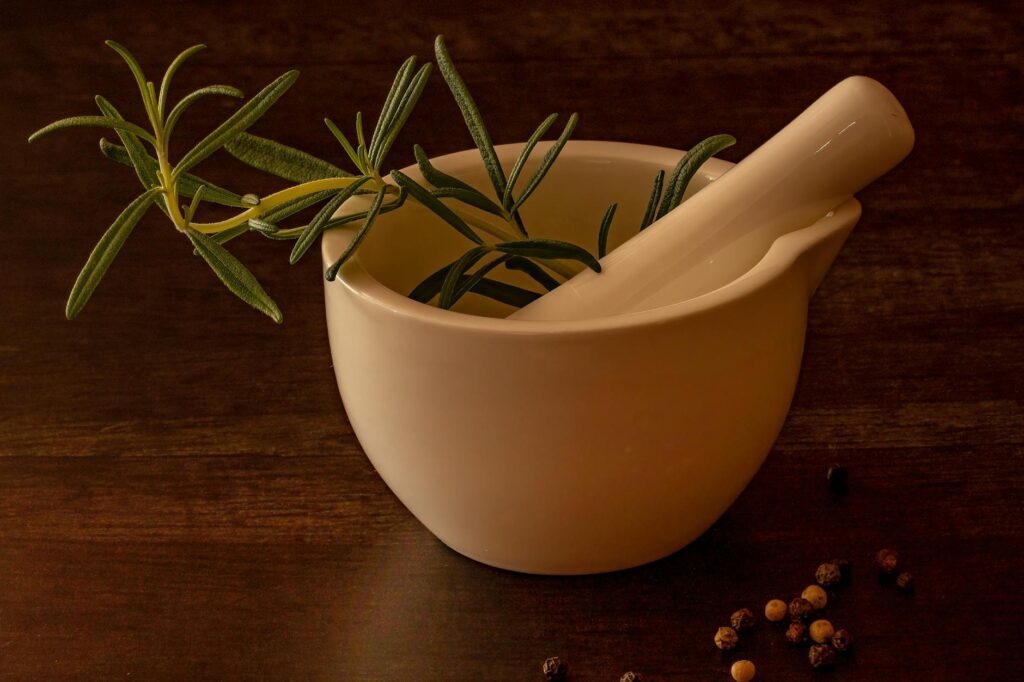
Rosemary Uses Guide Part 6
Introduction
Rosemary (Rosmarinus officinalis) is an aromatic evergreen herb that has been cherished for centuries, both for its culinary applications and its symbolic significance. As we explore the multifaceted uses of rosemary, we will delve into its history, production, and various applications beyond the kitchen, highlighting its esteemed place in gastronomy, perfumery, and traditional practices.
What Is Uses?
The term “uses” refers to the various applications and functions that an ingredient can serve. In the case of rosemary, its uses extend across culinary arts, herbal remedies, and even household products. Understanding the many dimensions of this herb can enhance its appreciation and application in both everyday life and specialized fields.
History and Origins
Rosemary is native to the Mediterranean region, thriving in the warm, sunny climates of countries like Italy, Spain, and Greece. Its name is derived from the Latin ‘ros marinus,’ meaning “dew of the sea,” which reflects its coastal origins. Historically, rosemary has been associated with remembrance and fidelity, often used in weddings and funerals.
The herb’s culinary uses date back to ancient times, featured prominently in Roman and Greek cuisine. Its medicinal properties were also recognized; it was believed to enhance memory and concentration. Over the centuries, rosemary has migrated across continents, adapting to various cultures and culinary practices while maintaining its robust flavor profile.
Production and Processing
Rosemary is cultivated primarily in warm, temperate climates. The plant thrives in well-drained soil and requires ample sunlight. Commercial production usually involves both cultivation and wild harvesting. The herb is typically harvested just before flowering, as this is when its essential oils are most concentrated.
Once harvested, rosemary can be processed in several ways:
- Fresh: The leaves are used directly in cooking or as garnishes.
- Dried: Leaves are air-dried or dehydrated and can be packaged for long-term use.
- Essential Oil: Rosemary oil is extracted through steam distillation and is used in aromatherapy, cosmetics, and cleaning products.
- Appearance: Fresh rosemary should have vibrant green leaves, while dried rosemary should be free from discoloration.
- Aroma: High-quality rosemary exudes a strong, fragrant scent, indicative of its essential oil content.
- Flavor: The taste should be robust, with a balance of piney, woody, and herbal notes.
- Form: Decide whether you need fresh, dried, or essential oil based on your intended use.
- Source: Look for organic options when possible, as they are less likely to be treated with pesticides and other chemicals.
- Packaging: For dried rosemary, choose products that are stored in airtight containers to preserve flavor and aroma.
- Local vs. Imported: Local rosemary may offer superior freshness, while imported varieties may provide different flavor profiles depending on their origin.
- Meats: Perfect for seasoning lamb, chicken, and pork.
- Vegetables: Enhances roasted vegetables and potato dishes.
- Breads: Often used in focaccia and other baked goods.
The processing method influences the flavor and aroma of rosemary, with fresh leaves offering a more intense profile compared to dried forms.
Quality and Grading
Quality is a critical aspect of rosemary, as it can significantly impact flavor and aroma. Factors that determine the quality of rosemary include:
Grading systems often categorize rosemary based on these attributes, with top grades commanding higher prices in culinary and commercial markets. Consumers should seek out reputable suppliers who can assure quality through proper sourcing and processing methods.
Buying Considerations
When purchasing rosemary, there are several factors to consider to ensure you are getting the best product:
Uses and Applications
Rosemary’s versatility extends far beyond cooking. Here are several notable applications:
Culinary Uses
In the culinary world, rosemary is prized for its strong, aromatic flavor, which complements a wide variety of dishes. It is particularly effective in:
Aromatherapy
Rosemary essential oil is a popular choice in aromatherapy due to its invigorating scent. It is believed to stimulate mental clarity and concentration, making it a favored option for use in diffusers or massage oils.
Cosmetics and Personal Care
The herb is also utilized in personal care products. Rosemary’s natural antibacterial properties make it a common ingredient in shampoos, conditioners, and skin care formulations. Its scent adds a refreshing quality to lotions and creams.
Household Cleaning
Due to its antimicrobial properties, rosemary essential oil can be included in homemade cleaning products. Its pleasant aroma also serves to mask odors, making it an effective natural deodorizer.
Traditional Practices
In various cultures, rosemary has symbolic meanings and is used in rituals. It is often associated with remembrance, making it a common component in funerals and memorials. Additionally, rosemary has been used in potpourri and sachets for its aromatic qualities.
Storage and Shelf Life
Proper storage is essential for maintaining the quality of rosemary. Here are some guidelines:
Fresh Rosemary
Fresh rosemary should be stored in the refrigerator, ideally wrapped in a damp paper towel and placed in a plastic bag. Under these conditions, it can last for about one to two weeks.
Dried Rosemary
Dried rosemary should be kept in a cool, dark place, away from moisture and heat. When stored in an airtight container, it can retain its flavor for up to six months, though it is best used within three months for optimal freshness.
Essential Oil
Rosemary essential oil should be stored in a dark glass bottle to protect it from light. It has a shelf life of about one to three years, depending on storage conditions and the quality of the oil.
Common Misconceptions
Despite its popularity, there are several misconceptions about rosemary that merit clarification:
1. All rosemary is the same: Different varieties of rosemary exist, each with unique flavor profiles and aromatic qualities.
2. Cooking with dried rosemary is