
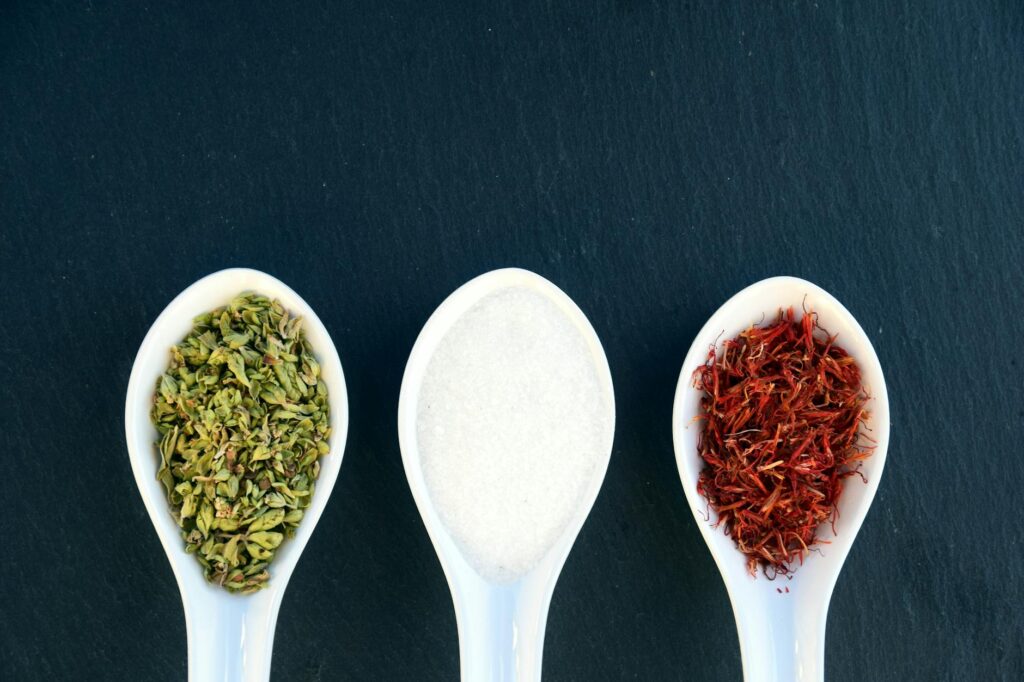
Saffron Buying Guide Part 7
Introduction
Saffron, often regarded as the most expensive spice in the world, is revered for its unique flavor, vibrant color, and aromatic qualities. This guide aims to provide an in-depth understanding of the buying process for saffron, covering everything from its historical significance to quality grading and common misconceptions. Whether you are a culinary professional, a gourmet home cook, or simply a saffron enthusiast, this guide will equip you with the knowledge necessary to make informed purchasing decisions.
What Is Buying?
Buying, in the context of saffron, encompasses the various considerations and actions involved in acquiring this precious spice. It involves assessing the quality, understanding the sourcing practices, and being aware of market trends. Given saffron’s high market value and susceptibility to fraud, buyers must exercise diligence to ensure they receive a product that meets their expectations in both quality and authenticity.
History and Origins
Saffron has a storied history that dates back thousands of years. Its origins can be traced to the regions surrounding the Mediterranean, particularly in Iran, where it has been cultivated for over 3,000 years. Historical texts suggest that saffron was used by ancient Egyptians for medicinal purposes, in rituals, and as a dye. The spice traveled along trade routes to Europe and Asia, where it became a coveted ingredient in culinary and medicinal practices.
The cultivation of saffron is labor-intensive, requiring the collection of the delicate stigmas from the Crocus sativus flower, which blooms for only a short period each autumn. This labor-intensive process not only contributes to saffron’s high cost but also highlights its cultural significance in various societies.
Production and Processing
Saffron production primarily occurs in regions with a Mediterranean climate, including Iran, India (particularly in Kashmir), Spain, and Greece. The process of saffron cultivation includes several stages:
1. Cultivation: Saffron crocus bulbs are planted in well-drained soil, typically in late summer. They require careful attention to climate and water conditions.
2. Harvesting: The saffron flowers bloom in the fall, and the stigmas must be hand-harvested early in the morning when the flowers are still closed. This requires skilled labor, as each flower produces only three stigmas.
3. Drying: The harvested stigmas are then dried to enhance their flavor and preserve their vibrant color. This drying process is crucial, as it affects the final quality of the saffron.
4. Sorting and Grading: After drying, the saffron is sorted and graded based on various factors, including color, aroma, and moisture content.
Understanding the intricacies of saffron production can help consumers appreciate the value of this spice and recognize the signs of quality when purchasing.
Quality and Grading
The quality of saffron is paramount and is determined by several characteristics: color, flavor, aroma, and moisture content. Saffron is graded based on these factors, and there are several classification systems in use worldwide.
- Color: High-quality saffron has a deep red hue, with the best strands showing a vibrant, consistent color. The presence of yellow or white parts indicates lower quality.
- Aroma: Authentic saffron has a distinct, sweet, and earthy aroma. A strong, pungent scent is indicative of high-quality saffron.
- Flavor: The flavor of saffron is complex and can vary based on its origin. Premium saffron provides a rich, nuanced flavor that enhances dishes without overpowering them.
- Moisture Content: Quality saffron should have low moisture content. Excess moisture can lead to mold or degradation of flavor.
- Culinary Uses: Saffron is commonly used in rice dishes like paella and risotto, in soups, stews, and sauces. Its unique flavor elevates both savory and sweet dishes.
- Beverages: Saffron-infused drinks, such as saffron tea or cocktails, are popular in many cultures. The infusion imparts a subtle flavor and a beautiful hue.
- Desserts: In desserts, saffron can enhance flavor in items like ice creams, puddings, and pastries. Its vibrant color adds visual appeal.
- Cultural Significance: Beyond its culinary uses, saffron holds cultural significance in various regions, often used in traditional rituals
Common grading systems include ISO 3632, which categorizes saffron into three grades: Grade I (highest quality), Grade II (medium quality), and Grade III (lower quality). Buyers should seek saffron that is labeled with its grade for assurance of quality.
Buying Considerations
When purchasing saffron, several factors should be taken into account:
1. Source: Always buy saffron from reputable suppliers. Look for vendors who provide information about the saffron’s origin and production practices.
2. Packaging: Quality saffron is often sold in airtight packaging to preserve its flavor and aroma. Avoid purchasing saffron that is sold in bulk without proper packaging.
3. Price: While saffron is inherently expensive, be cautious of prices that seem unusually low. Such prices may indicate adulteration or inferior quality.
4. Labeling: Check for certifications and grading labels. Authentic saffron should be clearly labeled with its grade, origin, and any certifications that attest to its quality.
5. Appearance: When possible, examine saffron strands before purchasing. High-quality saffron should be long, thin, and free from debris. It should also have a rich, deep red color.
6. Supplier Reputation: Research your supplier’s reputation through reviews and ratings. Reliable suppliers often have a proven track record of delivering quality products.
Uses and Applications
Saffron is a versatile ingredient used across various culinary traditions. Its applications extend beyond mere seasoning and coloring: