
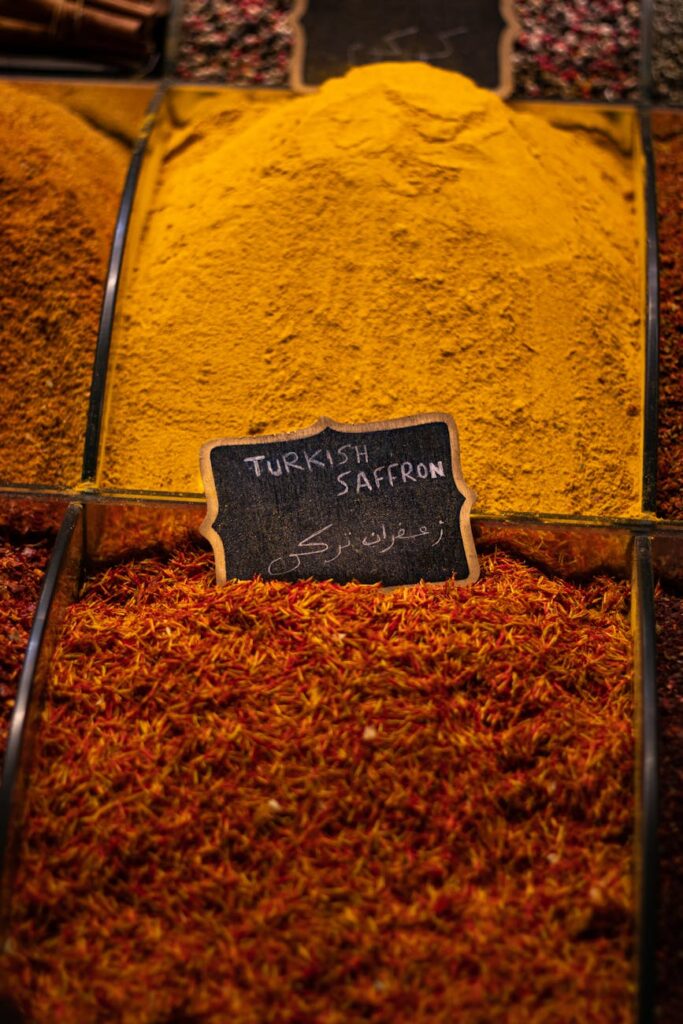
Saffron: Origins and Evolution
Introduction
Saffron, often heralded as the world’s most expensive spice by weight, captivates culinary enthusiasts and connoisseurs alike with its vibrant color, unique flavor, and distinct aroma. Derived from the flower Crocus sativus, commonly known as the saffron crocus, this spice has a rich history and is steeped in cultural significance across various regions. This article delves into the origins, evolution, production, and uses of saffron, exploring its journey from ancient times to contemporary kitchens.
What Is About?
Saffron is the dried stigma of the saffron crocus, a flowering plant belonging to the iris family. Each flower produces three vivid crimson stigmas, which are harvested and dried to produce the spice we know today. Renowned for its culinary versatility, saffron is not only used to enhance flavor but also to impart a characteristic golden hue to dishes. Beyond its culinary applications, saffron has held cultural, medicinal, and economic significance throughout history.
History and Origins
The history of saffron is as rich and complex as its flavor profile. Its origins can be traced back over 3,000 years to the regions of Greece and Persia (modern-day Iran). The earliest records of saffron’s use come from ancient texts, including those of the Egyptians, who utilized it in perfumes and cosmetics. Saffron was also mentioned in the writings of the Greek philosopher Aristotle and the Roman naturalist Pliny the Elder, attesting to its value in antiquity.
Saffron cultivation spread across the Mediterranean, reaching the island of Crete and later, the Roman Empire. Its allure continued into the Middle Ages, where it became a symbol of wealth and luxury. Saffron was traded along the Silk Road, gaining prominence in Asia, particularly in India, where it is now an integral part of various culinary traditions.
The spice’s association with luxury persisted into the modern era, and it remains a staple in cuisines across the globe, from Persian rice dishes to Spanish paella and Indian biryani.
Production and Processing
Saffron’s production is labor-intensive, requiring meticulous care and attention. The saffron crocus blooms in the fall, and each flower produces only three stigmas. Harvesting is done by hand, typically in the early morning when the flowers are still closed. This meticulous process is crucial for maintaining the quality of the spice.
After harvesting, the stigmas are carefully dried to prevent spoilage and to lock in their flavor and color. The drying process is critical; improper drying can lead to a loss of potency and quality. It is essential that saffron is handled with care throughout processing to ensure that it retains its characteristic aroma and flavor.
Iran is the largest producer of saffron, accounting for approximately 90% of the world’s supply. Other notable producers include India (particularly the Kashmir region), Spain, and Greece, each of which has developed its own unique methods of cultivation and processing.
Quality and Grading
The quality of saffron is determined by several factors, including color, aroma, and flavor. The most coveted saffron is deep red, indicating high quality, while yellow or white threads are often signs of inferior saffron. Grading systems vary by region but generally include classifications such as “Grade A” (highest quality) and “Grade B” (lower quality).
The International Organization for Standardization (ISO) has established guidelines for saffron grading, which assess the spice based on its coloring strength, flavor, and aroma. Consumers should look for saffron that has been certified by reputable organizations to ensure quality.
One of the most critical quality indicators is the presence of crocin, the compound responsible for saffron’s distinct color. The higher the crocin content, the more vibrant the saffron will appear in dishes.
Buying Considerations
When purchasing saffron, it is vital to consider several factors to ensure you are getting a high-quality product. Here are some key aspects to keep in mind:
1. Source: Opt for saffron from reputable producers or brands known for their quality. Iranian saffron is often regarded as the best, but high-quality saffron also comes from Kashmir and Spain.
2. Form: Saffron is available in various forms, including threads, powder, and extracts. Whole threads are preferred as they maintain potency longer than powdered saffron.
3. Packaging: Look for saffron sold in airtight containers or sealed packages to ensure freshness. Avoid bulk bins, as exposure to air can degrade quality.
4. Price: Saffron is expensive due to its labor-intensive production process. Be wary of prices that seem too low, as they may indicate inferior quality or adulteration.
5. Certification: Consider purchasing saffron that has been certified for quality and authenticity by relevant organizations.
Uses and Applications
Saffron’s culinary applications are diverse, making it a favorite among chefs worldwide. It is primarily used to enhance the flavor and color of dishes, particularly in Mediterranean, Middle Eastern, and South Asian cuisines. Some popular uses include:
- Rice Dishes: Saffron is often added to rice dishes such as risotto, paella, and biryani, imparting both color and flavor.
- Soups and Stews: It can be used to enrich soups and stews, enhancing their overall complexity.
- Desserts: Saffron is also a common ingredient in desserts, such as saffron-infused ice creams or rice puddings, where its unique flavor provides a delightful contrast to sweetness.
- Beverages: In some cultures, saffron is used in beverages, such as saffron tea or milk, where it adds both flavor and a rich golden hue.
Beyond culinary uses, saffron has cultural and ritual significance in various traditions, often used in religious ceremonies and celebrations