
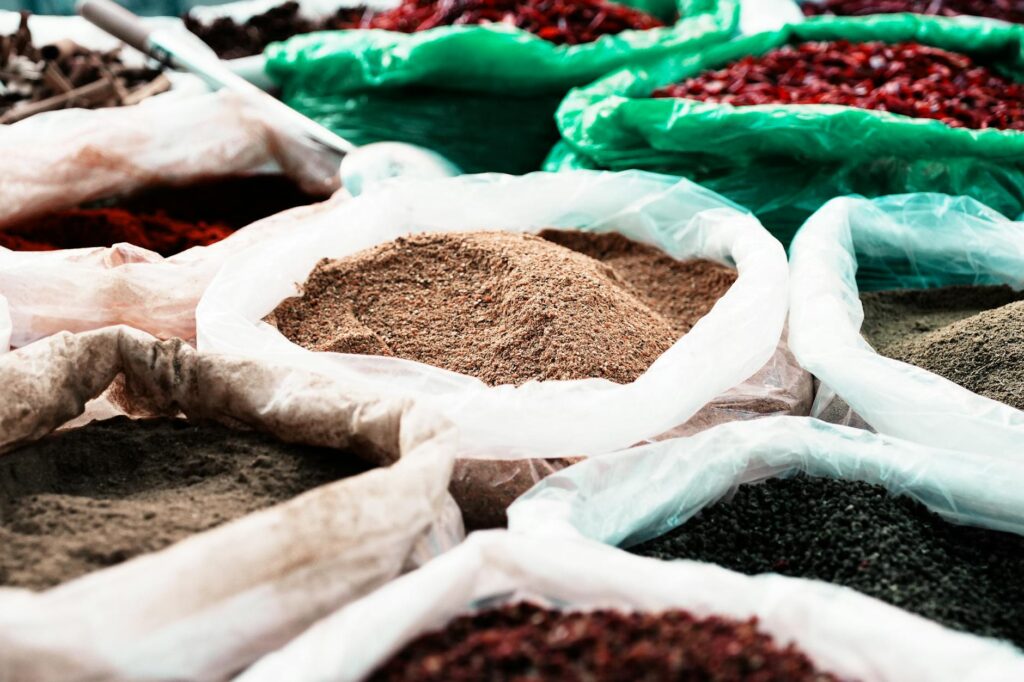
Salt Around the World
Introduction
Salt, a seemingly simple mineral, has played a pivotal role in human civilization. Beyond its fundamental use as a seasoning and preservative, salt has cultural, historical, and economic significance. This article delves into the diverse regions of salt production and usage around the globe, exploring the rich tapestry of its origins, processing methods, and applications.
What Is Regions?
When discussing “regions” in the context of salt, we refer to the geographical areas that are known for their unique types of salt and the methods used to harvest and process it. Different regions produce varieties of salt that reflect local traditions, geological conditions, and climatic influences. Each region’s salt embodies its unique character, influenced by the surrounding environment and the methods employed in its production.
History and Origins
The history of salt dates back thousands of years. Ancient civilizations recognized its value not only as a seasoning but also as a vital preservative for food. Archaeological evidence suggests that salt was harvested in China as early as 6000 B.C. The Egyptians employed salt in the mummification process, and it was a critical trade commodity in ancient Rome and during the Middle Ages.
Salt routes, akin to the famed Silk Road, facilitated the exchange of this vital resource. Wars were fought over salt, and it was even used as currency in some societies. The term “salary” originates from the Latin word “salarium,” a payment made to Roman soldiers for the purchase of salt.
Production and Processing
Salt is primarily produced through two methods: evaporation and mining.
Evaporation
This method is predominantly used in coastal regions. Seawater is channeled into shallow ponds or basins where it is left to evaporate under the sun. As the water evaporates, salt crystals form. This technique is labor-intensive and requires specific climatic conditions, making it more common in warm, sunny regions. Places like the salt flats of Great Salt Lake in Utah, USA, and the salt pans of Guérande in France exemplify this method.
Mining
Rock salt, or halite, is mined from underground deposits formed by ancient seas evaporating millions of years ago. This process can involve traditional mining techniques or modern solutions like solution mining, where water is injected into the salt deposit, dissolving the salt and then pumping the brine to the surface for evaporation. Notable mining regions include the salt mines in Poland, particularly the famous Wieliczka Salt Mine, and the salt domes found in Iran.
Quality and Grading
The quality of salt can vary significantly depending on its source, production method, and processing. Salt is generally graded based on its purity, mineral content, and texture.
Types of Salt
- Sea Salt: Harvested from seawater, this salt retains trace minerals that can enhance its flavor.
- Table Salt: Highly refined and often iodized to prevent deficiencies, this salt has a fine grain and is commonly used for cooking and baking.
- Himalayan Pink Salt: Mined from ancient sea beds in the Himalayas, it is known for its distinctive color and mineral content.
- Fleur de Sel: A premium sea salt from France, known for its delicate flavor and flaky texture, harvested by hand from the surface of salt ponds.
- Flavor Enhancer: Salt amplifies the natural flavors of ingredients and can balance sweetness and acidity.
- Preservation: Historically, salt has been used to cure meats and preserve vegetables, extending their shelf life.
- Fermentation: Salt plays a critical role in the fermentation process for products like kimchi and sauerkraut.
- Chemical Production: It serves as a raw material for producing chlorine, caustic soda, and other chemicals.
- De-icing: Road salt is commonly used in winter months to melt ice and improve safety.
- Water Treatment: Salt is utilized in water softening systems to remove hardness minerals.
- Keep it Dry: Store salt in a cool, dry place, ideally in an airtight container to prevent moisture absorption.
- Avoid Contamination: Use clean utensils to avoid introducing moisture or impurities.
Grading Criteria
Salt is typically graded based on the size of its crystals, the presence of impurities, and the balance of essential trace minerals. Higher grades indicate a more desirable flavor and texture, while lower grades may be used in industrial applications.
Buying Considerations
When purchasing salt, it’s essential to consider several factors:
1. Source: The origin of the salt can influence its flavor and mineral content.
2. Type: Choose the type of salt that best suits your culinary needs, whether for cooking, finishing, or preserving.
3. Processing: Look for minimally processed salts, as they often retain more of their natural minerals and flavors.
4. Packaging: Consider eco-friendly packaging options, as salt production can impact the environment.
Quality can vary widely, so it is advisable to select salts from reputable brands or local producers known for their traditional methods.
Uses and Applications
Salt’s versatility extends to numerous applications beyond seasoning food.
Culinary Uses
Industrial Applications
Salt is also vital in various industrial processes, such as:
Health and Wellness
While not the focus of this article, it is worth noting that many artisanal salts are valued for their trace mineral content and potential health benefits.
Storage and Shelf Life
Salt is a stable ingredient with an indefinite shelf life when stored properly. To maintain its quality:
Certain flavored or infused salts may have a shorter shelf life due to the added ingredients, and it’s advisable to follow any specific storage instructions provided.
Common Misconceptions
Despite salt’s commonality, several misconceptions persist:
1. All Salt is the Same: Different salts possess distinct flavors, textures, and mineral profiles. Choosing the right salt can significantly influence a dish.
2. Salt is Unhealthy: While excessive salt intake can lead to health issues, moderate consumption is part of a balanced diet.
3. Table Salt is the Only Option: Many varieties of salt offer unique flavors and textures that can enhance culinary experiences.
Frequently Asked Questions
1. How is sea salt different from table salt?
Sea salt is harvested from evaporated seawater and retains trace minerals, giving it a unique flavor, while table salt is highly refined and often contains additives like anti-caking agents.
2. What makes Himalayan pink salt unique?
Himalayan pink salt is known for its distinctive pink color, which comes from iron oxide, and is believed to contain over 80 trace minerals, contributing to its flavor and potential health benefits.
3. Can salt go bad?
Salt itself does not spoil, but flavored salts may lose potency or develop off-flavors over time if not stored properly.
4. What is fleur de sel, and how is it used?
Fleur de sel is a premium sea salt harvested from the top layer of salt ponds in France. Its delicate flakes are often used as a finishing salt to enhance dishes just before serving.
5. Is kosher salt the same as table salt?
Kosher salt has a coarser grain than table salt and is often used in koshering meat. It typically does not contain additives, making it a preferred choice for many chefs.
6. Why is salt important in baking?
Salt enhances flavor and strengthens gluten, contributing to the structure of baked goods. It also plays a role in controlling fermentation in yeast-based recipes.
Conclusion
Salt, in its myriad forms, represents a fascinating intersection of culture, history, and culinary art. Understanding the different regions and types of salt can enrich one’s culinary repertoire and appreciation for this ancient mineral. As our world continues to evolve, the role of salt will undoubtedly remain significant, serving as a bridge between past traditions and modern culinary innovations.