
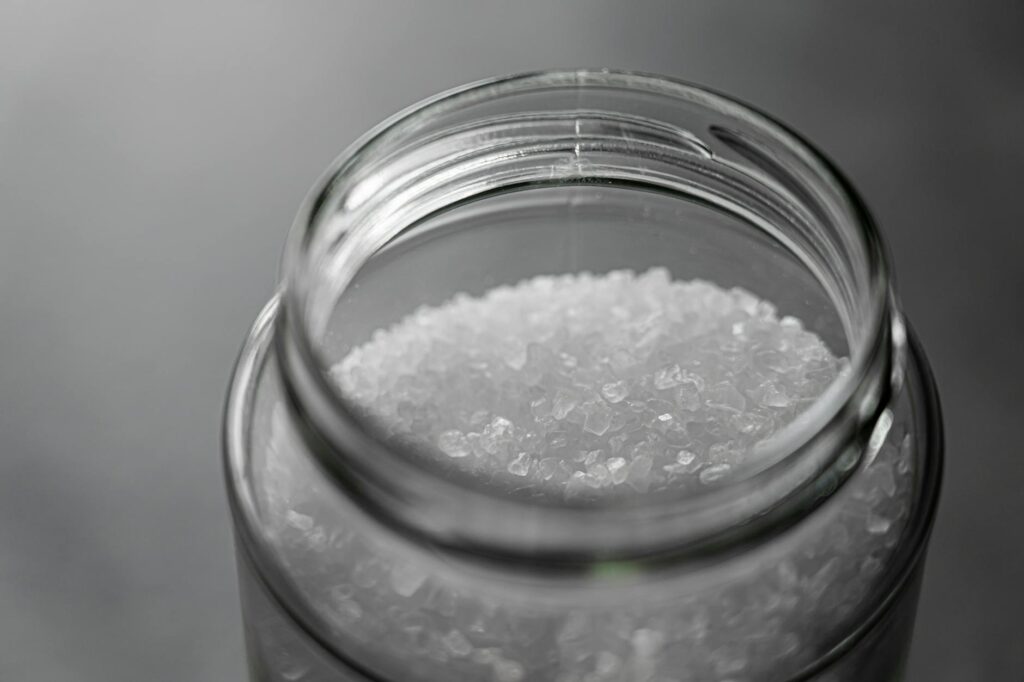
Salt Growing Guide Part 6
Introduction
Salt, often dubbed the “white gold,” plays an indispensable role in culinary traditions and food preservation across the globe. Understanding the various aspects of salt—from its origins to its applications—offers a comprehensive insight into this essential ingredient. In this guide, we delve into the intricate process of growing salt, exploring its history, production, quality, and more.
What Is Growing?
In the context of salt, “growing” refers to the natural crystallization process that occurs in salt flats and salt marshes. It involves the evaporation of seawater or salt brine under specific environmental conditions, allowing salt crystals to form. This organic, natural method of salt production has been utilized for centuries, providing a sustainable approach to harvesting one of the world’s oldest culinary ingredients.
History and Origins
Salt has a rich history that dates back thousands of years. The earliest evidence of salt production can be traced to around 6000 BC in ancient China, while the Egyptians utilized salt for mummification and food preservation. Throughout history, salt has played a central role in trade, economy, and even warfare. The Roman Empire famously referred to soldiers’ salaries as “salarium,” derived from the Latin word for salt, highlighting its value.
Regions such as the Mediterranean, the Dead Sea, and the Himalayan mountains have become synonymous with specific types of salt, each carrying unique characteristics influenced by their geological and environmental conditions. As civilizations evolved, the methods of salt production transformed, but the fundamental principles of growing salt remained largely unchanged.
Production and Processing
Natural Evaporation
The primary method of growing salt involves the evaporation of seawater or brine in shallow ponds. This process typically occurs in warm, sunny climates where the evaporation rate exceeds the rate of rainfall. The seawater is channeled into large, shallow ponds called salt pans, where it is allowed to evaporate naturally. As the water evaporates, salt crystals begin to form and eventually settle at the bottom.
Harvesting
Once a sufficient quantity of salt crystals has formed, the harvesting process begins. Workers typically use rakes or shovels to collect the salt, often employing traditional methods passed down through generations. The harvested salt is then washed to remove impurities and excess brine, ensuring a clean product.
Refinement
Following harvesting, salt may undergo further processing depending on its intended use. For table salt, additional steps may include grinding, bleaching, and the addition of anti-caking agents. In contrast, sea salts may be sold in their natural state, preserving their mineral content and flavor.
Quality and Grading
The quality of salt can vary significantly based on its source, production method, and processing techniques.
Grades of Salt
1. Food Grade Salt: This type of salt is suitable for human consumption and is often refined to remove impurities. It is typically iodized to prevent iodine deficiency.
2. Cooking Salt: This includes coarse and fine salts used in culinary applications, such as kosher salt and sea salt, which retain some natural minerals for enhanced flavor.
3. Industrial Salt: Used for non-food applications, this salt is often less pure and may contain various additives for specific uses, such as de-icing roads.
Factors Influencing Quality
Several factors influence the quality of salt, including:
- Source: Salt from different regions carries distinct mineral profiles, affecting flavor and color.
- Harvesting Method: Traditional methods may yield higher-quality salt compared to mechanized processes.
- Processing: The degree of refinement impacts purity and flavor.
- Flavor Enhancer: Salt amplifies flavors and balances sweetness and bitterness.
- Preservation: Salt is a key ingredient in curing meats and pickling vegetables, inhibiting bacterial growth.
- Baking: It strengthens gluten structure and enhances yeast fermentation in dough.
- De-icing: In colder climates, salt is used for melting ice on roads and sidewalks.
- Water Softening: Salt is utilized in water softeners to remove hardness minerals.
- Industrial Applications: Salt is employed in various industries, including chemical manufacturing and textiles.
- Dry Environment: Store salt in a cool, dry place to prevent clumping and moisture absorption.
- Airtight Containers: Use airtight containers to shield salt from humidity and contaminants.
Buying Considerations
When purchasing salt, there are various factors to consider, ensuring you select the best product for your needs.
Type of Salt
Understanding the intended use is crucial. For example, cooking and finishing salts differ in texture and flavor profiles.
Source and Purity
Opt for salts sourced from reputable producers who prioritize purity and sustainable practices. Reading labels can provide insights into the salt’s origin and any additives.
Flavor and Texture
Different salts offer unique flavors and textures. Coarse salts are ideal for seasoning meat, while fine salts dissolve quickly and are great for baking. Always consider the sensory attributes that will complement your dishes.
Uses and Applications
Salt’s versatility extends beyond seasoning. Here are some notable applications:
Culinary Uses
Non-Culinary Uses
Storage and Shelf Life
Proper storage of salt is essential to maintain its quality and flavor.
Storage Conditions
Shelf Life
Salt is a mineral and does not spoil. However, flavored or infused salts may have a shorter shelf life due to added ingredients. Always check for signs of clumping or off odors, which may indicate moisture exposure.
Common Misconceptions
Despite its ubiquity, several misconceptions about salt persist:
Myth: All Salt is the Same
In reality, salt varies widely based on its source and processing. Each type brings distinct flavors and textures to culinary applications.
Myth: Sea Salt is Healthier than Table Salt
While sea salt contains trace minerals, the health benefits are often overst