
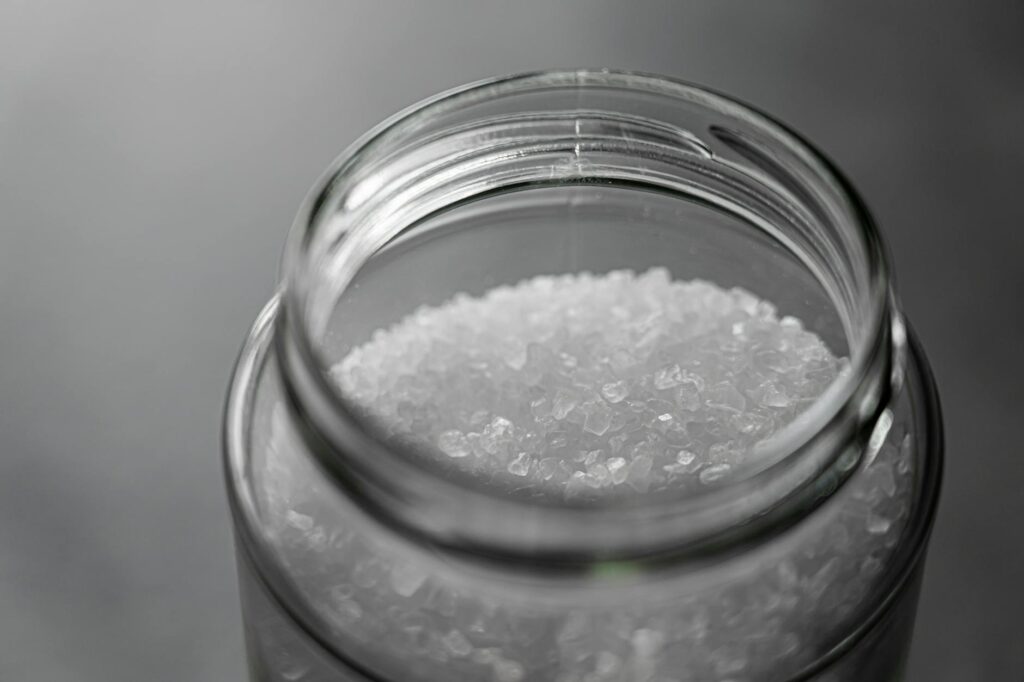
Salt Growing Guide Part 7
Introduction
Salt, an essential seasoning and preservative, has been integral to human civilization for millennia. While its culinary uses are well-documented, the process of growing salt is often overlooked. This guide delves into the fascinating world of salt production, exploring its history, processing methods, quality grading, and more. Understanding these aspects can enhance not only culinary knowledge but also appreciation for this ubiquitous ingredient.
What Is Growing?
In the context of salt, “growing” refers to the natural crystallization process of salt from brine or seawater. This process transforms liquid salt solutions into solid crystals through evaporation, typically harnessing solar energy. The term encompasses various methods of salt production, including solar evaporation, mining, and the cultivation of salt flats. Each method yields distinct types of salt, influencing flavor, texture, and mineral content.
History and Origins
The history of salt production dates back to ancient civilizations. Archaeological evidence suggests that salt was harvested in China as early as 6000 B.C. The Egyptians were known to use salt for mummification and preservation, while the Romans recognized its value in trade, leading to the establishment of “salarium,” the root of the word “salary.”
Salt played a crucial role in shaping economies and societies. The famed Salt Route connected the Mediterranean to the northern regions of Europe, facilitating trade and cultural exchange. Over time, the methods of salt production evolved from simple evaporation techniques to more sophisticated industrial processes, paving the way for the salt industry as we know it today.
Production and Processing
Sources of Salt
Salt is primarily extracted from two sources: seawater and rock salt. Seawater contains about 3.5% salt by weight, while rock salt, or halite, is a naturally occurring mineral found underground.
Solar Evaporation
The most traditional method of salt production is solar evaporation. This process occurs in regions with high sun exposure and low rainfall. Seawater is channeled into shallow ponds, where it is allowed to evaporate under the sun. As the water evaporates, salt crystals begin to form. This method is labor-intensive but yields high-quality salt, often rich in trace minerals.
Mining
Rock salt is extracted through mining, employing either traditional shaft mining or solution mining. In shaft mining, miners extract large blocks of salt from underground deposits. In solution mining, water is injected into salt deposits, dissolving the salt, which is then pumped to the surface and evaporated to crystallize. This method is more efficient and allows for large-scale production.
Refinement
Once harvested, salt may undergo refinement to remove impurities. This process can involve washing, recrystallization, and drying. The goal is to produce a pure product, but many artisanal salts retain minerals that contribute to their unique flavors and colors.
Quality and Grading
Salt quality can vary significantly based on its source, production method, and mineral content. Various grading systems exist to classify salt, typically based on purity, crystal size, and flavor characteristics.
Types of Salt
1. Table Salt: Highly refined and fine-grained, often iodized to prevent deficiencies.
2. Sea Salt: Obtained through evaporating seawater, retaining trace minerals that enhance flavor.
3. Himalayan Pink Salt: Mined from ancient sea beds, known for its distinct color and mineral content.
4. Fleur de Sel: A premium sea salt harvested from the surface of salt ponds, valued for its delicate texture and flavor.
Grading Standards
Salt is often graded based on its purity, with higher grades indicating lower impurities. Gourmet salts may feature unique characteristics such as taste and texture, influencing their culinary applications. Understanding these grades can guide consumers in selecting the appropriate salt for various uses.
Buying Considerations
When purchasing salt, several factors should be taken into account to ensure quality and suitability for culinary applications.
Type of Salt
Different culinary applications may require specific types of salt. For example, coarse sea salt may be ideal for finishing dishes, while fine table salt is better suited for baking.
Source and Production Method
Opting for salt sourced from reputable producers can ensure higher quality. Reading labels and understanding the production methods can provide insight into the salt’s flavor profile and mineral content.
Packaging and Storage
Salt should be stored in a cool, dry place to prevent clumping and maintain quality. Packaging can also affect its shelf life; for example, salt in moisture-resistant containers tends to last longer.
Uses and Applications
Salt is remarkably versatile, finding applications beyond mere seasoning. Its uses span culinary, industrial, and medicinal realms.
Culinary Uses
- Seasoning: Enhances the flavor of foods, balancing sweetness and bitterness.
- Preservation: Used in curing meats and pickling vegetables, inhibiting bacterial growth.
- Baking: Essential in dough formation, affecting texture and fermentation.
- Chemical Production: Used in the manufacture of chlorine and sodium carbonate.
- Water Treatment: Employed in softening and purifying water.
- De-icing: Commonly used for road maintenance during winter.
- Container: Use airtight containers to keep out moisture and contaminants.
- Cool, Dry Place: Store salt away from heat sources and humidity.
- Avoid Contamination: Use clean utensils to prevent introducing moisture or impurities.
Industrial Applications
Salt is a critical component in various industrial processes, including:
Medicinal Uses
Salt has historical applications in treatments, such as saline solutions for hydration and wound care. However, it is vital to consult professionals for medicinal uses.
Storage and Shelf Life
Salt, when stored properly, has an indefinite shelf life due to its hygroscopic nature. However, exposure to moisture can lead to clumping and loss of quality.
Storage Methods
##