
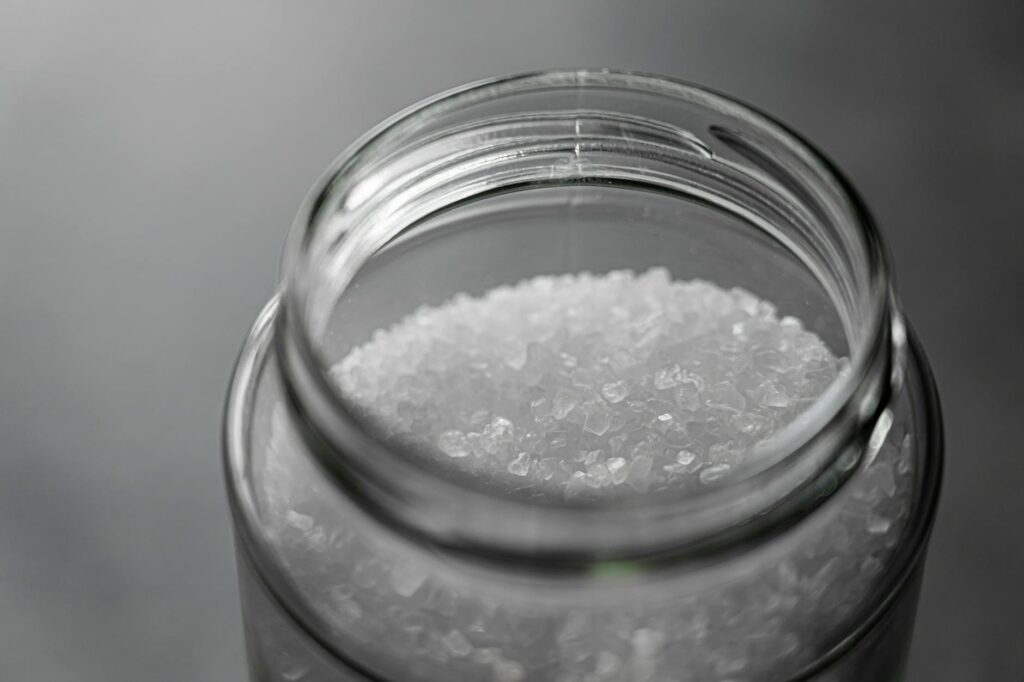
Salt Guides Guide Part 7
Introduction
Salt is more than just a seasoning; it is an essential ingredient that has played a pivotal role in human civilization for millennia. This guide delves into the multifaceted world of salt, exploring its history, production methods, quality considerations, and diverse applications. Whether you are a culinary enthusiast, a professional chef, or simply someone who appreciates the nuances of food, this comprehensive guide will enhance your understanding of this ubiquitous ingredient.
What Is Guides?
In the context of culinary resources, “Guides” refers to systematic compilations of knowledge that offer insights into specific food ingredients. These guides serve to educate readers on various aspects, including but not limited to characteristics, historical significance, production processes, quality metrics, buying tips, and applications in cooking and food science. The objective is to provide a thorough understanding that can empower individuals to make informed choices about the ingredients they use.
History and Origins
The use of salt can be traced back thousands of years. Archaeological evidence suggests that salt was being harvested as early as 6000 BC in ancient China. The Egyptians, too, recognized its value, using salt for both preservation and as part of their mummification process. Greek and Roman civilizations relied heavily on salt, not just for culinary purposes but also as a form of currency and a means of preserving food.
In medieval Europe, salt became a vital trade commodity, leading to the establishment of trade routes and the rise of cities near salt mines. The importance of salt in various cultures is also reflected in language; for example, the term “salary” is derived from the Latin word “salarium,” which refers to the payments made to Roman soldiers for the purchase of salt.
Throughout history, salt has shaped economies and influenced wars, and it remains a critical component of global trade today.
Production and Processing
Salt can be produced through several methods, primarily evaporation and mining.
Evaporative Production
The most common method of salt production is evaporative harvesting, which involves the extraction of salt from seawater or salt lakes. The process begins by channeling seawater into shallow ponds, where it is left to evaporate under the sun. As the water evaporates, salt crystals begin to form. This method is prevalent in regions with warm, dry climates and is often used to produce sea salt.
Mining
Rock salt, or halite, is mined from underground deposits that were formed by the evaporation of ancient seas. This method involves traditional mining techniques or solution mining, where water is injected into the salt deposits, dissolving the salt, which is then pumped to the surface and evaporated to yield pure salt crystals.
Refinement
Once harvested, salt may undergo further processing to enhance its purity and texture. This can include washing, sieving, and adding anti-caking agents to improve its shelf life and usability. Specialty salts may also undergo additional flavoring or infusing processes to create unique profiles.
Quality and Grading
Salt quality can vary significantly based on its source and processing methods. It is essential to understand the parameters that define quality:
Purity Levels
High-quality salts should have a high percentage of sodium chloride (NaCl) with minimal impurities. For culinary uses, salts with 99% purity or higher are considered superior.
Texture and Grain Size
The texture of salt can range from fine to coarse, with different applications suited to different textures. Fine salt dissolves quickly, making it ideal for baking, while coarse salts are often used for finishing dishes due to their crunch and aesthetic appeal.
Mineral Content
Natural salts contain various trace minerals that can enhance flavor and provide a unique taste profile. For instance, Himalayan pink salt is often praised for its mineral content, which includes magnesium, potassium, and calcium.
Grading Systems
Salt is often graded based on its purity, texture, and mineral content. The grading system may vary by country but generally includes classifications such as table salt, kosher salt, and gourmet salt.
Buying Considerations
When purchasing salt, several factors should be taken into account to ensure you select the right product for your culinary needs:
Type of Salt
Different types of salt serve different purposes. Table salt is fine and highly refined, while kosher salt has larger crystals and is favored for seasoning meat. Specialty salts, such as fleur de sel or smoked salt, can impart unique flavors and textures.
Source and Origin
Consider the source of the salt. Sea salt from a reputable source may have different flavor profiles compared to rock salt mined from the earth. Geographic origins, such as Himalayan or Celtic salt, can also influence quality and price.
Packaging
Packaging can affect the shelf life and usability of salt. Look for products that are sealed in moisture-resistant packaging to prevent clumping and maintain freshness.
Price Point
High-quality salts can vary widely in price. While gourmet salts may come at a premium, they can also offer unique flavors and textures that justify the cost. However, basic salts for everyday cooking can be found at reasonable prices.
Uses and Applications
Salt’s versatility extends beyond mere seasoning. Its applications can be categorized into several key areas:
Culinary Uses
In cooking, salt enhances flavors, balances sweetness, and can even suppress bitterness. It is a critical ingredient in baking, where it strengthens gluten and contributes to overall flavor.
Preservation
Salt has been used for centuries as a preservation method. It inhibits the growth of bacteria and molds, making it a vital ingredient in curing meats, pickling vegetables, and fermenting foods.
Flavor Enhancement
Beyond basic seasoning, salt can enhance the natural flavors of ingredients. For example, a sprinkle of sea salt on fresh fruits can elevate their sweetness.
Industrial Uses
Salt is also utilized in various industrial applications, from de-icing roads to producing chlorine and caustic soda. Its roles extend into agriculture, water treatment, and chemical manufacturing.