
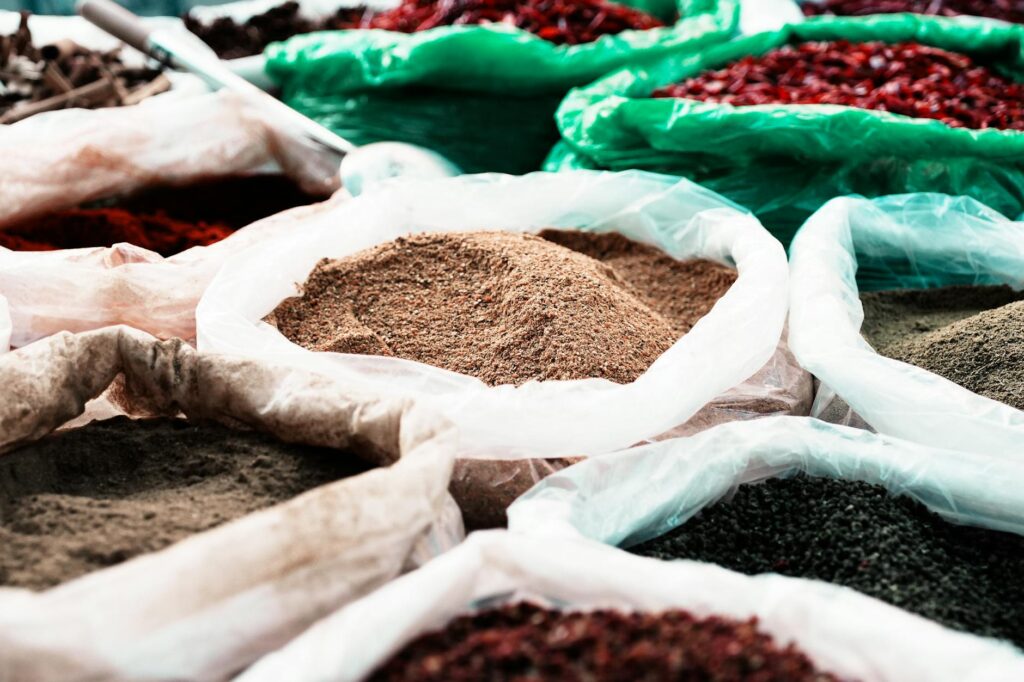
Salt Production by Country
Introduction
Salt, a simple mineral compound primarily composed of sodium chloride (NaCl), plays a vital role in culinary practices, food preservation, and various industrial applications. Its significance transcends geographical boundaries, being a staple in kitchens around the globe. This article explores the production of salt by country, examining the various regions where it is harvested, the historical context surrounding its use, and the processes that define its quality and applications.
What Is Regions?
In the context of salt production, “regions” refers to the geographical areas where salt is sourced, each with unique characteristics influenced by environmental factors, local traditions, and technological advancements. Salt production can be broadly categorized into three main types: sea salt, rock salt, and evaporated salt. The methods of extraction and the resulting product can vary significantly from one region to another, contributing to the diverse flavor profiles and textures associated with different salts.
History and Origins
The history of salt is deeply intertwined with human civilization. Archaeological evidence suggests that salt extraction dates back to ancient times, with early methods involving the collection of salt from evaporated seawater or the mining of salt deposits. The ancient Chinese, Egyptians, and Romans all recognized the value of salt, using it not only for culinary purposes but also as a means of trade and even as currency.
In Europe, the salt trade flourished during the Middle Ages, with towns like Salzburg in Austria and the Salinas de Añana in Spain becoming pivotal centers for salt production. Meanwhile, in Asia, countries like India and Japan developed their own unique salt production techniques, influenced by local climatic conditions.
The advent of industrialization in the 19th century revolutionized salt production, leading to the development of more efficient mining and evaporation techniques. Today, salt is produced in over 100 countries worldwide, with significant contributions from nations such as China, the United States, India, and Germany.
Production and Processing
Salt production methods vary significantly based on regional resources and technological capabilities. Broadly, the methods can be classified into three categories:
1. Sea Salt Production
Sea salt is derived from the evaporation of seawater. This method is particularly prevalent in coastal regions, where salt pans or evaporation ponds are established. The process involves channeling seawater into shallow basins, where it is left to evaporate under the sun and wind. The resulting salt crystals are harvested, washed, and sometimes further processed to remove impurities.
Countries known for sea salt production include:
- France: Renowned for its fleur de sel, harvested from the marshes of Guérande.
- Italy: The salt flats of Trapani in Sicily produce high-quality sea salt, often used in gourmet cooking.
- Portugal: The salt pans of the Algarve region yield traditional sea salt, known for its distinctive flavor.
- United States: The largest producer of rock salt, with notable mines in Michigan, New York, and Louisiana.
- Germany: Boasts extensive rock salt deposits in the region of Bavaria.
- Poland: The Wieliczka Salt Mine, a UNESCO World Heritage site, is one of the oldest salt mines in the world.
- India: The country has developed sophisticated techniques for the commercial production of evaporated salt.
- Australia: Known for its significant contributions to the global salt market, particularly in the production of food-grade salt.
- Sea Salt: Should be stored in an airtight container to prevent clumping and moisture absorption.
- Rock Salt: Generally has a long shelf life but should be kept in a dry environment.
- Evaporated Salt: Best stored in a cool, dry place, away from humidity.
2. Rock Salt Mining
Rock salt, also known as halite, is mined from underground salt deposits. These deposits were formed millions of years ago from the evaporation of ancient seas. Extraction methods include conventional mining, solution mining, and the use of brine wells.
Countries with significant rock salt production include:
3. Evaporated Salt Production
Evaporated salt is produced through the evaporation of brine, a concentrated solution of salt in water. This method is often used in locations where natural salt sources are limited. The process involves boiling brine in large evaporators, allowing for the crystallization of salt.
Countries engaged in evaporated salt production include:
Quality and Grading
The quality of salt is determined by several factors, including purity, mineral composition, and moisture content. Different regions may have specific grading systems, often influenced by local culinary traditions and industrial standards.
Purity and Mineral Composition
High-quality salt typically contains minimal impurities and has a consistent crystal structure. Some salts are enriched with additional minerals, such as magnesium and potassium, which can influence flavor and health benefits.
Moisture Content
The moisture content of salt can significantly affect its storage and usability. For example, sea salts may retain more moisture than rock salts, impacting their shelf life and performance in cooking.
Grading Systems
Many countries have established grading systems for salt. For example, in the United States, food-grade salt must meet specific purity standards defined by the Food and Drug Administration (FDA). In the European Union, salts are categorized according to their intended use, with specific regulations governing the labeling and quality of gourmet salts.
Buying Considerations
When purchasing salt, several factors should be taken into account:
Type of Salt
Different types of salt serve various culinary purposes. Sea salt is often favored for finishing dishes due to its distinct texture, while kosher salt is preferred for its ease of use in cooking. Rock salt is commonly used in industrial applications, while evaporated salt is popular for table salt.
Source and Origin
The source of the salt can greatly influence its flavor and quality. Gourmet salts from specific regions, such as Hawaiian black salt or Himalayan pink salt, may command higher prices due to unique production methods or mineral content.
Packaging and Storage
Consider the packaging of the salt, as moisture exposure can affect its quality. Airtight containers are ideal for preserving the integrity of the salt, especially in humid environments.
Uses and Applications
Salt’s versatility extends beyond culinary applications. Its uses can be categorized as follows:
Culinary Uses
Salt enhances flavor, preserves food, and aids in fermentation. It is an essential ingredient in cooking and baking, used to season meats, vegetables, and baked goods. Additionally, various salts are employed in finishing dishes, providing texture and visual appeal.
Industrial Applications
Salt is a crucial component in various industrial processes, including chemical production, water treatment, and de-icing roads. Its properties make it valuable in manufacturing chlorine and caustic soda, essential chemicals in numerous industries.
Cultural and Artistic Uses
In many cultures, salt holds symbolic significance. It is used in rituals, ceremonies, and even as a form of art. From salt sculptures to decorative salt cellars, its aesthetic appeal is widely recognized.
Storage and Shelf Life
Proper storage of salt is essential to maintain its quality. In general, salt has an indefinite shelf life when stored in a cool, dry place, away from moisture and contaminants. However, the shelf life may vary depending on the type of salt:
Common Misconceptions
Despite its ubiquity, several misconceptions about salt persist:
All Salt Is the Same
Not all salt is created equal. The flavor, mineral content, and texture can vary greatly between different types of salt, making some more suitable for specific culinary applications than others.
Salt Is Just for Flavoring
While salt is primarily known for enhancing flavor, it also plays a crucial role in food preservation and fermentation. Its antimicrobial properties help inhibit the growth of harmful bacteria in preserved foods.
Sea Salt Is Healthier Than Table Salt
The health benefits of salt depend more on overall dietary patterns than on the type of salt consumed. While some gourmet salts may contain trace minerals, excessive salt intake can lead to health issues regardless of the source.
Frequently Asked Questions
1. What is the difference between sea salt and table salt?
Sea salt is produced by evaporating seawater, retaining trace minerals that can influence its flavor and texture. Table salt, on the other hand, is typically mined from salt deposits and refined to remove impurities, often containing additives like anti-caking agents.
2. How is Himalayan pink salt different from regular salt?
Himalayan pink salt is mined from ancient sea salt deposits in the Himalayas and is known for its distinct pink color due to trace minerals. It is often marketed as a healthier alternative due to its mineral content, although it has similar sodium levels to regular salt.
3. Can I use rock salt for cooking?
While rock salt can be used in cooking, it is often coarser and less refined than table salt. It is more commonly used in industrial applications or for seasoning during cooking rather than as a direct substitute for table salt.
4. How do I choose the right salt for cooking?
Choosing the right salt depends on the dish and your personal preference. For general cooking, kosher salt is popular due to its ease of use. For finishing dishes, consider gourmet salts like fleur de sel or Maldon sea salt to add texture and flavor.
5. Is salt production environmentally sustainable?
Salt production can have environmental impacts, particularly with sea salt harvesting, which can affect local ecosystems. Sustainable practices, such as responsible water management and minimizing habitat disruption, are essential for environmentally conscious production.
6. How does salt affect food preservation?
Salt acts as a natural preservative by drawing moisture out of food and creating an inhospitable environment for bacteria. This property has been utilized for centuries in preserving meats, fish, and vegetables.
Conclusion
The production of salt is a fascinating blend of history, culture, and science that varies widely across different countries and regions. Understanding the nuances of salt production helps consumers make informed choices about the types of salt they use in their culinary endeavors. From the ancient traditions of harvesting sea salt to modern industrial applications, salt remains a vital ingredient that continues to shape our diets and industries worldwide.