
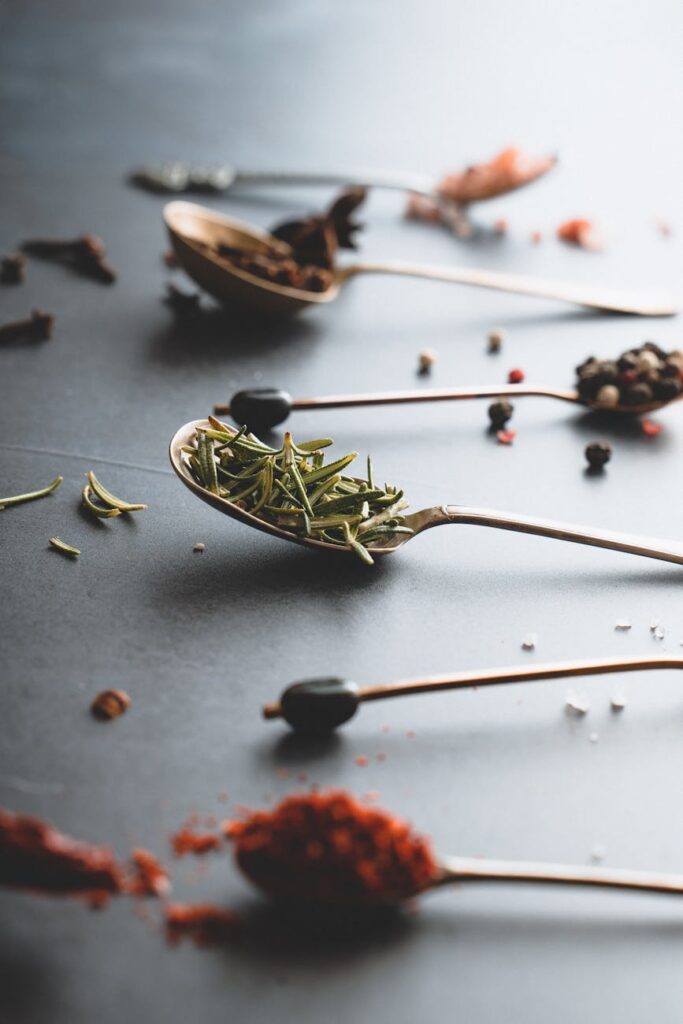
Savory Cultivation Explained
Introduction
Savory, a member of the mint family, is an aromatic herb that has gained considerable popularity in culinary applications. Known for its peppery flavor profile, savory is typically categorized into two main varieties: summer savory (Satureja hortensis) and winter savory (Satureja montana). This article delves into the cultivation of savory, exploring its history, production, quality grading, and applications, while also addressing common misconceptions surrounding this herb.
What Is Growing?
Growing, in the context of savory cultivation, involves various aspects of agricultural practices aimed at successfully producing this herb. This encompasses everything from seed selection and soil preparation to planting techniques, pest management, and harvesting. Savory is generally grown in temperate climates and can be cultivated in gardens, fields, or pots, making it a versatile choice for both commercial growers and home gardeners.
History and Origins
Savory has a rich history that dates back to ancient civilizations. It is believed to have originated in the Mediterranean region, where it was used not only as a culinary herb but also for its preservative qualities. Ancient Greeks recognized its culinary potential, using it to flavor dishes and enhance the aroma of wines. The Romans later adopted savory, spreading its use throughout Europe.
During the Middle Ages, savory was highly regarded, often mentioned in herbal texts for its flavor and medicinal properties. Its cultivation spread to England, where it became a staple in kitchens, especially in meat dishes. Today, savory is cultivated worldwide, with significant production in Europe and North America.
Production and Processing
Cultivation Practices
Savory is typically sown in late spring after the last frost when the soil temperature has warmed sufficiently. The herb thrives in well-drained, sandy or loamy soils with a pH between 6.0 and 7.0. It is best to choose a location that receives full sun, as savory plants flourish with at least six hours of sunlight per day.
Seeds can be sown directly into the garden or started indoors and later transplanted. When planted directly, seeds should be spaced approximately 12 inches apart to allow for adequate airflow among the plants. Regular watering is crucial during the initial growth stages, but once established, savory is relatively drought-resistant.
Pest and Disease Management
While savory is generally resilient, it can be susceptible to pests such as aphids, spider mites, and whiteflies. Organic pest control methods, including introducing beneficial insects like ladybugs, can effectively manage these issues. Fungal diseases, such as powdery mildew, can also affect savory plants, particularly in humid conditions. Ensuring proper air circulation and avoiding overhead watering can help mitigate these risks.
Harvesting
Savory is typically ready for harvest approximately 70 to 90 days after planting. The ideal time for harvesting is just before the plant flowers, as this is when the leaves contain the highest concentration of essential oils. Pruning the tips of the stems encourages bushier growth and more vigorous production. Freshly harvested savory can be used immediately or dried for later use.
Quality and Grading
The quality of savory is determined by several factors, including aroma, flavor, and appearance. High-quality savory should have vibrant green leaves and a strong, aromatic scent. When grading dried savory, various factors come into play:
- Color: Dried savory should retain a vibrant green hue, indicating freshness.
- Aroma: The scent should be robust and peppery, a marker of high essential oil content.
- Flavor: The taste should be pungent and slightly spicy, reflective of its culinary uses.
- Flavoring Meats: Savory pairs well with various meats, particularly lamb and poultry, enhancing their natural flavors.
- Soups and Stews: It is often added to hearty soups and stews to impart depth and warmth.
- Vegetable Dishes: Savory can elevate vegetable preparations, especially those involving beans or root vegetables.
- Herb Blends: It is a key ingredient in several herb blends, including herbes de Provence and za’atar, complementing other herbs like thyme and oregano.
- Fresh Savory: Store fresh savory in the refrigerator, ideally wrapped in a damp paper towel and placed in a plastic bag to retain moisture. It can last for about a week under these conditions.
- Dried Savory: For dried savory, store it in a cool, dark place in an airtight container. When stored properly,
Grading systems may vary by region, but these criteria are generally accepted in the industry. Buyers should look for reputable suppliers who adhere to quality standards to ensure they receive the best product.
Buying Considerations
When purchasing savory, whether fresh or dried, several factors should be taken into account:
1. Form: Decide whether you need fresh or dried savory, as each has its advantages. Fresh savory is vibrant and aromatic, while dried savory offers convenience and a longer shelf life.
2. Source: Opt for local growers or reputable suppliers who provide organic options when possible. This can often guarantee better quality and fewer pesticides.
3. Storage Conditions: When buying dried savory, check for proper packaging. Airtight containers protect against moisture and light, extending the herb’s shelf life.
4. Certification and Labeling: Look for certifications that indicate organic or sustainable farming practices, which can enhance the quality and environmental impact of the herb.
Uses and Applications
Savory is a versatile herb with numerous culinary applications. It is particularly popular in Mediterranean and Eastern European cuisines, where it is used to season meats, stews, and vegetable dishes. Some common uses include:
In addition to culinary uses, savory is sometimes included in herbal teas and infusions, valued for its aromatic qualities.
Storage and Shelf Life
Proper storage is essential to maintain the quality and potency of savory.