
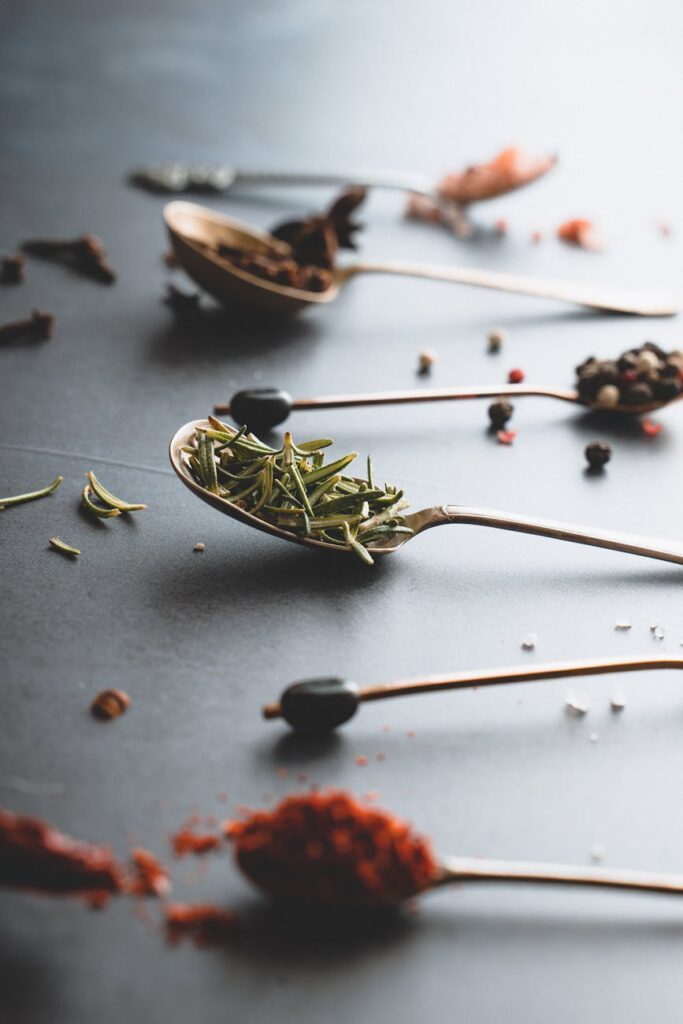
Savory FAQs Answered
Introduction
Savory is a term that encapsulates a wide range of flavors, aromas, and culinary techniques that contribute to the depth and richness of dishes. Often associated with umami, one of the five basic tastes, savory ingredients are pivotal in transforming ordinary meals into extraordinary experiences. This article aims to demystify savory by exploring its historical context, production methods, quality indicators, buying tips, uses, storage recommendations, and common misconceptions.
What Is Savory?
Savory refers to a rich flavor profile that enhances dishes without being sweet. It is characterized by a depth of flavor that often includes salty, bitter, and umami notes. While the term is often used to describe specific herbs, such as summer savory (Satureja hortensis) and winter savory (Satureja montana), it also encompasses a broader category of ingredients and cooking methods that contribute to the savory experience in cuisine. From meats and vegetables to fermented products and cheese, the savory spectrum is extensive and varied.
History and Origins
The concept of savoriness can be traced back through centuries of culinary tradition. Ancient cultures, including the Egyptians, Greeks, and Romans, recognized the importance of flavor in food preparation and preservation. Herbs and spices were used not only for taste but also for their preservative qualities.
Savory herbs like thyme and oregano were cultivated in ancient gardens, and their usage spread throughout Europe and beyond as trade routes opened. The introduction of umami in the late 19th century by Japanese chemist Kikunae Ikeda further refined our understanding of savory flavors, particularly through the discovery of monosodium glutamate (MSG) as a flavor enhancer.
Production and Processing
Savory ingredients come from both plant and animal sources and undergo various production and processing methods to amplify their flavors.
Plant-Based Savory Ingredients
Herbs such as thyme, rosemary, and sage are cultivated in a variety of climates and soils. They are typically harvested when their essential oils are most concentrated, which is often just before flowering. After harvesting, they may be dried, frozen, or used fresh in cooking.
Animal-Based Savory Ingredients
Meats, cheeses, and broths are also fundamental to savory flavors. The production of these ingredients includes various processes such as aging, fermentation, and curing. For example, the complex flavors in aged cheeses develop over time through enzymatic and microbial action.
Fermentation
Fermented foods like soy sauce, kimchi, and miso are quintessential examples of how savory flavors can be enhanced through microbial processes. Fermentation not only preserves food but also intensifies its taste profile, contributing to the umami experience.
Quality and Grading
The quality of savory ingredients can greatly influence the final taste of a dish.
Herbs and Spices
For dried herbs and spices, freshness is key. Quality can be assessed by their color, aroma, and flavor intensity. Premium products often come from trusted sources that ensure proper harvesting and drying techniques.
Meats and Cheeses
For meats and cheeses, grading systems vary by region. For example, in the United States, beef is graded by the USDA based on marbling and age, while cheeses may be graded on texture, flavor, and aroma. Higher grades typically yield more complex and satisfying savory experiences.
Buying Considerations
When purchasing savory ingredients, there are several factors to consider to ensure you are getting the best quality.
For Herbs and Spices
- Freshness: Opt for whole spices whenever possible, as they retain flavor longer than pre-ground varieties.
- Source: Purchase from reputable suppliers or specialty shops that focus on high-quality ingredients.
- Storage: Look for products stored in airtight containers away from light and heat.
- Sourcing: Seek out local farms or artisanal producers known for ethical practices and quality.
- Labels: Pay attention to labels indicating grass-fed, free-range, or organic, which could indicate a richer flavor.
- Aging: For cheeses, more aged varieties often offer deeper, more complex flavors.
For Meats and Cheeses
Uses and Applications
Savory ingredients are versatile and can be employed in various culinary contexts.
In Cooking
Savory herbs and spices can enhance the flavor of meats, vegetables, and grains. They can be used in marinades, rubs, and dressings to deepen the overall taste of a dish.
In Broths and Stocks
Savory flavors are foundational in creating broths and stocks, where various ingredients simmer together to produce a rich, complex liquid that serves as a base for soups, sauces, and stews.
In Fermented Foods
Savory fermented products like soy sauce and miso add depth to dishes and are often used as flavor enhancers in Asian cuisines.
Storage and Shelf Life
Proper storage is crucial for maintaining the quality of savory ingredients.
Herbs and Spices
Dried herbs and spices should be stored in a cool, dark place, ideally in airtight containers. Fresh herbs can be kept in the refrigerator, either wrapped in a damp paper towel or in water like flowers, to prolong their freshness.
Meats and Cheeses
Meats should be refrigerated or frozen if not used promptly, while cheeses can be stored in their original packaging or wrapped in cheese paper to maintain moisture and prevent spoilage.
Common Misconceptions
Misunderstandings about savory ingredients abound, often leading to confusion in culinary practices.
Sweet vs. Savory
One common misconception is that savory flavors lack the complexity of sweet ones. In reality, savory ingredients often possess intricate flavor profiles that can be just as nuanced and satisfying.
The Role of Salt
While salt is a key component in enhancing savory flavors, it is often mistaken as the sole contributor. Umami-rich ingredients like mushrooms, tomatoes, and aged cheeses provide depth beyond mere saltiness.
Frequently Asked Questions
1. What does ‘savory’ mean in cooking?
In cooking, ‘savory’ refers to flavors that are rich, salty, and umami, contributing to the overall depth of a dish without sweet elements.
2. Are savory and umami the same?
While they are related, savory is a broader term that encompasses various flavors, including umami, which specifically refers to a taste sensation often described as meaty or broth-like.
3. Can savory flavors be found in desserts?
Traditionally, savory flavors are not common in desserts; however, innovative chefs often incorporate herbs, spices, and even cheeses to create a complex flavor profile that challenges conventional boundaries.
4. How can I enhance the savory flavor of my dishes?
To enhance savory flavors, consider using umami-rich ingredients such as mushrooms, tomatoes, soy sauce, or aged cheeses. Proper seasoning with salt and herbs can also elevate the overall taste.
5. Is savory flavor associated with any specific cuisines?
Savory flavors are prevalent across many cuisines, from Italian and French to Asian and Latin American. Each culture employs unique ingredients and preparation methods to create distinct savory experiences.
6. How do I know if my herbs and spices are still good?
Check for freshness by examining the color, aroma, and flavor. If they lack vibrancy or have little scent, it’s a sign they may have lost potency and should be replaced.
Conclusion
Savory ingredients play a vital role in the culinary landscape, enhancing flavors and elevating dishes to new heights. Understanding their history, production, quality indicators, and applications can enrich your culinary endeavors. By navigating the complexities of savory with informed choices, you can create truly memorable dining experiences.