
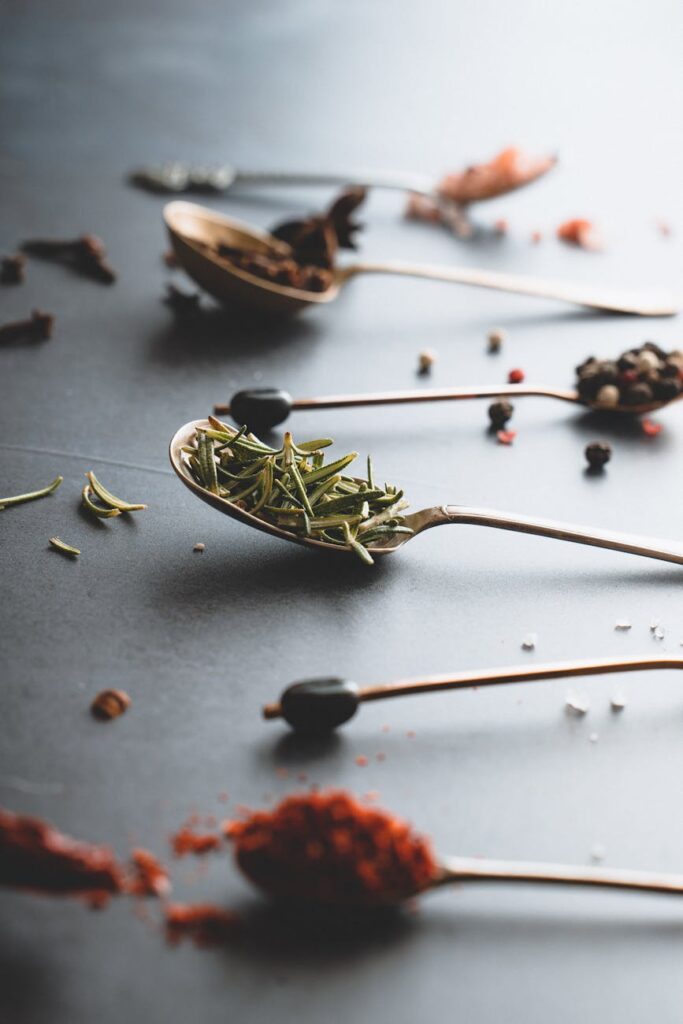
Savory in Traditional Cuisine
Introduction
Savory, often overshadowed by its more prominent herb counterparts like basil and thyme, is a culinary gem that has been utilized across various cultures for centuries. Known scientifically as Satureja, savory is a perennial herb that encompasses both summer savory (Satureja hortensis) and winter savory (Satureja montana). Each variant boasts a unique flavor profile and set of characteristics that contribute richly to traditional cuisines worldwide. This article will explore the multifaceted uses of savory, tracing its history, production, and applications in culinary practices.
What Is Uses?
The term “uses” in the context of savory refers to the various applications of the herb in culinary practices. It encompasses the ways savory enhances flavor, its role in traditional dishes, and its contributions to cultural heritage. Savory’s uses extend beyond mere seasoning; it plays a crucial part in regional cuisines, medicinal applications, and even preserving techniques.
History and Origins
Savory has a storied history that dates back to ancient civilizations. Originally cultivated in the Mediterranean region, its use can be traced to the Greeks and Romans. The herb was a staple in Roman cuisine, valued not only for its flavor but also for its purported health benefits. It made its way through Europe during the Middle Ages, often associated with culinary and medicinal applications.
In the Middle Ages, savory became a popular seasoning for meats, particularly in rich stews and dishes, as it helped to mask the taste of aging meat. The herb was also thought to possess aphrodisiac qualities, which led to its incorporation into various cultural traditions.
The versatility of savory allowed it to blend seamlessly into various cuisines. In Eastern European countries, it is often paired with beans and cabbage, while in French cuisine, it can be found in herbes de Provence and various meat dishes. Its ability to enhance flavors while adding depth has secured its place in kitchens worldwide.
Production and Processing
Savory thrives in warm, sunny climates, and is cultivated primarily in Mediterranean regions, though it can also be grown in temperate climates. The herb is typically harvested in late summer, just before flowering, to capture its peak flavor. Once harvested, the leaves can be used fresh, dried, or processed into essential oils.
Drying is a common method of preservation, allowing the herb to maintain its flavor and aroma. The drying process involves hanging the stems in a cool, dark place with good air circulation. Once dried, the leaves are stripped from the stems and stored in airtight containers away from light to preserve their potency.
Quality and Grading
The quality of savory can vary significantly based on its growing conditions, harvesting methods, and processing techniques. Premium quality savory should be vibrant in color, with a strong aroma and a robust flavor profile. When purchasing dried savory, look for leaves that are intact rather than crushed, as this indicates better quality and freshness.
Grading often takes into account the herb’s appearance, aroma, and flavor. High-quality savory is typically bright green, and when crushed, it should release a potent, peppery scent. Lesser grades may appear duller and lack the aromatic intensity that is characteristic of fresh or high-quality dried savory.
Buying Considerations
When purchasing savory, whether fresh or dried, there are several factors to consider:
1. Freshness: For fresh savory, look for vibrant, healthy leaves without signs of wilting or browning. Fresh herbs are best used immediately to capture their full flavor.
2. Dried versus Fresh: Dried savory is available year-round and offers convenience, but fresh savory is generally more aromatic and flavorful. Consider the intended use when deciding between the two.
3. Source: Whenever possible, purchase from reputable suppliers or local farmers’ markets to ensure quality. Organic options may also be preferable for those concerned about pesticide usage.
4. Form: Savory is available in various forms, including whole leaves, ground powder, and essential oils. Choose the form that best suits your culinary needs.
5. Packaging: For dried savory, look for airtight packaging that protects the herb from moisture and light.
Uses and Applications
Savory’s unique flavor profile lends itself to a plethora of culinary applications:
Culinary Uses
1. Seasoning: Savory is often used to season meats, particularly in roasted or grilled preparations. Its peppery flavor complements lamb, beef, and poultry exceptionally well.
2. Soups and Stews: In traditional cuisines, savory is a key ingredient in hearty soups and stews, enhancing their depth and complexity. It pairs well with legumes, particularly in Eastern European dishes.
3. Vegetable Dishes: Savory is frequently used in vegetable preparations, adding flavor to dishes featuring beans, lentils, and cabbage. Its ability to balance rich flavors makes it a staple in vegetarian cooking.
4. Stuffings and Marinades: Savory is commonly added to stuffings for poultry and game birds, as well as in marinades for meats. Its aromatic properties help to infuse flavors throughout the dish.
5. Herb Blends: In French cuisine, savory is a component of herbes de Provence, a blend that enhances a variety of dishes, from ratatouille to roasted vegetables.
6. Infusions: Savory can be infused into oils and vinegars, creating flavored condiments that enhance salads and other dishes.
Non-Culinary Uses
Beyond the kitchen, savory has found applications in herbalism and traditional medicine, although these uses are not the primary focus of this article. Its aromatic properties have also made it popular in the production of essential oils and in the fragrance industry.
Storage and Shelf Life
Proper storage is essential to maintain the flavor and aroma of savory. Fresh savory can be stored in the refrigerator, wrapped in a damp paper towel and placed in a plastic bag, for up