
Savory Myths and Misconceptions
Introduction
Savory is a term often used in culinary contexts to describe a category of flavors that are rich, complex, and umami-forward. However, as with many culinary terms, misunderstandings abound. In this article, we will explore the many myths and misconceptions surrounding savory flavors, delving into its history, production, quality grading, and more. By unpacking these myths, we aim to provide a comprehensive understanding of savory that enhances both culinary knowledge and appreciation.
What Is Savory?
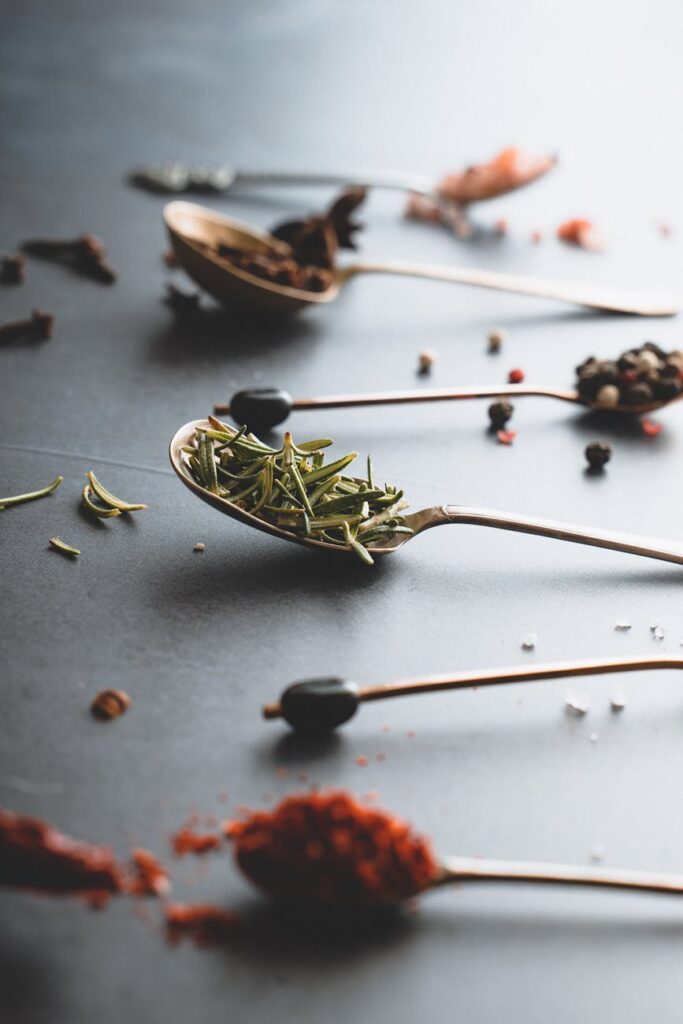
Savory is often contrasted with sweet, encompassing flavors that are more complex and nuanced. The term broadly refers to a range of herbs, spices, and foods that contribute deep, rich, and satisfying tastes to dishes. Common savory ingredients include herbs like thyme, rosemary, and sage, as well as spices like cumin and paprika. Additionally, savory flavors can be derived from meats, mushrooms, and fermented products such as soy sauce and miso. Understanding the category of savory is essential for any culinary enthusiast, as it plays a critical role in flavor balancing and overall dish composition.
History and Origins
The concept of savory dates back to ancient civilizations, where the pursuit of flavor enhancement was paramount. The use of herbs and spices to create savory dishes can be traced to Mesopotamia, where culinary traditions began to flourish around 3000 BCE. Herbs like dill and coriander were used not only for flavor but also for their preservative qualities.
In Ancient Rome, savory herbs were integral to cooking, with Apicius, a Roman gourmet, documenting numerous recipes that highlighted their importance. Over time, the use of savory ingredients spread across Europe and Asia, each culture adapting and incorporating local ingredients to create unique savory profiles. Today, savory flavors are celebrated globally, forming the backbone of many traditional cuisines, from Italian to Chinese.
Production and Processing
The production and processing of savory ingredients vary widely depending on the type in question. Fresh herbs are typically harvested and sold in their natural state, while dried herbs undergo a process of dehydration to preserve their flavor. Industrial processing of savory spices often involves grinding, blending, and sometimes even toasting to enhance their aromatic properties.
In the case of fermented savory products, such as soy sauce, the process can be intricate and time-consuming, involving the fermentation of soybeans and wheat. The resulting umami-rich liquid is a staple in many culinary traditions, offering a depth of flavor that is difficult to replicate.
Quality and Grading
The quality of savory ingredients can significantly influence their flavor profile. Fresh herbs should be vibrant in color and aromatic, while dried herbs and spices should have a strong, distinct fragrance. Quality grading can depend on several factors, including origin, cultivation methods, and processing techniques.
For instance, high-quality spices are often sourced from specific regions known for their unique growing conditions, such as the Indian subcontinent for cumin or the Mediterranean for oregano. Similarly, fresh herbs grown in nutrient-rich soil and harvested at their peak will yield a superior flavor compared to those that are mass-produced.
Buying Considerations
When purchasing savory ingredients, several factors should be considered to ensure the best quality and flavor. Fresh herbs should be inspected for wilting or discoloration, while dried herbs and spices should be bought from reputable sources to avoid stale or adulterated products.
When selecting spices, whole spices are generally preferred over pre-ground varieties, as they retain their essential oils and flavors for a longer period. For dried herbs, look for those that are stored in airtight containers away from light and heat, as these conditions can degrade their quality over time.
Uses and Applications
Savory ingredients are incredibly versatile and can be used in a variety of culinary applications. Fresh herbs can be used as garnish or blended into sauces and dressings, while dried herbs and spices can enhance the flavor of marinades, soups, stews, and roasted dishes.
Savory flavors are also critical in creating depth in plant-based dishes, providing a satisfying taste experience that can rival that of meat-based meals. Fermented savory ingredients like miso can be used to create umami-rich broths, while spices can be blended to develop complex flavor profiles in curries and spice mixes.
Storage and Shelf Life
The storage and shelf life of savory ingredients play a significant role in maintaining their flavor integrity. Fresh herbs should be stored in the refrigerator, ideally wrapped in a damp paper towel and placed in a sealed container. Under optimal conditions, they can last for up to a week.
Dried herbs and spices, on the other hand, should be stored in a cool, dark place in airtight containers. Whole spices can last for several years, while ground spices typically have a shelf life of one to three years. Regularly checking the aroma and flavor of your spices is a good practice, as their potency can diminish over time.
Common Misconceptions
Despite the widespread appreciation for savory flavors, several myths and misconceptions persist. Understanding these misunderstandings can greatly enhance culinary practices and experiences.
Myth 1: Savory Equals Salty
One of the most common misconceptions is that savory flavors are synonymous with saltiness. While salt is often used to enhance savory dishes, the term “savory” refers to a broader range of flavors, including umami, herbal, and spicy notes.
Myth 2: All Herbs Are Savory
Not all herbs fall into the savory category. While many culinary herbs, such as basil and thyme, are indeed savory, others like mint and parsley are often classified as fresh and bright, lending a different flavor profile.
Myth 3: Dried Herbs Are Inferior to Fresh
While fresh herbs are often lauded for their vibrant flavor, dried herbs can be just as effective when used correctly. Their concentrated flavors can enhance dishes, especially in long-cooking recipes where the flavors have time to meld.