
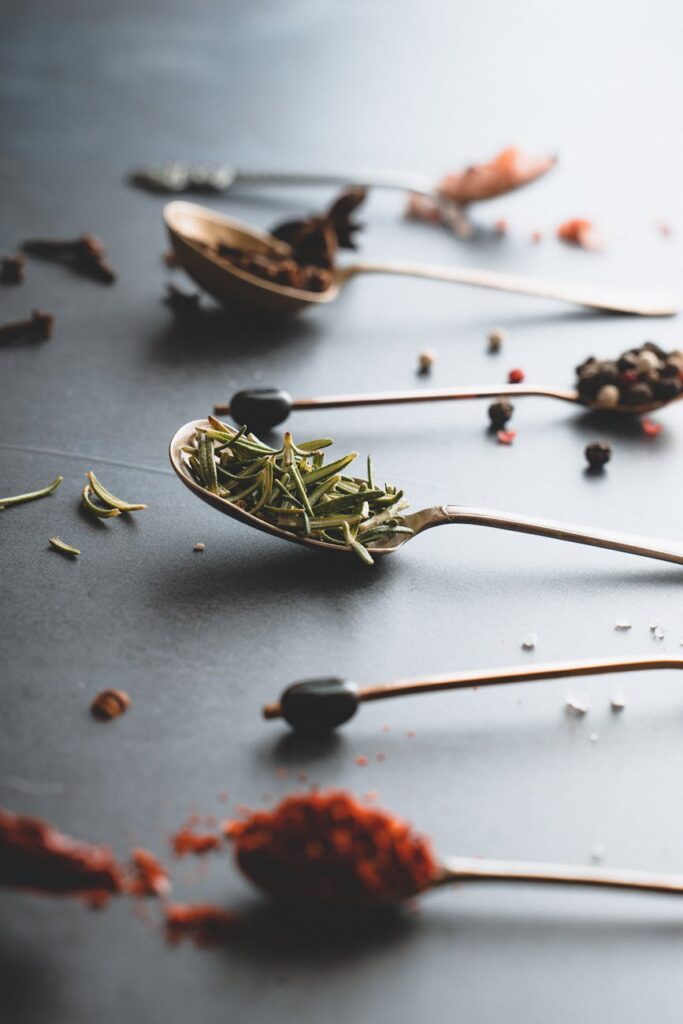
Savory Production by Country
Introduction
Savory, often referred to as “savory herbs,” encompasses a variety of aromatic plants that contribute a rich, earthy flavor profile to a wide range of culinary dishes. Primarily known for its use in Mediterranean cuisine, savory has gained popularity globally. This article delves into savory production by country, exploring its historical roots, processing methods, quality grading, and various uses in cooking and beyond.
What Is Savory?
Savory primarily refers to two species: summer savory (Satureja hortensis) and winter savory (Satureja montana). Both are members of the mint family and are characterized by their robust flavor, often described as a blend of thyme and mint. Summer savory is typically used in warm weather while winter savory thrives in cooler climates. The herb is integral to various regional cuisines, including French, Italian, and Middle Eastern, and is recognized for enhancing the taste of meats and vegetables.
History and Origins
The origins of savory date back to ancient times. Historical records suggest that savory was cultivated in the Mediterranean region as early as the Roman Empire, where it was valued not only for its flavor but also for its medicinal properties. The Romans introduced savory to other parts of Europe, where its popularity continued to grow. In medieval times, it was commonly used in cooking and as a preservative for meats.
Different countries have embraced savory throughout the years, adapting it to their culinary traditions. In France, it became a staple in herb mixes like herbes de Provence, while in Italy, it is often paired with beans and meats. The herb’s ability to thrive in diverse climates has allowed it to spread across continents, from North America to Asia.
Production and Processing
Major Producing Countries
1. United States: In the U.S., savory is primarily grown in California and the Midwest. The climate, characterized by warm summers and mild winters, is conducive to growing both summer and winter savory.
2. France: France is renowned for its culinary herbs, including savory. The Provence region is especially famous for its high-quality summer savory, often harvested by hand to ensure optimal flavor.
3. Germany: In Germany, savory is commonly used in traditional dishes, particularly in sausages and stews. The country’s favorable climate supports extensive cultivation.
4. Italy: Italy’s diverse agricultural landscape allows for the cultivation of both summer and winter savory, with a strong emphasis on organic farming practices.
5. Turkey: Turkey is a significant producer of savory, particularly in the Aegean region, where the herb is integral to local cuisine.
Cultivation Techniques
Savory is typically grown in well-drained soils with full sun exposure. The plants are usually propagated from seeds, although cuttings can also be used for winter savory. Regular pruning promotes bushier growth and enhances flavor concentration. Harvesting is usually done during the flowering phase when the flavors peak, often in late summer for summer savory and late spring for winter savory.
Processing
Post-harvest, savory is usually dried to extend its shelf life. The drying process involves air drying or using dehydrators to maintain the herb’s aromatic qualities. Once dried, it can be crushed or left whole, depending on market demand.
Quality and Grading
The quality of savory is assessed based on several criteria, including aroma, color, and flavor intensity. High-quality savory should have a vibrant green color, a strong, pleasant aroma, and a balanced flavor profile. In commercial markets, savory is often graded into categories such as premium, standard, and culinary grade, with premium varieties being sought after for gourmet cooking.
Buying Considerations
When purchasing savory, whether fresh or dried, consumers should consider the following factors:
- Freshness: For fresh savory, look for bright green leaves without wilting or browning.
- Dried Form: When buying dried savory, opt for whole leaves or high-quality crushed forms, avoiding blends that may contain fillers.
- Source: Organic certification is often a consideration for health-conscious consumers, ensuring that the herb is free from harmful pesticides and chemicals.
- Packaging: Proper packaging protects the herb from moisture and light, preserving its flavor and aroma.
- Culinary Uses: Savory is often used in meat dishes, especially in seasoning sausages, stews, and marinades. It complements beans, vegetables, and even certain fruits, enhancing their flavors.
- Herb Blends: It is a key ingredient in herb blends like herbes de Provence and za’atar, enriching the flavor profiles of numerous dishes.
- Infused Oils and Vinegars: Savory can be infused into oils and vinegars, offering a unique flavor twist to dressings and marinades.
- Beverages: In some cultures, savory is even used in herbal teas or infused into cocktails for a distinct taste.
- Fresh Savory: Store fresh savory in the refrigerator, wrapped in a damp paper towel and placed in a plastic bag. It typically lasts about one week.
- Dried Savory: Dried savory should be kept in an airtight container in a cool, dark place. When stored properly, it can retain its flavor for up to two years, though it is best used within six months for optimal taste.
Uses and Applications
Savory is renowned for its versatility in various culinary applications:
Storage and Shelf Life
Proper storage is crucial for maintaining the quality of savory:
Common Misconceptions
Misconception 1: All Savory is the Same
While both summer and winter savory share similar flavors, they have distinct characteristics and uses in cooking. Summer savory is milder and is often used in lighter dishes, while winter savory has a stronger flavor that can stand up to hearty meals.
Misconception 2: Savory is Just Thyme
Many people confuse savory with thyme due to their similar flavor profiles. However, while they belong to the same family, they offer different taste experiences and culinary applications.
Misconception 3: Dried Savory is Inferior to Fresh
While fresh savory has a vibrant flavor, dried savory can still be potent if processed correctly. It is important to choose high-quality dried varieties to ensure a robust taste.
Frequently Asked Questions
1. What is the difference between summer and winter savory?
Summer savory is milder and more delicate, ideal for lighter dishes, while winter savory has a stronger, more intense flavor suitable for robust meals.
2. Can savory be grown indoors?
Yes, savory can be grown indoors in pots with adequate sunlight, making it a great option for home gardeners year-round.
3. How can I tell if my dried savory is still good?
Check for aroma and color. If the savory has lost its fragrance or appears dull and faded, it may be past its prime.
4. Is savory commonly used in any specific cuisines?
Yes, savory is frequently used in Mediterranean, Middle Eastern, and Central European cuisines, enhancing various meat and vegetable dishes.
5. What are the best pairings for savory?
Savory pairs well with beans, meats, and root vegetables. It is also effective in seasoning soups and stews.
6. Can I substitute savory for other herbs?
Savory can be substituted for thyme or oregano in many recipes, though adjustments may be necessary to account for its distinct flavor.
Conclusion
Savory is a multifaceted herb that plays a vital role in numerous cuisines worldwide. From its historical roots to contemporary applications in kitchens, understanding savory’s production by country, quality, and uses enriches our appreciation of this aromatic ingredient. As culinary interests evolve, savory remains a timeless staple, inviting exploration and creativity in the world of gastronomy.