
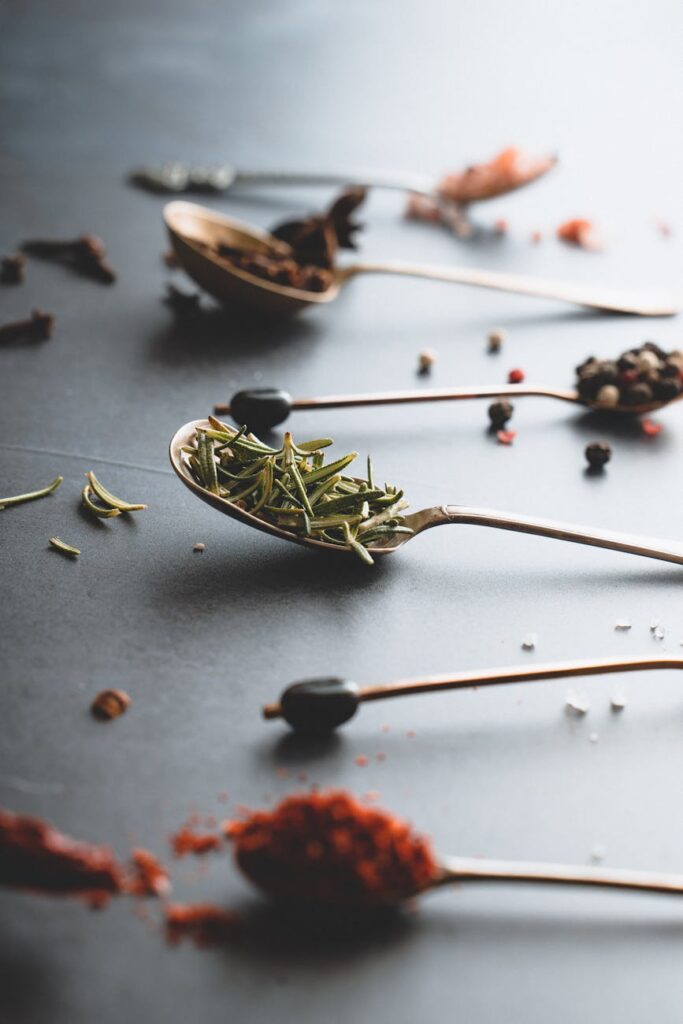
Savory Uses Guide Part 7
Introduction
Savory, a versatile herb renowned for its aromatic profile, plays a significant role in culinary traditions worldwide. This guide aims to provide an in-depth exploration of savory’s various uses, from its historical significance to practical applications in modern cooking. Understanding savory’s multifaceted characteristics not only enhances culinary creativity but also ensures its proper utilization in various dishes.
What Is Savory?
Savory is primarily represented by two species: summer savory (Satureja hortensis) and winter savory (Satureja montana). Both species belong to the mint family and boast a unique flavor profile that combines peppery, slightly minty, and earthy notes. Summer savory is typically used fresh or dried, while winter savory has a more robust flavor and is often used dried. Savory is not just a flavor enhancer; it also has a rich history and cultural significance in various cuisines.
History and Origins
Savory has a storied history that dates back to ancient civilizations. It was used by the Greeks and Romans, who valued its culinary properties and medicinal qualities. The herb was believed to have aphrodisiac properties, making it a popular ingredient in love potions. Historically, savory has been cultivated in the Mediterranean region, where its warm climate allows for optimal growth. Over the centuries, it has spread across Europe and into the Americas, becoming a staple in many culinary traditions.
Production and Processing
Savory is cultivated primarily in temperate climates. It thrives in well-drained soil and requires full sun for optimal growth. The herb is usually harvested just before flowering to capture its peak flavor. After harvesting, savory can be used fresh or dried. Drying is a common method of preservation that concentrates the flavor. To dry savory, the herbs are typically hung in bundles in a cool, dark place or dried using food dehydrators or ovens at low temperatures.
Quality is paramount in the production of savory. Factors such as soil quality, climate, and harvesting time can significantly affect flavor and aroma. Fresh savory should have vibrant green leaves and a strong, aromatic scent, while dried savory should be stored in airtight containers away from light and moisture to maintain its potency.
Quality and Grading
When it comes to evaluating savory, several parameters dictate quality and grading. For fresh savory, visual cues such as leaf color, texture, and aroma are essential indicators. Healthy leaves should be rich in color, undamaged, and fragrant. For dried savory, a good indicator is the intensity of the aroma; it should be strong and unmistakable.
In commercial settings, savory is often graded based on these characteristics, with higher-quality herbs fetching premium prices. Buyers should look for reputable suppliers who adhere to stringent quality control measures to ensure they receive a product that meets culinary standards.
Buying Considerations
When purchasing savory, whether fresh or dried, several factors should be taken into account:
1. Source: Opt for local producers or reputable brands that prioritize sustainable farming practices. Fresh herbs from local markets often have superior flavor.
2. Form: Consider whether you need fresh or dried savory. Fresh herbs are more aromatic but have a shorter shelf life, while dried herbs offer convenience and long-term storage.
3. Appearance: For fresh savory, look for vibrant, unblemished leaves. For dried savory, ensure the color is consistent and the aroma is strong.
4. Organic Certification: If pesticide use is a concern, choosing organic savory can be beneficial.
5. Storage: Ensure that the packaging is appropriate for maintaining freshness, particularly for dried products.
Uses and Applications
Savory is celebrated for its diverse applications in culinary practices. Here are some significant uses:
1. Culinary Applications
Savory is a staple in various cuisines, particularly Mediterranean and Eastern European. It is commonly used in:
- Meat Dishes: Savory complements meats such as lamb, pork, and poultry. Its flavor enhances roasts, stews, and braises.
- Vegetable Dishes: The herb pairs well with hearty vegetables like beans, lentils, and root vegetables. It can be added to soups, braises, and stir-fries.
- Sauces and Marinades: Savory can be incorporated into tomato sauces, marinades, and dressings, adding depth and complexity.
- Fresh Savory: Store fresh savory in the refrigerator, wrapped in a damp paper towel and placed in a plastic bag. It typically lasts about one week.
- Dried Savory: Keep dried savory in a cool, dark place in an airtight container. When stored properly, dried savory can maintain its flavor for up to one year. It’s advisable to
2. Herbal Blends and Seasonings
Savory often features in spice blends such as Herbes de Provence, where it contributes to the overall flavor profile. It is also commonly used in seasoning mixes for meats and vegetables, providing a robust taste that enhances the overall dish.
3. Infusions and Oils
Savory can be infused into oils or vinegars, creating flavorful bases for dressings and marinades. Infused oils can be drizzled over dishes or used for cooking, imparting savory notes to the final product.
4. Flavor Pairings
Savory pairs well with various ingredients, enhancing their flavors. It complements garlic, onion, and other herbs like thyme and rosemary. Additionally, it can enhance the taste of dairy products such as cheese and cream, making it an excellent addition to dips and spreads.
5. Preservation Techniques
Savory can be used in preservation methods, such as pickling or brining. Its natural antimicrobial properties make it an excellent choice for flavoring pickled vegetables, contributing to both taste and longevity.
Storage and Shelf Life
Proper storage is essential for maintaining the flavor and freshness of savory.