
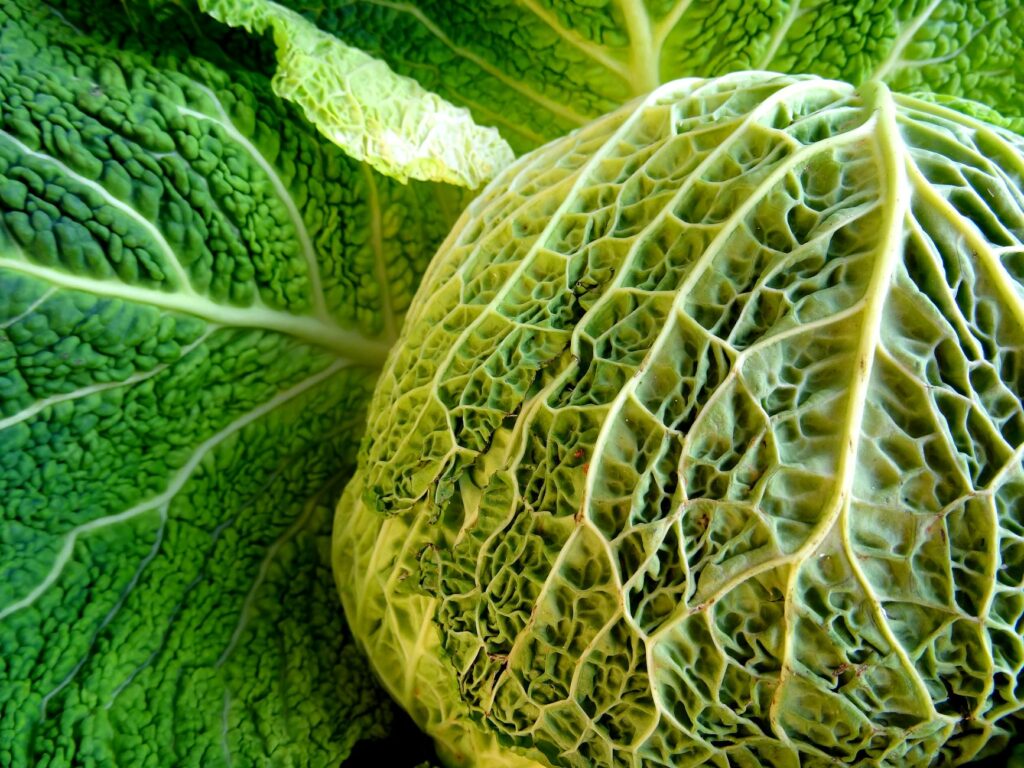
Savoy Cabbage Cultivation Explained
Introduction
Savoy cabbage, known for its crinkled, ruffled leaves and a milder flavor compared to its green and purple counterparts, is a leafy vegetable that has gained popularity among chefs and home cooks alike. Its distinct texture and taste make it a versatile ingredient in various culinary applications. This article delves into the intricacies of growing Savoy cabbage, exploring its history, production methods, quality standards, and more, providing a comprehensive understanding for enthusiasts and agricultural practitioners.
What Is Growing?
Growing refers to the biological process through which plants develop from seeds into mature plants. This process encompasses various stages, including germination, vegetative growth, and reproduction. In the context of Savoy cabbage, growing involves understanding its specific requirements for soil, climate, water, and nutrients, all of which contribute to the successful cultivation of this unique vegetable.
Savoy cabbage is a biennial plant, typically grown as an annual vegetable, and thrives in cooler climates, making it a favorite in temperate regions. Proper cultivation techniques can significantly enhance yield and quality, making it essential for both commercial producers and home gardeners to understand the nuances of Savoy cabbage growth.
History and Origins
The origins of Savoy cabbage can be traced back to the Mediterranean region, with a rich history dating back to the Roman Empire. It is believed that the name “Savoy” comes from the Savoy region in France, where this variety was cultivated extensively. Over the centuries, Savoy cabbage has been embraced across Europe and beyond, prized for its tender leaves and adaptability to various culinary traditions.
In the 18th century, Savoy cabbage gained popularity in France and England, where it was often enjoyed in stews and as a side dish. Today, it is cultivated worldwide, with notable production in countries like China, Japan, and the United States. The evolution of cultivation techniques and breeding programs has led to the development of various Savoy cabbage cultivars, each with unique characteristics.
Production and Processing
Cultivation Techniques
Savoy cabbage is typically grown in well-drained, fertile soil with a pH range of 6.0 to 7.5. The plant prefers cooler temperatures, usually between 60°F to 70°F (15°C to 21°C). Here’s a step-by-step guide to the cultivation process:
1. Seed Selection: Choose high-quality seeds from reputable sources. Various cultivars, such as ‘Savoy King’ and ‘Winterbor’, offer different attributes, including leaf texture and maturity time.
2. Soil Preparation: Prepare the soil by tilling and adding organic matter, such as compost or well-rotted manure, to enhance fertility.
3. Sowing: Seeds can be sown directly in the garden or started indoors. If sowing indoors, transplant seedlings outdoors when they have at least two to three true leaves.
4. Watering: Ensure consistent moisture, especially during dry spells. Drip irrigation is ideal to prevent waterlogging and promote deep root growth.
5. Fertilization: Apply a balanced fertilizer rich in nitrogen, phosphorus, and potassium to support healthy growth. Side-dressing with compost during the growing season can also be beneficial.
6. Pest and Disease Management: Monitor for common pests like aphids, cabbage worms, and slugs. Implement integrated pest management (IPM) strategies to minimize chemical use.
7. Harvesting: Savoy cabbage is typically ready for harvest 70 to 90 days after planting. Look for heads that are firm and solid. Cut the heads with a sharp knife, leaving a few outer leaves intact for protection.
Post-Harvest Processing
After harvesting, Savoy cabbage requires careful handling to maintain its quality. The heads should be cleaned and any damaged leaves removed. Proper cooling methods, such as refrigeration, are essential to prolong shelf life.
Additionally, some producers may choose to process the cabbage for market, involving washing, cutting, and packaging. This value-added approach can enhance marketability and provide consumers with convenience.
Quality and Grading
Quality and grading of Savoy cabbage are determined by several factors, including:
- Appearance: The leaves should be vibrant green, free from discoloration, and exhibit a crinkled texture characteristic of Savoy varieties.
- Firmness: A quality head is firm to the touch, indicating freshness and good water content.
- Size: Standards may vary, but generally, a weight of 1.5 to 3 pounds per head is desirable.
- Pest Damage: Cabbage should be free from insect damage, mold, and other blemishes.
- Freshness: Choose heads that feel heavy for their size and have crisp, unwilted leaves.
- Seasonality: Savoy cabbage is typically in season during fall and early winter. Buying in season ensures optimal flavor and freshness.
- Source: If possible, buy from local producers or organic farms, as this often guarantees better quality and supports sustainable farming practices.
- Raw: Shredded Savoy cabbage adds a crunchy texture to salads and slaws, complementing various dressings.
- Cooked: It can be sautéed, steamed, or incorporated into soups and stews, where it retains its shape and flavor.
- Stuffed: The leaves are often used as wrappers for stuffed dishes, making them a popular choice in
In commercial settings, grading systems may categorize Savoy cabbage based on these criteria, influencing market price and consumer choice.
Buying Considerations
When purchasing Savoy cabbage, whether at a farmer’s market or grocery store, consider the following factors:
Uses and Applications
Savoy cabbage is a versatile ingredient celebrated for its unique texture and flavor. Its applications in the culinary world are numerous: