
Savoy Cabbage Myths and Misconceptions
Introduction
Savoy cabbage, with its crinkled, textured leaves and vibrant green color, is a culinary gem often overlooked in favor of its more common relatives, such as green and red cabbage. This article aims to dispel myths and misconceptions surrounding Savoy cabbage, offering a comprehensive understanding of its history, production, quality assessments, and culinary applications.
What Is Savoy Cabbage?
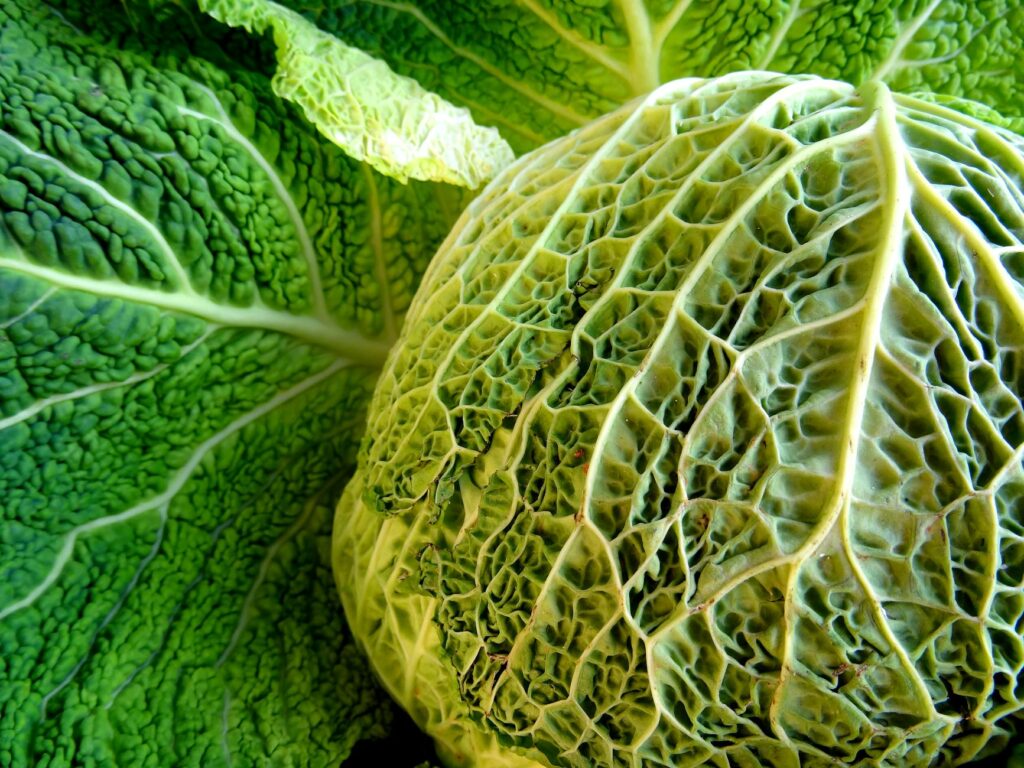
Savoy cabbage (Brassica oleracea var. sabauda) is a member of the Brassicaceae family, which also includes broccoli, kale, and cauliflower. What distinguishes Savoy cabbage is its unique leaf texture—crinkled and ruffled—along with its milder flavor. This variety is not only visually striking but also versatile in culinary uses. Savoy cabbage can be enjoyed raw in salads, lightly cooked in stir-fries, or incorporated into soups and stews.
History and Origins
The origins of Savoy cabbage trace back to the Savoy region of the Alps, straddling France and Italy, where it has been cultivated since the Middle Ages. Its unique texture and flavor were appreciated by various cultures over the centuries. Historical records indicate that it was favored by the French in the 16th century and became a staple in many European kitchens.
The adaptability of Savoy cabbage to different climatic conditions has allowed it to spread across the globe. Today, it is cultivated in numerous countries, with significant production in Europe, North America, and parts of Asia. Understanding this history provides insight into its culinary significance and the various ways it has been utilized throughout time.
Production and Processing
Savoy cabbage thrives in temperate climates, favoring cool weather for optimal growth. It is typically sown in spring or late summer, allowing for a harvest in early autumn or late winter. The cultivation process involves careful attention to soil quality, irrigation, and pest management, ensuring that the cabbages develop their characteristic texture and flavor.
Once harvested, Savoy cabbage undergoes sorting and grading to ensure only the best quality reaches consumers. The leaves are delicate and can easily be damaged, which necessitates careful handling during processing. Furthermore, its availability can vary seasonally, impacting its presence in markets worldwide.
Quality and Grading
Quality assessment of Savoy cabbage is based on several criteria, including leaf texture, color, and firmness. For optimal freshness, the leaves should be crisp and vibrant green, free from blemishes or signs of wilting. The core should be firm, indicating that the cabbage is fresh and has not begun to spoil.
Grading standards can vary by region, but generally, cabbages are classified as Grade A, B, or C based on their appearance and texture. Grade A Savoy cabbage will have tightly packed, unblemished leaves, while lower grades may have visible defects or less desirable characteristics. Understanding these grading distinctions is essential for consumers looking to select the best quality produce.
Buying Considerations
When purchasing Savoy cabbage, several factors should be taken into account. Look for cabbages that are heavy for their size, indicating a higher moisture content and freshness. The outer leaves should be tightly wrapped around the head, and any loose or wilted leaves should be avoided.
Seasonality also plays a role in the quality of Savoy cabbage. It is typically at its best in the cooler months, particularly from late autumn to early spring. When buying, consider local farms or farmer’s markets, as these sources often provide fresher produce compared to large retail chains.
Uses and Applications
Savoy cabbage is a versatile ingredient, lending itself to various culinary applications. Its delicate leaves can be used in salads, adding a crisp, refreshing element. When cooked, Savoy cabbage retains its texture better than other cabbage varieties, making it suitable for stir-fries and braises. It can also be used as a wrap for fillings, capitalizing on its pliability.
In addition to its culinary uses, Savoy cabbage can be fermented to create kimchi or sauerkraut, enriching its flavor profile while enhancing its preservation. Its adaptability in both raw and cooked forms makes it a popular choice among chefs and home cooks alike.
Storage and Shelf Life
Proper storage is crucial for maintaining the quality of Savoy cabbage. Ideally, it should be kept in the refrigerator, where it can last for about one to two weeks. Wrapping it in a damp paper towel and placing it in a perforated plastic bag can help maintain moisture levels and prevent wilting.
For longer storage, Savoy cabbage can be blanched and frozen, although this process may alter its texture. It is advisable to consume the cabbage within a few weeks of purchase to enjoy its optimal flavor and nutritional benefits.
Common Misconceptions
Misconception 1: Savoy Cabbage is Just Another Cabbage
Many people mistakenly believe that Savoy cabbage is merely an alternate form of green cabbage. While both belong to the same species, Savoy cabbage has distinct characteristics, including its unique texture and milder flavor, setting it apart from other varieties.
Misconception 2: All Cabbages Are the Same Nutritionally
Another common myth is that all cabbages have the same nutritional profile. In reality, while they share some similarities, Savoy cabbage is particularly rich in antioxidants, vitamins A and C, and dietary fiber. Its unique composition makes it a valuable addition to a balanced diet.
Misconception 3: Savoy Cabbage Is Difficult to Cook
Some home cooks avoid using Savoy cabbage due to the assumption that its delicate leaves are challenging to work with. However, its versatility allows it to be cooked in various ways without losing its appealing texture. Light steaming or sautéing can enhance its flavor without compromising its integrity.
Misconception 4: Savoy Cabbage Has a Strong Flavor
Sav