
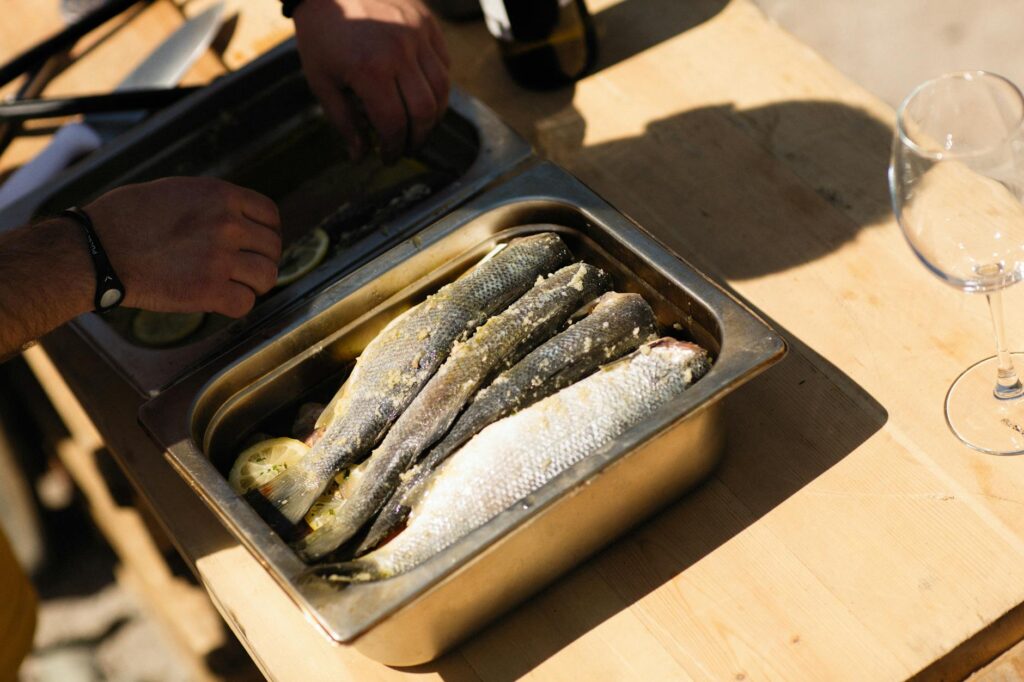
Sea Bass Buying Guide Part 6
Introduction
Sea bass, a term that encompasses various species within the family Moronidae and Serranidae, is a prized fish in culinary circles worldwide. Renowned for its delicate flavor and flaky texture, sea bass is a versatile ingredient that can be utilized in various cooking methods, including grilling, baking, and poaching. This buying guide aims to equip you with comprehensive knowledge on acquiring sea bass, covering essential aspects from its history to storage and common misconceptions.
What Is Buying?
Buying, in the context of food ingredients, refers to the process of selecting and purchasing products based on various criteria, including quality, freshness, and sustainability. For seafood, particularly sea bass, this involves understanding the source, seasonality, and grading of the fish. Buyers must consider not only their personal preferences but also ethical and environmental factors to ensure responsible consumption.
History and Origins
The history of sea bass can be traced back to ancient civilizations where it was a staple in coastal diets. Its popularity surged in Mediterranean countries, where it was often caught using artisanal fishing methods. Over the centuries, sea bass has become an essential part of various cultural cuisines, celebrated for its adaptability in dishes ranging from simple grilled preparations to sophisticated presentations in fine dining.
Today, the most commonly consumed species of sea bass include the European sea bass (Dicentrarchus labrax) and the Chilean sea bass (Dissostichus eleginoides). While the European variety thrives in the Atlantic and Mediterranean waters, the Chilean sea bass is primarily found in the Southern Ocean. Both species have distinct flavor profiles and textures, catering to a wide range of culinary applications.
Production and Processing
The production of sea bass can be categorized into wild-caught and farmed varieties. Wild-caught sea bass is typically considered to have superior flavor, as these fish grow in their natural habitats, feeding on a diverse diet. However, overfishing has led to concerns about sustainability, prompting a shift towards aquaculture.
Farmed sea bass, particularly the European variety, has gained traction due to its controlled environment that allows for consistent quality and availability. Sustainable farming practices focus on responsible feeding and habitat conservation, making farmed sea bass a viable option for environmentally conscious consumers.
Processing of sea bass generally involves cleaning, filleting, and packaging, which can vary based on market demand. It is essential to purchase from reputable suppliers who adhere to strict hygiene and handling standards to ensure the fish maintains its quality from sea to plate.
Quality and Grading
Quality is paramount when purchasing sea bass, as it affects both flavor and safety. The grading of sea bass can vary by region, but several universal indicators help determine freshness and quality:
1. Appearance: Fresh sea bass should have bright, clear eyes, shiny scales, and firm flesh. The skin should be moist and free from blemishes or discolorations.
2. Odor: A fresh sea bass should possess a mild, ocean-like scent. An overpowering fishy smell is a sign of spoilage.
3. Texture: When pressed gently, the flesh of fresh sea bass should spring back. If it leaves an indentation, the fish may not be fresh.
4. Color: The flesh should be translucent and have a slight sheen. Color can vary between species; for example, the Chilean sea bass has a pale, off-white hue.
Grading systems may vary by country, but purchasing from reputable sources that provide clear labeling can help ensure you are getting quality fish.
Buying Considerations
When buying sea bass, several factors should be taken into account to make an informed decision:
1. Source: Always inquire about the origin of the sea bass. Sustainable practices and ethical sourcing are crucial in reducing the impact on marine ecosystems.
2. Seasonality: Sea bass availability can vary by region and season. Understanding when the fish is at its peak can enhance both flavor and sustainability.
3. Form: Decide whether you prefer whole fish, fillets, or steaks. Whole fish can offer superior freshness and flavor, while fillets provide convenience.
4. Price: Prices can fluctuate based on seasonality, availability, and sourcing methods. Compare prices from various suppliers and be wary of significantly lower prices, which may indicate inferior quality.
5. Sustainability Certifications: Look for certifications such as Marine Stewardship Council (MSC) or Aquaculture Stewardship Council (ASC) that indicate responsible sourcing practices.
Uses and Applications
Sea bass is a versatile ingredient that lends itself to various culinary applications. Its mild flavor allows it to pair well with a wide range of ingredients, making it a favorite among chefs and home cooks alike. Here are some common uses:
- Grilling: Whole sea bass can be grilled, imparting a smoky flavor while retaining moisture. Its firm flesh holds up well to high heat.
- Baking: Baking sea bass with herbs and citrus enhances its natural flavors. The fish’s delicate texture allows it to absorb accompanying ingredients beautifully.
- Pan-Seared: Fillets can be pan-seared for a crispy exterior while maintaining a tender interior. This method is popular in fine dining establishments.
- Poaching: Poaching sea bass in broth or wine results in a tender, flavorful dish. This method is often employed in lighter culinary preparations.
- Ceviche: The firm flesh of fresh sea bass makes it an excellent choice for ceviche, where it can be marinated in citrus juices for a refreshing appetizer.
Storage and Shelf Life
Proper storage is vital for maintaining the quality and safety of sea bass. Here are key guidelines:
1. Refrigeration: Fresh sea bass should be stored in the coldest part of the refrigerator, ideally at a temperature between 32°F to 39°F (0°C to 4°C). Use it within one to two days of purchase for optimal freshness.
2. Freezing