
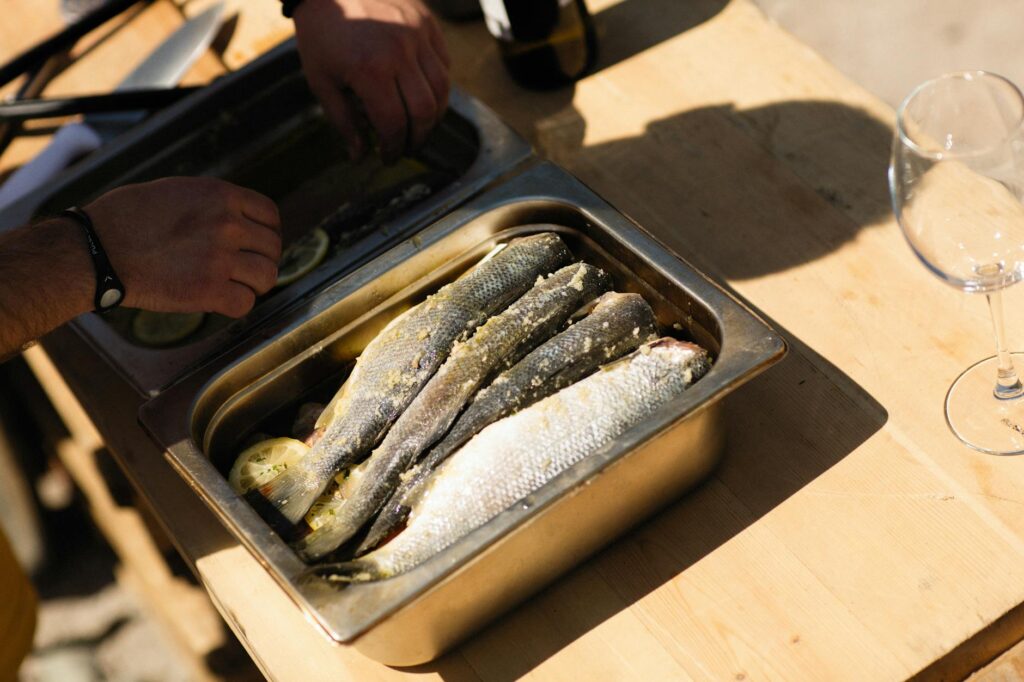
Sea Bass Cultivation Explained
Introduction
Sea bass is a highly sought-after fish in culinary circles, prized for its delicate flavor and firm texture. With a growing demand for sustainable seafood, understanding the cultivation of sea bass is crucial. This article delves into the intricacies of sea bass cultivation, covering its history, production methods, quality assessment, and more.
What Is Growing?
Growing, in the context of aquaculture, refers to the cultivation of aquatic organisms under controlled conditions. For sea bass, this encompasses breeding, raising, and harvesting fish in both natural and artificial environments. The aim is to provide a steady supply of this premium fish while ensuring sustainable practices that minimize environmental impact.
History and Origins
The term “sea bass” encompasses several species, with the European sea bass (Dicentrarchus labrax) and the striped bass (Morone saxatilis) being the most commonly referenced. The European sea bass has a long-standing history in Mediterranean cuisine, dating back to ancient Roman times. Its popularity grew as fishing techniques evolved, and as the global appreciation for seafood increased, so did interest in aquaculture.
Historically, wild-caught sea bass dominated the market; however, overfishing and habitat degradation prompted the shift towards aquaculture in the late 20th century. Countries like Greece, Turkey, and Spain pioneered sea bass farming, establishing best practices that ensure sustainability.
Production and Processing
Farming Methods
Sea bass is primarily cultivated in marine and brackish waters. The two predominant farming methods are:
1. Net Pen Farming: Fish are raised in large, floating net cages in coastal waters. This method allows for natural water flow and the benefits of a marine environment but can pose challenges such as disease management and environmental impact.
2. Recirculating Aquaculture Systems (RAS): This method involves raising fish in a controlled environment where water is continuously filtered and recirculated. RAS provides better control over water quality and reduces the risk of disease, making it more sustainable.
Feeding Practices
The dietary needs of sea bass are carefully managed to ensure optimal growth and health. Commercial feeds typically consist of fish meal, fish oil, vegetable proteins, and vitamins. The formulation aims to mimic the natural diet of wild sea bass, promoting healthy fish and minimizing the environmental impact of feed sourcing.
Harvesting
Harvesting usually occurs when fish reach a marketable size, typically between 1.5 to 3 kg. Fish are netted from their pens or tanks and then transported to processing facilities. Efficient harvesting techniques are vital to minimize stress on the fish and ensure the quality of the product.
Processing
Post-harvest, sea bass undergoes several processing steps, including gutting, scaling, and filleting. This is often done in facilities close to the farming site to maintain freshness. The fish is then packaged and distributed to markets or restaurants.
Quality and Grading
Quality assessment of sea bass is crucial for ensuring a premium product. Several factors are considered during grading:
- Size: Typically, larger fish command higher prices.
- Appearance: A fresh sea bass should have bright, clear eyes, shiny scales, and firm flesh.
- Odor: A mild, ocean-like scent is indicative of freshness, while a strong fishy smell can indicate spoilage.
- Texture: The flesh should spring back when pressed, indicating freshness.
- Source: Opt for fish from sustainable farms that adhere to ethical practices. Certifications like the Marine Stewardship Council (MSC) or the Aquaculture Stewardship Council (ASC) can provide assurance of sustainability.
- Freshness: Look for signs of freshness, including clear eyes, bright skin, and a mild scent.
- Price: While quality comes at a cost, be wary of prices that seem too good to be true, as they may indicate inferior quality or unsustainable practices.
- Seasonality: Understanding the seasonality of sea bass can help in accessing the freshest fish and potentially better prices.
Grading systems vary by region, but adherence to quality standards is vital for market acceptance.
Buying Considerations
When purchasing sea bass, several factors should be taken into account:
Uses and Applications
Sea bass is a versatile ingredient in various culinary traditions. Its mild flavor and firm texture make it suitable for numerous cooking methods, including grilling, baking, and pan-searing.
In Mediterranean cuisine, sea bass is often prepared simply with herbs, olive oil, and citrus to enhance its natural flavors. In Asian cuisines, it may be steamed or used in soups where the delicate taste can shine.
Additionally, sea bass is increasingly featured in gourmet dishes, where chefs experiment with complex flavor profiles, pairing it with sauces, marinades, and side dishes that complement its subtle taste.
Storage and Shelf Life
Proper storage is critical to maintaining the quality of sea bass. Fresh sea bass should be stored in the refrigerator at temperatures below 4°C (39°F) and ideally consumed within 1-2 days of purchase.
For longer storage, sea bass can be frozen. When freezing, it should be placed in airtight packaging to prevent freezer burn, and it can last for up to six months when properly stored. Thawing should be done in the refrigerator or under cold running water to maintain quality.
Common Misconceptions
Myth: All Sea Bass is Wild-Caught
While many people associate sea bass with wild-caught varieties, a significant portion of the market is supplied by aquaculture. This shift has allowed for more sustainable consumption patterns, reducing pressure on wild populations.
Myth: Farmed Sea Bass is Inferior
The perception that farmed sea bass is of lower quality is outdated. Modern aquaculture practices have improved significantly, ensuring that farmed sea bass can rival its wild-caught counterpart in flavor and texture.