
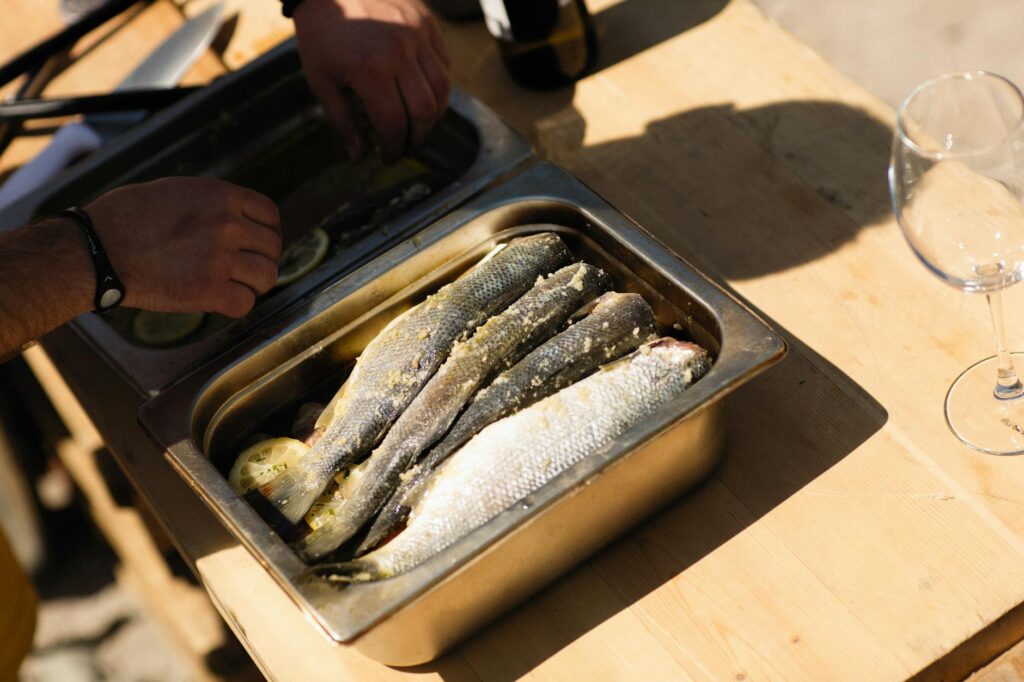
Sea Bass Growing Guide Part 7
Introduction
Sea bass is not only a prized catch in culinary circles but also a significant species in aquaculture. This guide aims to provide comprehensive insights into the various aspects surrounding the growth of sea bass, including its history, cultivation, processing, and market considerations. Whether you’re a fish farmer, a seafood enthusiast, or simply curious about this popular ingredient, understanding the nuances of sea bass cultivation will enhance your appreciation of this versatile fish.
What Is Growing?
In the context of sea bass, “growing” refers to the cultivation practices involved in raising the fish from hatchery to harvest. This process encompasses several stages, including breeding, larval rearing, juvenile development, and finally, grow-out phases that culminate in market-ready fish. The growth cycle of sea bass is influenced by various environmental factors, including water quality, temperature, and feeding practices. Understanding these factors is crucial for optimizing yields and ensuring the health of the fish throughout its lifecycle.
History and Origins
The term “sea bass” generally refers to several species belonging to the family Moronidae and the genus Dicentrarchus. The European sea bass (Dicentrarchus labrax) and the striped bass (Morone saxatilis) are among the most notable. Historically, sea bass has been a staple in Mediterranean cuisine, where it has been fished for centuries. Its popularity has led to increased interest in aquaculture, especially in Europe and the United States.
The cultivation of sea bass began in the 20th century, with European countries leading the way. Over the years, advancements in aquaculture technology have allowed for the efficient breeding and rearing of sea bass in controlled environments. As a result, sea bass has become one of the most cultivated fish species globally, responding to the growing demand for sustainable seafood options.
Production and Processing
Aquaculture Practices
Growing sea bass in aquaculture involves several critical steps:
1. Breeding: Sea bass breeding typically occurs in hatcheries, where controlled environments facilitate the spawning of broodstock. Successful breeding requires careful monitoring of water temperature, salinity, and photoperiod to stimulate reproductive behaviors.
2. Larval Rearing: After fertilization, eggs hatch into larvae within 24 to 48 hours. Larvae are initially fed live food, such as rotifers and brine shrimp, to ensure proper growth and development. This stage is critical, as larvae are highly sensitive to environmental conditions.
3. Juvenile Development: As the fish grow, they transition to a diet of formulated feed, which provides essential nutrients for optimal growth. During this phase, it is vital to maintain high water quality, as juvenile sea bass are susceptible to disease and stress.
4. Grow-Out Phase: In this final stage, juvenile sea bass are transferred to larger grow-out facilities, where they continue to develop until they reach market size. This phase can last from 6 months to over a year, depending on the desired weight and market conditions.
Processing
Once harvested, sea bass undergoes several processing steps to ensure quality and safety:
1. Cleaning and Filleting: After harvesting, the fish are cleaned and filleted, removing scales, entrails, and bones. Proper handling during this stage is crucial to maintain freshness.
2. Packaging: Processed sea bass is typically vacuum-sealed or packaged in ice to preserve its quality during transportation. This packaging helps to extend its shelf life and ensures that it reaches markets in optimal condition.
3. Distribution: Finally, the fish is distributed to various markets, including restaurants, grocery stores, and seafood wholesalers. Efficient logistics are vital to ensure that the fish remains fresh from sea to plate.
Quality and Grading
The quality of sea bass is determined by several factors, including size, texture, color, and overall freshness. Grading systems may vary by region, but common standards include:
- A Grade: Fish that are firm, have a glossy appearance, and exhibit bright, clear eyes. This grade is often sought after for high-end culinary applications.
- B Grade: Fish that may show slight imperfections, such as minor discoloration or less firmness. While still acceptable, this grade is generally used for processing or lower-end markets.
- C Grade: Fish that do not meet the quality criteria for higher grades, often due to size or condition. These may be used for canned or frozen products.
Understanding these grading systems is essential for buyers and consumers alike, ensuring that they select fish that meets their culinary needs.
Buying Considerations
When purchasing sea bass, consider the following factors to ensure you are getting a high-quality product:
1. Source: Look for sea bass that is sustainably sourced, whether from wild fisheries or aquaculture. Certifications from organizations like the Marine Stewardship Council (MSC) can guide buyers in making responsible choices.
2. Freshness: Fresh sea bass should have a mild ocean scent, bright eyes, and firm flesh. Avoid fish that appears dull or has a strong, fishy smell.
3. Sustainability Certifications: Check for certifications that indicate responsible farming practices, such as organic or Best Aquaculture Practices (BAP) certifications.
4. Seasonality: Depending on the region, sea bass may be more readily available during specific seasons. Understanding the seasonal availability can help you make informed purchasing decisions.
Uses and Applications
Sea bass is a versatile ingredient in various cuisines, particularly in Mediterranean and Asian dishes. Its mild flavor and firm texture lend themselves well to various cooking methods, including grilling, roasting, and steaming. Beyond culinary applications, sea bass is often featured in sushi and sashimi due to its delicate flavor profile.
In addition to its culinary uses, sea bass also plays a role in aquaculture education and sustainability discussions. As consumers become more aware of the environmental impact