
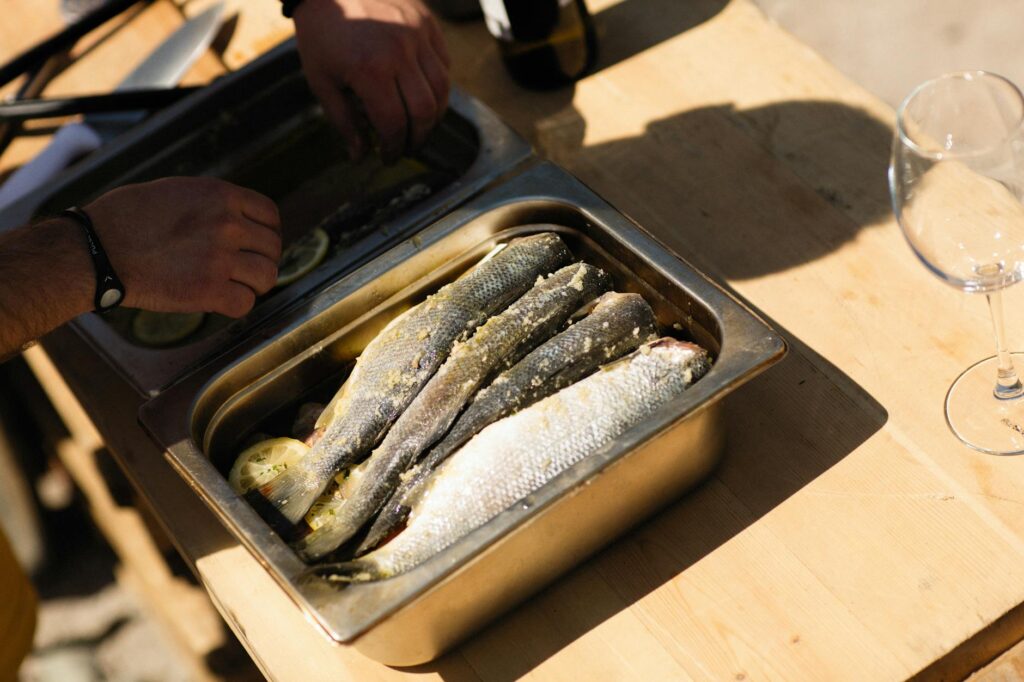
Sea Bass Regions Guide Part 6
Introduction
Sea bass is a versatile and highly sought-after fish, celebrated for its mild flavor and delicate texture. As one of the most popular seafood choices globally, it enjoys a significant presence in various culinary traditions. However, understanding the regions where sea bass is sourced provides invaluable insights into its quality, flavor profiles, and culinary applications. This guide delves into the diverse regions associated with sea bass, exploring their unique characteristics, historical significance, and culinary uses.
What Is Regions?
In the context of food ingredients, “regions” refers to the geographical areas where specific types of sea bass are found, caught, or farmed. Each region imparts unique characteristics to the fish due to varying environmental conditions, water salinity, and local fishing practices. By understanding these regions, consumers and chefs can make informed choices about the type of sea bass they select, ensuring optimal flavor and quality in their dishes.
History and Origins
The history of sea bass is as rich and varied as the regions from which it hails. Sea bass species, primarily from the family Moronidae and Serranidae, have been part of human diets for centuries. Archaeological evidence suggests that sea bass has been consumed since ancient civilizations, with references found in Roman texts and among Mediterranean cultures.
The European sea bass, also known as Dicentrarchus labrax, is predominant in the Mediterranean and along the Atlantic coasts. Its history is intertwined with fishing traditions in these regions, where artisanal fishing methods have been employed for generations. On the other hand, the Asian sea bass, or Lates calcarifer, is prevalent in Southeast Asia and has become a staple in local cuisines. This fish has been cultivated in aquaculture systems, which has significantly influenced its availability and production.
Production and Processing
Sea bass production occurs through both wild capture and aquaculture. The choice between these methods often depends on regional practices, sustainability concerns, and market demands.
Wild-Caught Sea Bass
Wild-caught sea bass typically comes from the Atlantic Ocean, Mediterranean Sea, and coastal waters of Europe. Fishermen utilize various methods, including gillnetting and longlining, to capture these fish. The fishing season and regulations vary by region to ensure sustainable practices and maintain fish populations.
Farmed Sea Bass
Aquaculture has become a prominent method for sea bass production, particularly for the Asian sea bass. Countries such as Thailand and Vietnam lead in farmed sea bass production through controlled environments that optimize growth rates and minimize environmental impacts. Farming practices also include the use of recirculating aquaculture systems (RAS), which help conserve water and reduce pollution.
Processing of sea bass involves cleaning, filleting, and packaging, often occurring close to fishing areas or aquaculture farms to maintain freshness. Quality control measures are essential during this phase to ensure that the fish meets safety and quality standards.
Quality and Grading
Quality and grading of sea bass can significantly influence its market value and culinary suitability. Factors such as freshness, appearance, and texture are critical in determining quality. In general, high-quality sea bass should exhibit clear, bright eyes, firm flesh, and a pleasant sea-like aroma.
Grading Systems
Different regions may employ various grading systems, but common indicators of quality include:
- Grade A: The highest quality, characterized by firm, moist flesh and minimal blemishes.
- Grade B: Slightly lower quality, may have minor imperfections but is still suitable for consumption.
- Grade C: Lower quality, often reserved for processing or other culinary uses.
- Eyes: Look for clear and bulging eyes; cloudy eyes indicate age.
- Gills: Bright red gills suggest freshness, while dull or brown gills may indicate spoilage.
- Skin: Shiny and moist skin is a good sign, while dry or dull skin can suggest a loss of freshness.
- Mediterranean Cuisine: In Mediterranean cooking, sea bass is often grilled and served with olive oil, lemon, and fresh herbs.
- Asian Cuisine: In Asian culinary traditions, sea bass is frequently steamed with soy sauce and ginger or used in curries, showcasing its adaptability to bold flavors.
- All Sea Bass Are the Same: There are numerous species of sea bass, each with distinct flavor profiles and textures. Understanding these differences can
Understanding these grading systems can aid consumers in selecting the best possible sea bass for their culinary needs.
Buying Considerations
When purchasing sea bass, several factors should be taken into account to ensure the best quality and taste.
Freshness Indicators
Sourcing
Consider sourcing sea bass from reputable suppliers who prioritize sustainability. Certification from organizations such as the Marine Stewardship Council (MSC) or the Aquaculture Stewardship Council (ASC) can provide assurance regarding the sustainability of the fishery or farm.
Uses and Applications
Sea bass is highly versatile in culinary applications, making it a favorite among chefs and home cooks alike. It can be prepared in various ways, including grilling, baking, steaming, and frying. Its mild flavor profile allows it to pair well with a range of seasonings and accompaniments, making it suitable for various cuisines.
Culinary Traditions
Storage and Shelf Life
Proper storage is essential for maintaining the quality of sea bass. Fresh sea bass should be stored in the refrigerator at temperatures between 32°F and 39°F (0°C to 4°C). Ideally, it should be consumed within 1 to 2 days of purchase for optimal freshness.
Freezing
If fresh sea bass cannot be consumed immediately, freezing is an option. When properly wrapped in moisture-proof packaging, it can last several months in the freezer. However, it is essential to thaw frozen sea bass slowly in the refrigerator to maintain its texture and flavor.
Common Misconceptions
Despite its popularity, several misconceptions about sea bass persist: