
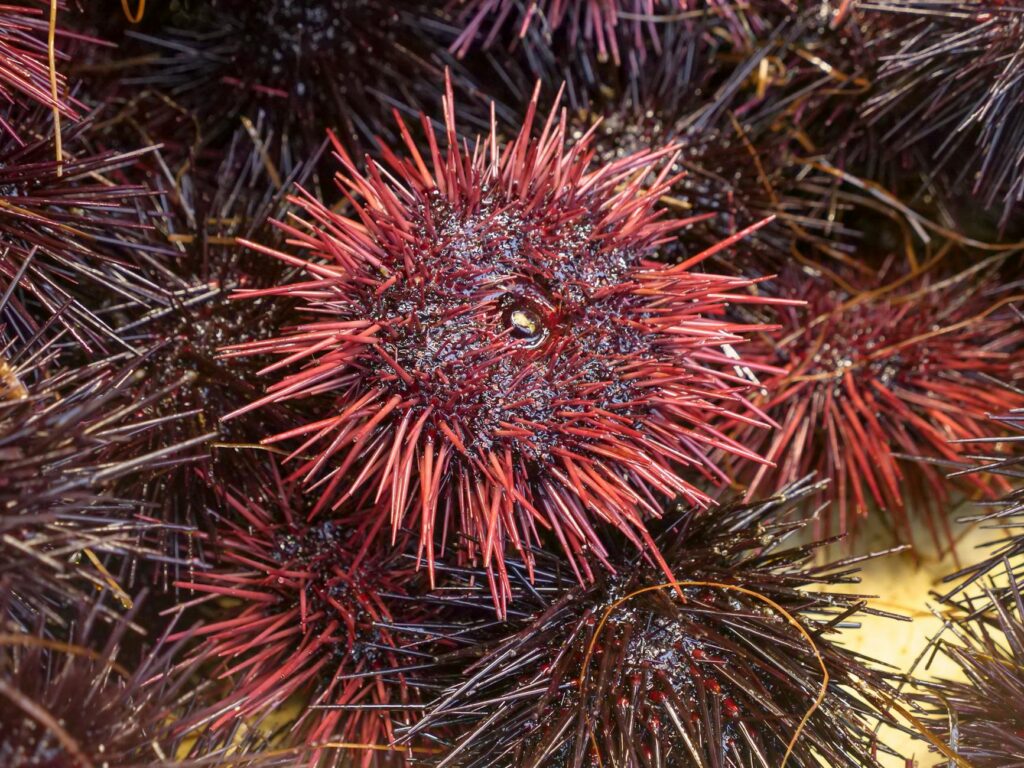
Sea Urchin Cultivation Explained
Introduction
Sea urchins, marine echinoderms of the class Echinoidea, are highly sought after for their unique flavor and texture. Their roe, often referred to as “uni” in culinary contexts, is considered a delicacy in various cuisines around the world, particularly in Japan, where it is a staple in sushi and sashimi. As the demand for this gourmet ingredient grows, understanding the cultivation of sea urchins becomes increasingly important. This comprehensive guide explores the intricacies of sea urchin cultivation, from historical context to modern practices, ensuring a thorough understanding of this intriguing marine organism.
What Is Growing?
In the context of sea urchin cultivation, “growing” refers to the methods and practices employed to rear sea urchins in controlled environments. This includes techniques for spawning, rearing larvae, and maintaining optimal conditions for growth until the organisms reach market size. Cultivation can take place in both land-based aquaculture systems and in natural marine environments, utilizing various methods to ensure the health and sustainability of the sea urchins.
History and Origins
The history of sea urchin consumption dates back thousands of years. Archaeological evidence suggests that indigenous peoples in North America and Japan harvested sea urchins for their roe long before modern culinary practices emerged. In Japan, sea urchins have been celebrated in cuisine for centuries, with references found in ancient texts.
The rise of aquaculture began in the late 20th century as wild populations faced overfishing and environmental threats. Commercial farming initiatives sought to create sustainable options for supplying the growing global demand. The first successful sea urchin farming operations were established in Japan in the 1970s, focusing primarily on the green sea urchin (Strongylocentrotus droebachiensis) and the purple sea urchin (Strongylocentrotus purpuratus). Since then, various countries, including the United States, Canada, and some European nations, have developed their own aquaculture practices, each adapting to local environmental conditions and consumer preferences.
Production and Processing
Cultivation Methods
Sea urchin cultivation typically involves two main methods: land-based aquaculture systems and open-water farming.
1. Land-Based Systems: These systems provide a controlled environment where water quality, temperature, and food supply can be monitored closely. Tanks or raceways filled with seawater are utilized, often incorporating filtration and aeration systems. Sea urchins are fed a diet of algae, which can include species such as kelp and other macroalgae.
2. Open-Water Farming: This approach involves placing sea urchins in natural marine environments, often using suspended cages or bottom culture techniques. While open-water farming can harness natural food sources, it presents challenges regarding water quality, predation, and environmental variability.
Spawning and Larval Rearing
The cultivation process begins with spawning, which can be induced by manipulating environmental conditions such as temperature and light. Once fertilized, sea urchin eggs develop into larvae within a few days. These larvae are planktonic and require specific conditions to thrive, including appropriate water flow and food availability. After several weeks, the larvae settle onto the substrate and metamorphose into juvenile urchins.
Juveniles are often transferred to grow-out systems, where they continue to develop until they reach market size, typically between 3 to 5 inches in diameter. The entire cultivation cycle can take anywhere from 12 to 24 months, depending on species and environmental conditions.
Quality and Grading
Quality control is essential in sea urchin cultivation, as the flavor and texture of the roe are paramount to consumer satisfaction. Factors influencing quality include:
- Species: Different species of sea urchins produce roe with varying flavors and textures. For example, the Japanese purple sea urchin is renowned for its creamy, rich roe, while the green sea urchin has a slightly more briny taste.
- Harvest Timing: The timing of harvesting is critical. Urchins should be collected when their roe is fully developed, usually in the late summer to early fall.
- Environmental Conditions: Water quality, temperature, and food availability significantly impact the health and quality of the sea urchins. Optimal conditions lead to healthier urchins, which in turn produce superior roe.
- Source: Understanding whether the sea urchins are wild-caught or farmed is crucial. Sustainably farmed sea urchins are generally preferred for environmental reasons.
- Freshness: Freshness is key to quality. Look for sea urchins that are still alive, as they should have a hard shell and a vibrant color. If buying roe, consider purchasing from reputable suppliers who can guarantee freshness.
- Species: Different species offer varying flavors and textures. Familiarizing oneself with the characteristics of each can enhance culinary experiences.
- Sustainability Practices: Opt for suppliers who practice responsible aquaculture or adhere to sustainable harvesting methods to support environmental conservation.
- Sushi and Sashimi: Uni is a common ingredient in sushi, often served on rice or as a topping for nigiri.
- Pasta Dishes: Sea urchin roe can be used to create rich, savory sauces for pasta, adding depth of flavor
Grading typically involves assessing the size, color, and texture of the roe. Higher grades, often referred to as “sushi-grade,” are characterized by vibrant color and firm texture, making them more desirable in high-end culinary applications.
Buying Considerations
When purchasing sea urchins, several factors should be taken into account:
Uses and Applications
Sea urchin roe is a versatile ingredient in the culinary world. Its unique flavor profile and creamy texture lend themselves to various applications, including: