
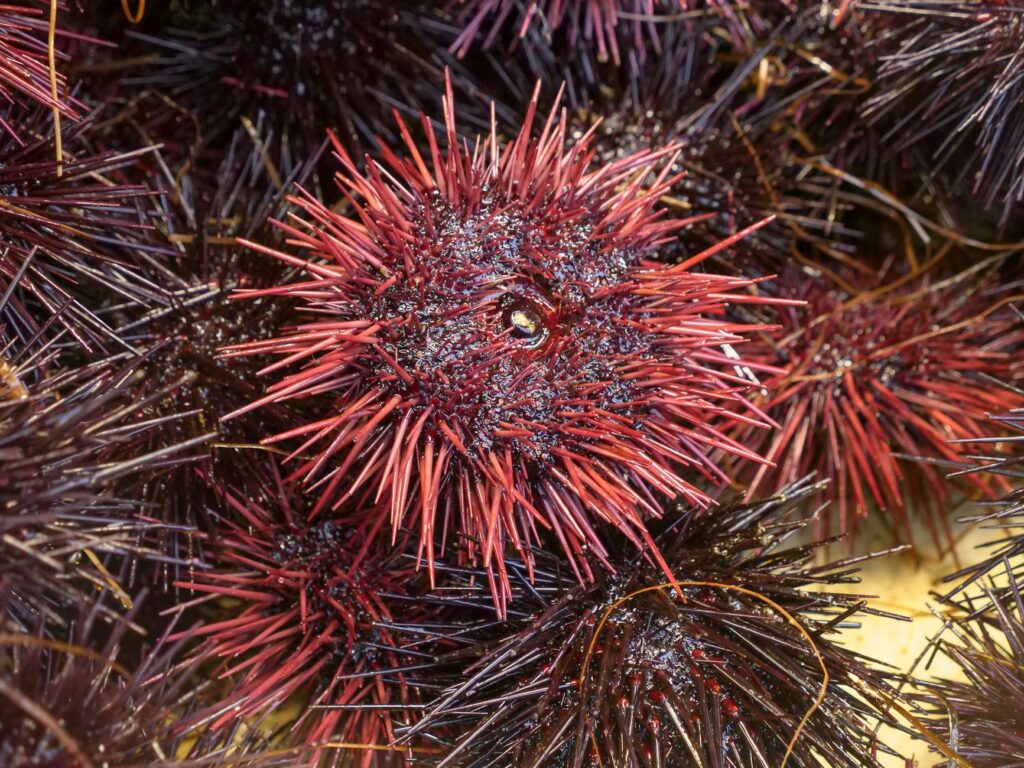
Sea Urchin Grading Explained
Introduction
Sea urchin, a delicacy prized for its unique flavor and creamy texture, has captivated the palates of gourmets around the world. Known as “uni” in Japanese cuisine, this marine invertebrate presents a complex landscape for buyers, particularly when it comes to understanding grading and quality. This article delves into the nuances of purchasing sea urchin, exploring its history, production, grading standards, and much more.
What Is Buying?
In the context of culinary ingredients, “buying” refers to the process of sourcing and selecting food items, focusing on quality, freshness, and suitability for culinary application. For sea urchin, this means understanding its harvesting methods, seasonal availability, and grading systems that impact its market value. Buyers, whether chefs or consumers, should be well-informed to make choices that align with their culinary needs and ethical considerations.
History and Origins
Sea urchins have been part of the human diet for centuries, particularly in coastal regions of Japan, where they are celebrated as a delicacy. Historical accounts suggest that they were consumed by the indigenous peoples of North America long before European contact. The Japanese have elevated sea urchin to a culinary art, incorporating it into sushi and sashimi, while also producing various uni-based dishes. Today, sea urchin harvesting has expanded globally, with significant production in countries such as the United States, Canada, and parts of Europe.
Production and Processing
The production of sea urchin primarily occurs through wild harvesting, though aquaculture is becoming increasingly common. Wild harvesting involves divers hand-picking sea urchins from ocean floors, a method that ensures minimal environmental impact when done sustainably. Responsible harvesting techniques are crucial, as overfishing can threaten local ecosystems.
Once harvested, sea urchins are processed to extract the gonads, which are the edible parts known as uni. The processing involves careful handling to maintain freshness, often requiring immediate refrigeration. After extraction, the uni can be packaged for distribution, either as fresh, frozen, or pasteurized products.
Quality and Grading
The grading of sea urchin is pivotal to understanding its market value and culinary applications. Quality is determined by several factors, including color, texture, flavor, and overall appearance. Here are the common grading standards used in the industry:
Color and Appearance
1. Grade A (Premium): Bright yellow or orange color, firm texture, and a smooth surface. This grade is sought after for its rich flavor and visual appeal.
2. Grade B (Standard): Slightly duller in color, may have minor imperfections. While still delicious, it lacks the visual allure of Grade A.
3. Grade C (Lower Quality): Off-color, often brownish or pale, with a mushy texture. This grade is typically less desirable and may be used in cooked applications rather than served raw.
Texture and Flavor
The texture of uni is a crucial indicator of quality. Premium grades should feel creamy and smooth when tasted, while lower grades may be grainy or overly watery. The flavor should be rich, briny, and slightly sweet—any hint of bitterness can indicate spoilage or lower quality.
Sourcing and Certification
Another aspect of grading involves sourcing. Wild-caught sea urchins that are harvested sustainably tend to command higher prices and are often labeled accordingly. Certifications, such as those from the Marine Stewardship Council (MSC), can also provide assurance of ethical sourcing practices.
Buying Considerations
When purchasing sea urchin, several factors should be taken into account:
1. Sourcing: Always inquire about the origin of the sea urchin. Sustainable, local sources are preferable, as they ensure freshness and ethical practices.
2. Seasonality: Sea urchins are typically harvested during specific seasons. Knowing when they are at their peak can greatly enhance the quality of the product you purchase.
3. Packaging: Fresh uni should be sold in refrigerated containers. Look for packaging that minimizes air exposure, as oxygen can degrade quality.
4. Handling: If buying fresh uni, ensure that it has been handled properly. Poor handling can lead to spoilage, diminishing its quality and flavor.
5. Taste Testing: If possible, sample different grades to determine personal preferences. This can also help in understanding how different grades perform in various culinary applications.
Uses and Applications
Sea urchin is versatile and can be used in various culinary settings. Its creamy texture and umami-rich flavor make it an ideal ingredient in dishes like sushi, pasta, and risotto. Some chefs even incorporate uni into sauces, dressings, or custards for an added depth of flavor.
In fine dining, uni is often served raw, allowing diners to experience its full flavor profile. It can also be paired with other ingredients such as citrus, sea salt, or even a hint of spice to enhance its natural taste.
Storage and Shelf Life
Proper storage is crucial for maintaining the quality of sea urchin. Fresh uni should be kept in a refrigerator at temperatures below 40°F (4°C) and consumed within 24-48 hours for optimal freshness. If frozen, uni can last for several months, but its texture and flavor may be affected upon thawing.
Signs of Spoilage
As a perishable product, sea urchin can spoil quickly. Signs of spoilage include:
- Off or sour odors
- Discoloration (brown or dull colors)
- A slimy or mushy texture
If any of these signs are present, it’s best to discard the uni to avoid potential health risks.
Common Misconceptions
1. All Sea Urchins Are Edible
Not all species of sea urchins are palatable. Only certain types are harvested for consumption, particularly those that produce high