
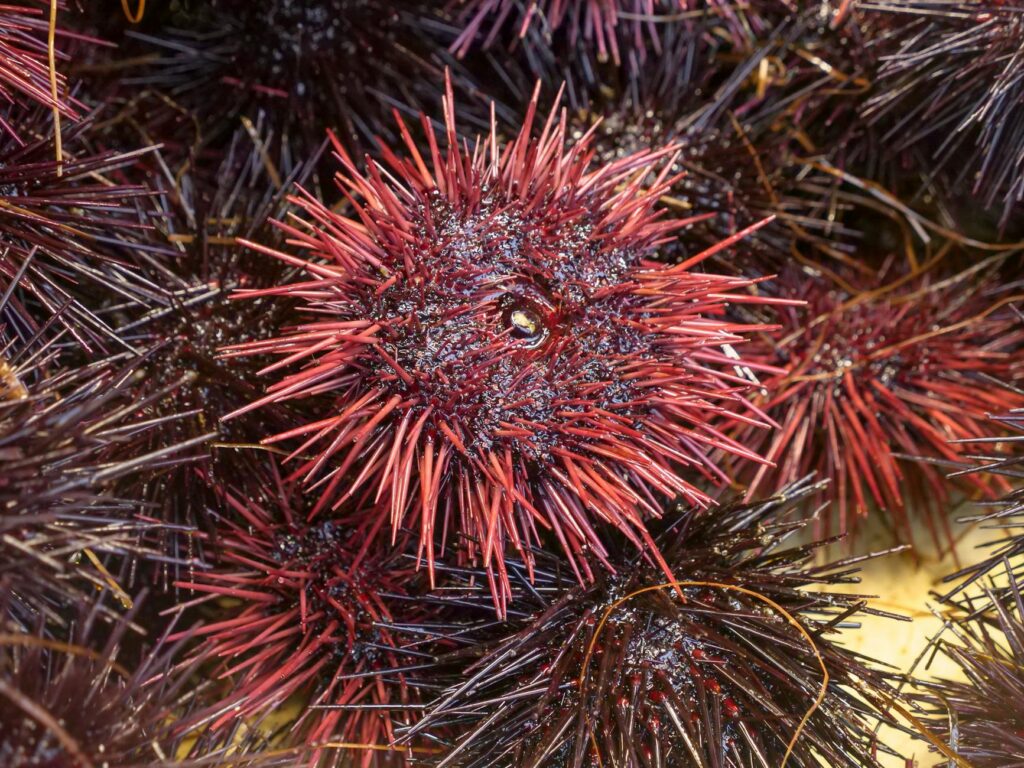
Sea Urchin Growing Guide Part 6
Introduction
The sea urchin, a spiny echinoderm found in oceans worldwide, has garnered considerable attention in culinary circles for its unique flavor and texture. However, the journey from sea to table involves a complex process of growing, harvesting, and processing. This guide delves into the essential aspects of growing sea urchins, encompassing their history, production methods, quality assessment, and more. By understanding these elements, enthusiasts and professionals alike can appreciate the intricacies involved in cultivating this marine delicacy.
What Is Growing?
In the context of sea urchins, “growing” refers to the cultivation of these organisms in controlled environments or open water farms. This process involves understanding their biological needs and environmental conditions to optimize their growth and yield. Various methods are employed, including aquaculture techniques that ensure sustainable practices while meeting market demands.
Sea urchins thrive in specific conditions, requiring clean seawater, appropriate temperature ranges, and sufficient food sources, primarily algae. The cultivation process typically begins with the collection of wild broodstock, which are then spawned under controlled conditions to produce larvae. These larvae are nurtured through various stages until they reach a commercially viable size.
History and Origins
The history of sea urchin cultivation is relatively recent, with significant advancements occurring in the late 20th century. While sea urchins have been harvested in Japan and other coastal regions for centuries, the formal practice of aquaculture began to take shape in the 1960s. Japan became a pioneer in sea urchin farming, driven by the high demand for uni—sea urchin roe—while also addressing the decline in wild populations due to overfishing.
As the culinary world expanded and globalized, interest in sea urchins grew, leading to the establishment of farming operations in various countries, including the United States, Canada, and some European nations. These advancements have allowed for year-round production, ensuring a consistent supply to meet global demand.
Production and Processing
Cultivation Techniques
The production of sea urchins can be categorized into two main methods: open water farming and land-based systems.
1. Open Water Farming: This method involves placing sea urchin cages or nets in coastal waters where natural conditions are optimal. Farmers monitor water quality, temperature, and food availability to ensure healthy growth.
2. Land-Based Systems: These systems utilize recirculating aquaculture technology to maintain ideal conditions. They provide better control over environmental factors and allow for easier management of biosecurity.
Harvesting
Harvesting sea urchins is a delicate process. Farmers typically wait until the urchins reach a size that is considered commercially viable, which can vary based on market preferences. Once harvested, they are usually processed quickly to preserve freshness. The roe, which is the primary edible part of the sea urchin, is carefully extracted and graded based on size, color, and texture.
Processing
Post-harvest, sea urchins undergo several processing stages to ensure quality and safety. This includes:
- Cleaning: Removing debris and impurities to maintain hygiene.
- Grading: Sorting based on quality parameters such as color, firmness, and flavor profile.
- Packaging: Using appropriate materials that preserve freshness and prevent contamination.
- Color: High-quality roe typically exhibits a vibrant hue, ranging from bright yellow to deep orange, depending on the species and diet.
- Texture: Fresh roe should feel creamy and smooth, without any graininess.
- Flavor: Premium sea urchin is known for its rich, umami flavor, often described as briny or oceanic.
- Pasta: Sea urchin roe can be incorporated into pasta sauces, lending a rich, briny flavor.
- Soups and Broths: The delicate flavor of sea urchin enhances seafood-based soups.
- Garnishes: Chefs use sea urchin roe as a luxurious garnish for various dishes, adding both visual appeal and flavor.
Quality and Grading
Quality control is crucial in the sea urchin industry, as the appeal of this ingredient heavily relies on its sensory attributes. Key factors influencing quality include:
Grading standards vary by region, but most producers follow similar guidelines, categorizing sea urchins into grades such as premium, standard, and economy based on the above criteria. This grading system helps buyers make informed decisions and ensures that consumers receive products that meet their expectations.
Buying Considerations
When purchasing sea urchins, whether fresh or processed, several factors should be taken into account:
1. Source: Always seek out reputable suppliers who follow sustainable farming practices. This not only supports the ecosystem but also enhances the quality of the product.
2. Freshness: Fresh sea urchins should be sold with minimal time between harvest and sale. Look for suppliers that can verify the harvest date.
3. Species: Different species of sea urchins possess varying flavor profiles and textures. Familiarize yourself with the species available in your region to make informed choices.
4. Packaging: Ensure that the packaging is intact and that products are stored at appropriate temperatures to prevent spoilage.
5. Seasonality: Sea urchins are often subject to seasonal variations in availability and quality. Be aware of peak seasons in your region for the freshest products.
Uses and Applications
Sea urchins are celebrated in various culinary applications, particularly in high-end dining establishments. They are typically enjoyed raw, often served as sushi or sashimi, allowing the natural flavor to shine. In addition to traditional preparations, sea urchins are increasingly being used in innovative dishes, such as:
The versatility of sea urchins makes them an intriguing ingredient in both traditional and modern cuisines.