
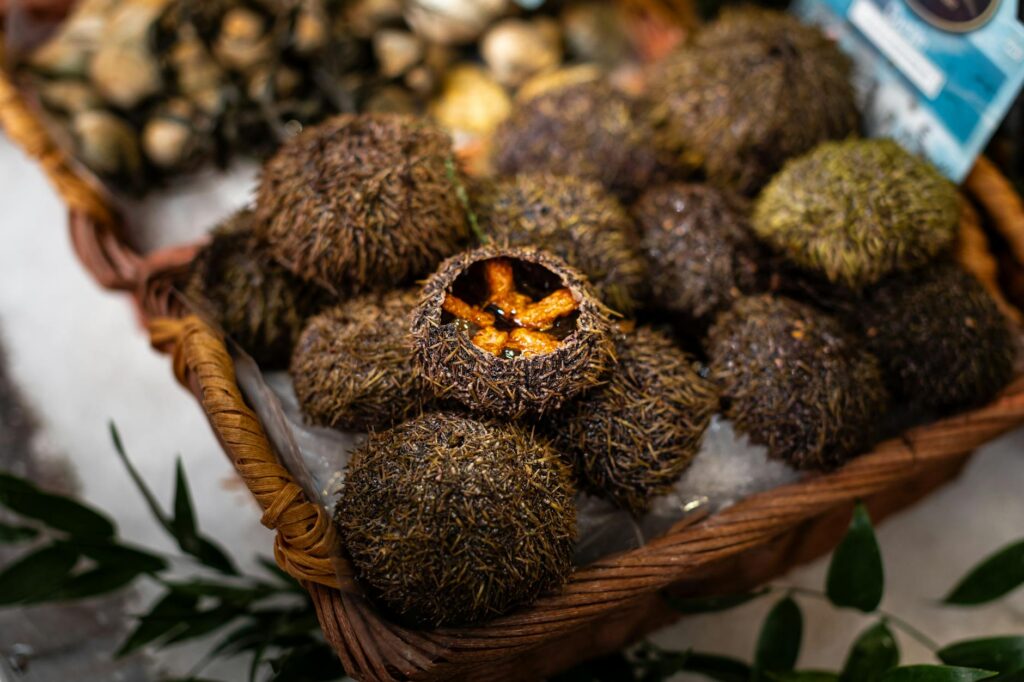
Sea Urchin Growing Guide Part 7
Introduction
The sea urchin, often hailed as a delicacy in various culinary traditions, particularly in Japanese cuisine, has garnered attention not only for its unique flavor but also for its complex growth patterns and ecological significance. This guide delves into the intricacies of growing sea urchins, examining their lifecycle, production practices, quality assessment, and more. Whether you’re a seasoned aquaculturist or a culinary enthusiast, understanding the nuances of sea urchin cultivation can enhance your appreciation for this marine ingredient.
What Is Growing?
In the context of aquaculture, “growing” refers to the cultivation of marine organisms in controlled environments. For sea urchins, this process involves nurturing them from larval stages to mature adults, ensuring optimal conditions for growth and development. This includes managing factors such as water quality, temperature, feeding, and habitat conditions. The goal is to produce high-quality sea urchins that meet market demands while maintaining sustainable practices.
History and Origins
The history of sea urchin cultivation is relatively recent, with wild harvesting dominating the industry for centuries. Indigenous peoples in coastal regions have consumed sea urchins for millennia, recognizing their nutritional value and unique taste. The modern aquaculture industry began to take shape in the 1970s, particularly in Japan, where the demand for sea urchin, or “uni,” surged.
Over the years, various countries have adopted sea urchin farming methods, including the United States, Canada, and parts of Europe. The cultivation practices have evolved significantly, with research leading to more efficient breeding and farming techniques, which have become imperative for meeting the growing global demand for this delicacy.
Production and Processing
Cultivation Techniques
Sea urchins are typically cultivated in two main environments: land-based systems and ocean-based farms.
1. Land-Based Systems: These involve the use of tanks where water quality can be meticulously controlled. Land-based systems allow for the monitoring of temperature, salinity, and nutrient levels, which are crucial for the growth of sea urchins. This method can yield faster growth rates, but it requires significant investment in infrastructure and ongoing management.
2. Ocean-Based Farms: These farms are situated in coastal waters where sea urchins can thrive in their natural habitat. Ocean-based farming relies on the natural flow of nutrients and water, but it can be subject to environmental fluctuations, which may affect growth rates and overall health.
Feeding
Sea urchins are herbivorous, primarily consuming algae and other plant materials. In aquaculture settings, they are often fed a diet of macroalgae, which can be supplemented with formulated feeds to ensure they receive all necessary nutrients. The quality and variety of feed can significantly impact their growth and flavor profile.
Harvesting
Harvesting sea urchins involves carefully collecting them from their growing environments while minimizing stress and damage. In ocean-based farms, divers typically gather the urchins by hand, ensuring that only mature specimens are selected. In land-based systems, harvesting can be more controlled, often utilizing automated systems to streamline the process.
Quality and Grading
The quality of sea urchins is determined by several factors, including size, color, texture, and flavor. Grading is essential for marketability and involves assessing these characteristics post-harvest.
Size and Weight
Sea urchins are generally graded by size, with larger individuals usually fetching higher prices. The most sought-after sizes range between 100 to 200 grams.
Color
The gonads, which are the edible parts of the sea urchin, vary in color from bright yellow to deep orange, with the color often indicating maturity and flavor profile. Consumers typically prefer vibrant colors, which are associated with freshness and quality.
Texture and Flavor
The texture should be creamy and smooth, while the flavor profile can range from mildly sweet to briny, depending on the species and growing conditions. Quality assessments often involve sensory evaluations by trained panels or chefs who can discern subtle differences in flavor.
Buying Considerations
When purchasing sea urchins, it is essential to consider several factors to ensure quality and sustainability:
1. Source: Always inquire about the source of the sea urchins; wild harvesting can lead to overfishing, while sustainably farmed options are preferable.
2. Freshness: Fresh sea urchins should have a clean, ocean-like smell. Any off-putting odors may indicate spoilage.
3. Appearance: Look for intact shells that are heavy for their size, indicating a healthy interior. The gonads should appear plump and vibrant.
4. Sustainability Certification: Consider purchasing from suppliers who have sustainability certifications, ensuring that their farming practices do not harm marine ecosystems.
Uses and Applications
Sea urchins are primarily known for their culinary applications, particularly in sushi and sashimi. Their unique flavor allows them to be used in various dishes, from pasta to risottos and even desserts.
Culinary Uses
- Sushi and Sashimi: Sea urchin is often served raw, either as a topping for sushi or as sashimi, allowing the delicate flavor to shine.
- Pasta Dishes: The creamy texture of sea urchin can enhance the richness of pasta sauces, providing umami depth.
- Garnishes: Chefs may use sea urchin as a luxurious garnish for seafood dishes, enhancing visual appeal and flavor complexity.
Non-Culinary Applications
Beyond culinary usages, sea urchin shells are sometimes utilized in art and craft projects due to their unique shapes and textures. Additionally, research is ongoing into their potential applications in biotechnology and materials science, given their unique structural properties.
Storage and Shelf Life
Proper storage is crucial for maintaining the quality of sea urchins