
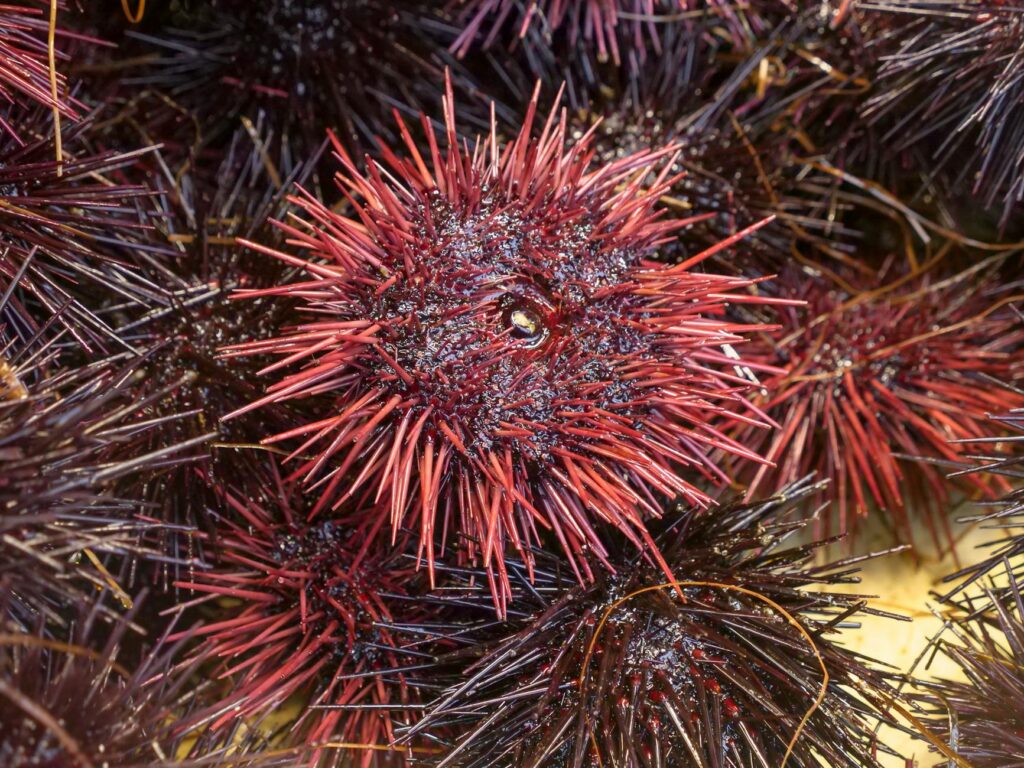
Sea Urchin in Traditional Cuisine
Introduction
Sea urchins, with their spiny exteriors and delicate, flavorful insides, have captured the attention of chefs and food enthusiasts around the globe. Often regarded as a delicacy, particularly in coastal regions, sea urchins are celebrated for their unique taste and textural qualities. This article delves into the traditional culinary uses of sea urchin, exploring its historical significance, production methods, and applications in various cuisines.
What Is Uses?
The term “uses” in the context of food ingredients refers to the various ways in which an ingredient can be incorporated into culinary practices. This encompasses not only the methods of preparation and cooking but also the traditional dishes and cultural significance associated with the ingredient. In the case of sea urchin, its uses range from raw applications in sushi and sashimi to cooked dishes, highlighting its versatility and importance in gastronomy.
History and Origins
Sea urchins have been consumed for centuries, with historical records tracing their use back to ancient civilizations. In Japan, for instance, sea urchin, known as “uni,” has been part of the culinary landscape for over a thousand years. It is believed that the Japanese began harvesting sea urchins for their roe during the Edo period (1603-1868), where it became a prized ingredient in sushi and sashimi.
In Mediterranean cultures, especially in regions like Italy and Spain, sea urchins have also held a significant place in traditional cuisine. The coastal communities have long relied on sea urchins as a source of nutrition, often incorporating them into pasta dishes, soups, and seafood platters. The enduring popularity of sea urchins in these regions speaks to their historical and cultural importance.
Production and Processing
The production of sea urchins is generally conducted through both wild harvesting and aquaculture. Wild sea urchins are collected from rocky seabeds where they thrive in coastal waters. Sustainable harvesting practices are crucial, as overfishing can significantly impact marine ecosystems.
Aquaculture has emerged as a viable alternative, allowing for controlled breeding and harvesting of sea urchins. This method can help meet the growing demand while minimizing environmental impacts. Processing typically involves cleaning the urchins, extracting the roe, and packaging it for sale. Freshness is paramount, as the quality of the roe diminishes rapidly after harvesting.
Quality and Grading
The quality of sea urchin roe is determined by several factors, including color, texture, flavor, and size. The grading system varies depending on the region and market, but generally, high-quality roe is characterized by a bright color, creamy texture, and rich, briny flavor.
In Japan, for example, sea urchin is graded primarily by color and size, with the most sought-after varieties being a vibrant yellow or orange hue. The best quality sea urchins are often labeled “premium,” while lower grades may exhibit a duller color or less favorable flavor profile. Consumers should always consider these factors when selecting sea urchins, as the quality will directly influence the culinary experience.
Buying Considerations
When purchasing sea urchin, several factors should be taken into account to ensure freshness and quality. Here are some essential considerations:
1. Source: Opt for sea urchins from reputable suppliers who follow sustainable harvesting practices. This not only ensures quality but also supports responsible fishing.
2. Freshness: Fresh sea urchin roe should have a mild oceanic scent and a firm texture. Avoid any that emit a strong fishy odor, as this indicates spoilage.
3. Appearance: Quality roe is typically bright in color and free from blemishes. Inspect the packaging for any signs of leakage or damage.
4. Seasonality: Sea urchins are often seasonal, with availability varying by region. Familiarizing oneself with peak seasons can enhance the chances of acquiring the best product.
5. Preparation: Some markets offer whole sea urchins, while others sell pre-extracted roe. For those unfamiliar with cleaning and preparing sea urchins, pre-extracted roe may be the more convenient choice.
Uses and Applications
Sea urchin is a versatile ingredient that can be used in various culinary applications across different cultures. Here are some of the most notable uses:
Sushi and Sashimi
In Japanese cuisine, sea urchin is perhaps best known as “uni” and is a staple in sushi and sashimi dishes. The rich, creamy texture of the roe pairs exceptionally well with vinegared rice, making it a favorite among sushi enthusiasts. It is often served simply, allowing the natural flavors to shine, sometimes accompanied by a touch of wasabi or soy sauce.
Pasta Dishes
In Mediterranean cooking, particularly in Italian cuisine, sea urchin is utilized in various pasta dishes. The roe can be incorporated into sauces, providing a unique umami flavor that enhances the overall dish. Sea urchin pasta, often prepared with garlic, olive oil, and chili, showcases the ingredient’s ability to elevate simple recipes.
Soups and Broths
Sea urchin is also a favored addition to soups and broths, where it imparts a briny depth. In many coastal regions, chefs incorporate sea urchin into seafood stews or bisques, enriching the broth with its distinct flavor. The addition of sea urchin can transform a simple dish into a luxurious experience.
Garnishes and Accompaniments
Beyond main dishes, sea urchin serves as an exquisite garnish for various seafood dishes. Chefs often use it to elevate presentations, pairing it with oysters, scallops, or other shellfish. The vibrant color and unique flavor profile make it an attractive addition to seafood platters.
Storage and Shelf Life
Proper storage is critical to maintaining the freshness and quality of sea urchin. Fresh