
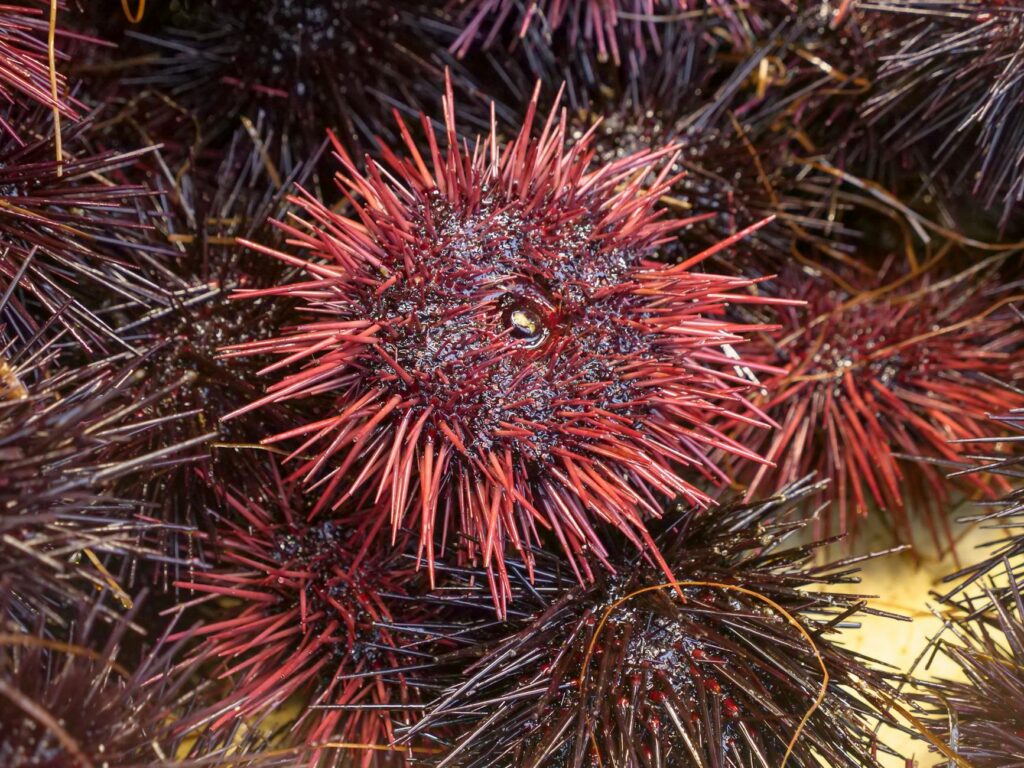
Sea Urchin Myths and Misconceptions
Introduction
Sea urchins, often regarded as a delicacy in various culinary traditions, have garnered a reputation that is both intriguing and misunderstood. While their unique flavor profile and culinary applications have made them a sought-after ingredient, numerous myths and misconceptions surround them. This article aims to demystify sea urchins, providing a comprehensive guide to their history, production, quality, and more, while addressing common misunderstandings.
What Is Guides?
In the context of food ingredients, “guides” refer to comprehensive resources that provide detailed information about a specific ingredient, including its history, uses, and best practices for selection and storage. For sea urchins, these guides serve as essential tools for chefs, food enthusiasts, and consumers seeking to understand the complexities of this unique marine product.
History and Origins
Sea urchins belong to the class Echinoidea and have existed for over 450 million years, making them one of the oldest marine creatures. They inhabit ocean floors worldwide, from shallow coastal waters to deep-sea environments. Historically, sea urchins have been consumed by coastal communities for centuries, particularly in regions like Japan, where they are known as “uni.” In Japanese cuisine, uni is celebrated for its creamy texture and umami flavor, often served raw in sushi or sashimi.
The consumption of sea urchins is not limited to Japan; they have also been enjoyed in Mediterranean countries, where various species are harvested and utilized in traditional dishes. As global cuisines have evolved, so too has the appreciation for sea urchins, leading to a surge in their popularity in fine dining establishments around the world.
Production and Processing
Sea urchin harvesting is a specialized activity that requires knowledge of the species and respect for sustainable practices. The primary species harvested for culinary use include the red sea urchin (Mesocentrotus franciscanus), the purple sea urchin (Strongylocentrotus purpuratus), and the black sea urchin (Strongylocentrotus droebachiensis).
Harvesting methods vary by region, with divers often collecting them by hand to minimize damage to the marine ecosystem. This method not only ensures the quality of the urchins but also promotes sustainability by allowing for selective harvesting. After collection, sea urchins are processed to extract the gonads, or roe, which is the edible part.
Processing involves carefully opening the shell, removing the gonads, and rinsing them to enhance flavor and texture. The quality of the roe can be influenced by factors such as the sea urchin’s diet and the time of year, making the timing of the harvest crucial.
Quality and Grading
The quality of sea urchin roe is graded based on several factors, including color, texture, and flavor. Freshness is paramount; high-quality sea urchin should have a vibrant color, often ranging from bright orange to deep yellow, and a creamy texture that melts in the mouth. Grading systems may vary by region, but generally, higher grades signify superior taste and appearance.
In some markets, sea urchins are categorized as “grade A,” “grade B,” or “grade C,” with grade A representing the finest quality. Factors affecting grading include the size of the roe, the uniformity of color, and the absence of any off-flavors or textures. Consumers should seek out reputable suppliers who adhere to quality standards to ensure the best possible experience.
Buying Considerations
When purchasing sea urchins, several considerations can guide consumers in selecting the best product. Freshness is the most critical factor; ideally, sea urchins should be consumed soon after harvest. Look for suppliers who provide information on when the urchins were harvested and how they have been handled.
Inspect the appearance of the sea urchins—fresh specimens should have intact shells without cracks or discoloration. If purchasing pre-packaged roe, pay attention to the packaging date and ensure it is stored under proper refrigeration. Additionally, consider the source; sustainably harvested sea urchins are preferable, as they contribute to the health of marine ecosystems.
Uses and Applications
Sea urchin roe, or uni, is celebrated for its versatility in various culinary applications. In addition to being served raw in sushi and sashimi, uni can be incorporated into pasta dishes, risottos, and sauces, where its rich umami flavor can enhance other ingredients. It is often used in gourmet cuisine as a topping for canapés or blended into dressings for seafood salads.
In addition to culinary applications, sea urchin shells can be used as a unique garnish or serving vessel, adding an aesthetic element to presentations. The delicate flavor of uni pairs well with a range of ingredients, making it a valuable component in modern gastronomy.
Storage and Shelf Life
Proper storage of sea urchins is essential to maintain their quality and flavor. Whole sea urchins should be kept in a cool, dry place, ideally in a refrigerator, and consumed within a few days of harvest. If the roe has been extracted, it should be stored in an airtight container and refrigerated. Typically, fresh sea urchin roe can last for up to three days when stored properly, although it is best enjoyed as fresh as possible.
Freezing is an option for extending shelf life, although it may alter the texture of the roe. If freezing is necessary, ensure that the roe is well-sealed to prevent freezer burn. When thawing, do so gradually in the refrigerator to preserve flavor and texture.
Common Misconceptions
Myth 1: Sea Urchins Are Poisonous
One of the most pervasive myths is that sea urchins are poisonous. While some species possess spines that can deliver a painful sting, the roe itself is safe to eat when harvested and prepared properly. It is